
Nigeria Unveils 90-Day Cost-of-Living Plan, Pushes to Expand Gas Supply
Nigeria’s National Economic Council has endorsed a 90-day plan to ease living costs, while President Bola Tinubu is backing efforts to unlock the full capacity of a major gas pipeline in a push to improve energy supply, support industry and expand economic opportunities
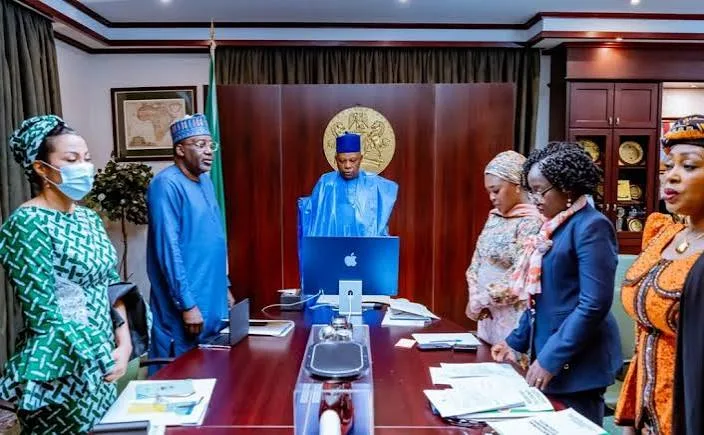
Nigeria’s National Economic Council (NEC) has endorsed a 90-day economic action plan aimed at reducing the cost of living and improving food affordability, as President Bola Tinubu pushes to unlock the full capacity of the Escravos–Lagos gas pipeline to strengthen supplies to power plants and industries.
The two developments, announced on October 22, reflect parallel efforts by the federal government to address immediate pressure on households and expand infrastructure that could support longer-term economic activity. The NEC plan focuses on food prices, tax harmonisation, investment and household support, while the gas initiative centres on completing two compressor stations needed to enable the pipeline to transport up to 2.3 billion standard cubic feet of gas daily.
The 90-day plan was presented by the Minister of Finance and Coordinating Minister of the Economy, Taiwo Oyedele, at the council’s 161st meeting, chaired virtually by Vice-President Kashim Shettima. According to a statement from the Vice-President’s office, the council endorsed the proposal as part of efforts to translate the administration’s economic reforms into tangible improvements in people’s living conditions.
Its five priority areas are food affordability, tax harmonization, the completion of high-impact projects, the removal of obstacles to investment and regulated household support. However, the announcement did not provide a detailed implementation timetable for individual measures, specify the amount of funding committed or explain precisely how the proposed household support would be delivered.
The council also approved a national dashboard to monitor projects across the country, with particular attention to transparency, accountability and the use of funds saved following the removal of the petrol subsidy. The tracking system is intended to give federal and state authorities a clearer picture of ongoing projects and how public resources are being used.
Shettima urged governors and relevant institutions to ensure that the benefits expected from the government’s reforms translate into more affordable transport, accessible healthcare, employment opportunities and greater financial security. Oyedele, meanwhile, identified bringing headline inflation and interest rates down to single-digit levels by 2027 as key policy objectives. These remain targets rather than guaranteed outcomes, and the 90-day plan’s impact will depend on how its measures are implemented.
Transportation was another major part of the council’s deliberations. Following a presentation on the National Affordable Compressed Natural Gas (CNG) Transit Programme, NEC resolved to establish a joint financing framework between federal and state governments to accelerate the deployment of CNG-powered and electric vehicles.
The council said the initiative should reduce what commuters pay for transport, rather than be judged mainly by the number of alternative-energy vehicles introduced. It also called for engagement with transport unions and operators to ensure that any savings from cheaper fuels and vehicle operating costs are passed on to passengers through lower fares. A committee is expected to coordinate the financing proposal and work with stakeholders on its implementation.
On the energy front, Tinubu said the indigenous engineering company Lee Engineering had built two midline compressor stations in Edo State for the Escravos–Lagos Pipeline System. The president’s office said the stations are needed to raise operating pressure and allow the pipeline to reach its designed capacity of 2.3 billion standard cubic feet per day, up from 1.1 billion before the ELPS II expansion.
Receiving Lee Engineering founder and chairman Leemon Ikpea at the State House in Abuja, Tinubu reaffirmed his administration’s commitment to expanding the use of Nigerian engineering and manufacturing firms in major energy projects. He urged international oil companies operating in the country to give capable local companies greater opportunities to undertake complex contracts.
The government says the pipeline project is expected to strengthen gas deliveries to power plants and industries along its route, while potentially increasing supplies to neighbouring West African countries through the West African Gas Pipeline. The official announcement, however, did not specify when the compressor stations would be commissioned or when the pipeline would begin operating consistently at its full designed capacity.
The project forms part of a wider push to improve Nigeria’s use of its substantial natural gas resources. In a separate update published in October, the government said domestic gas supply had exceeded two billion cubic feet per day and outlined ambitions to increase production further. Yet additional production alone is not enough to guarantee reliable supplies to electricity generators and industrial users; processing, transportation infrastructure, commercial arrangements and consistent delivery also matter.
For households and businesses, the two announcements address different but connected pressures. The NEC plan seeks to improve affordability in the near term, while expanded gas transportation capacity could support electricity generation, industrial activity and regional energy trade over time. Their practical significance will ultimately be measured by implementation: whether food and transport become more affordable, public spending becomes easier to track, and additional gas reaches the users who need it.
More on Nigeria
Nigeria
Nigeria Heads to UNGA 81 With Shettima Leading High-Level Delegation
20 Sept 2026
Nigeria
Tinubu Ends Four-Week European Working Vacation, Returns to Nigeria
30 Sept 2026
Nigeria
Atiku Calls for Lower Fuel Prices as Cost-of-Living Pressure Mounts
21 Sept 2026
Nigeria
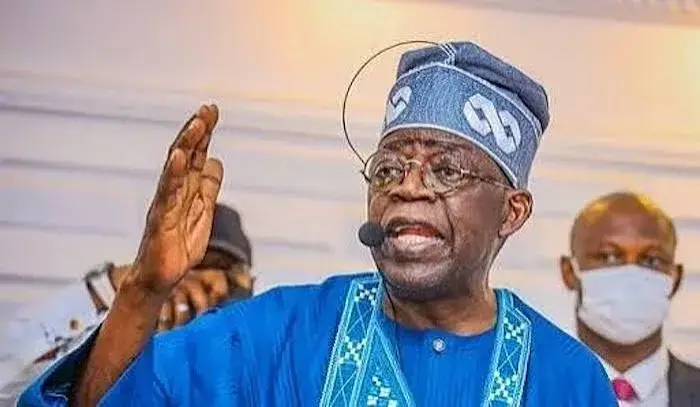
Tinubu Rules Out Petrol Subsidy Return, Says ‘Moses Can’t Go Back to Egypt’
20 Oct 2026
Nigeria
FG Reopens First Niger Bridge After 38 Days as Umahi Urges Tinubu Support
16 Oct 2026
Partner with Follow Global Trends
Display banners, sponsored stories and founder spotlights.
You may also like
Nigeria
IMF Warns Nigeria Against Restoring Petrol Subsidy
16 Oct 2026
Nigeria
Nigeria Targets 24-Hour Electricity for Major Commercial Corridors
1 Oct 2026
Nigeria
Tompolo Boosts Tinubu’s 2027 Campaign With 50 Vehicles in Kano
28 Sept 2026
Nigeria
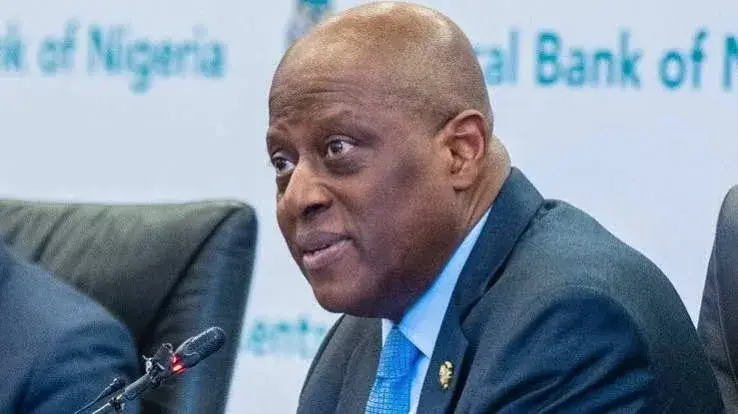
Nigeria Woos Investors With 65 Projects Requiring $78.5bn
17 Oct 2026
Nigeria
Tinubu Orders Major Lagos-Calabar Highway Route Change as Umahi Reveals New Plan
12 Oct 2026
Nigeria
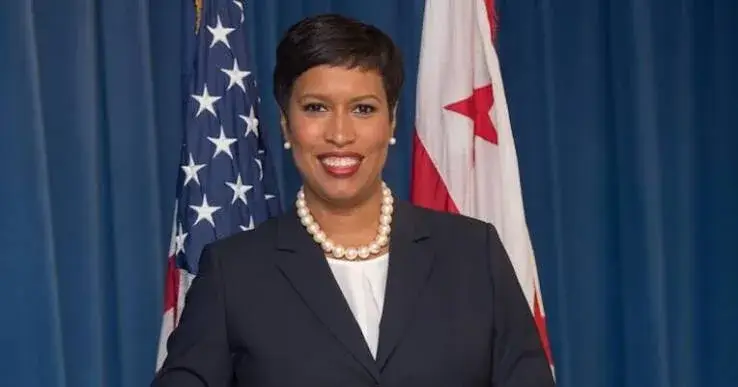
Washington DC Declares October Nigerian American Heritage Month, Marks Nigeria Day
4 Oct 2026