The Federal Government has officially approved the new Nigeria worker transport grant, providing a monthly allowance of ₦70,000 to public servants across all grade levels to ease severe transportation pressures. The emergency grant will run for an initial duration of six months, taking effect in November 2026.
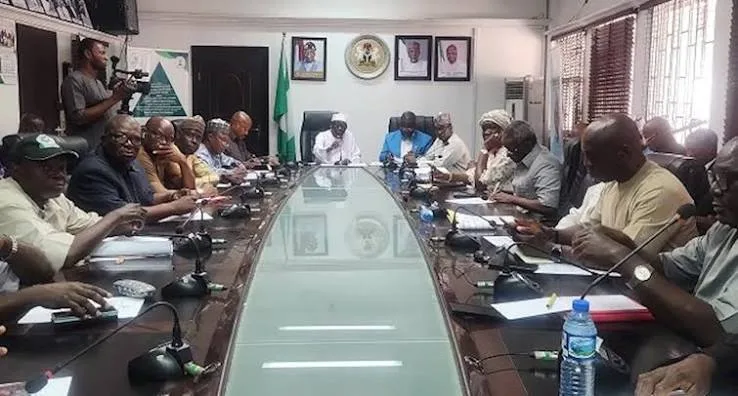
The breakthrough came late Tuesday during a conciliation meeting held at the Federal Ministry of Labour and Employment in Abuja, where government representatives met with the leadership of the Nigeria Labour Congress (NLC).
Under the signed Memorandum of Understanding (MoU), authorities also resolved to pay outstanding arrears of the peculiar allowance dating back to May 1, 2026, disbursed in three equal monthly installments beginning next month.
The agreement brings temporary relief following weeks of heightened friction between organized labour and state authorities over worker welfare.
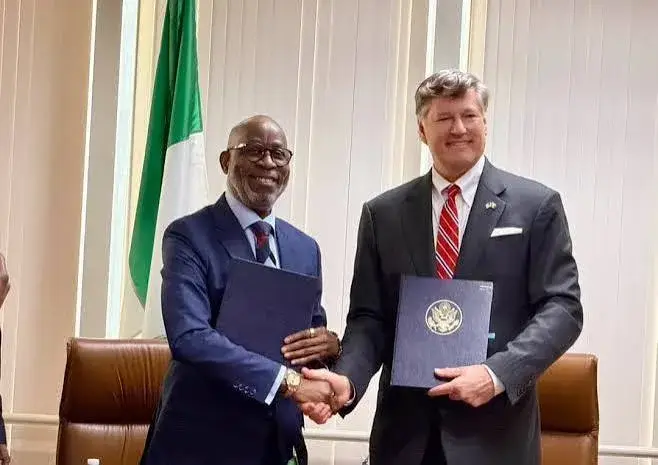
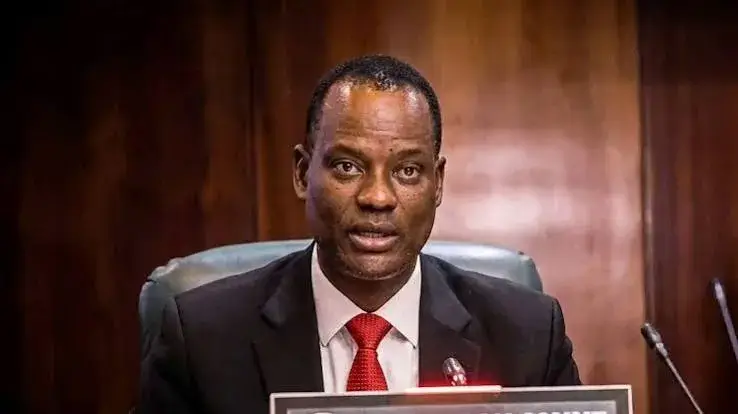
The formal resolution document was signed by Minister of Labour and Employment, Dr. Muhammad Maigari Dingyadi, alongside NLC President Joe Ajaero.
Other key signatories included the Director-General of the Budget Office of the Federation, Timi Yakubu, and the Permanent Secretary of the Service Welfare Office in the Office of the Head of the Civil Service of the Federation, Dr. Garba Abdul S.U.
Tuesday’s decisive session followed an inconclusive conciliation meeting held on October 22, where union leaders insisted on immediate, tangible cushions against rising urban transit fares.
The core of the agreement provides an immediate cash buffer for federal civil servants struggling with daily commuting costs. Every public sector employee, regardless of salary grade level, will receive the flat ₦70,000 transport stipend each month through April 2027.
In addition to the transport grant, workers are slated to receive their accumulated peculiar allowance arrears from May 2026. These arrears will be split evenly across November, December, and January pay cycles.
Union officials emphasized that the grant must be credited directly to worker accounts alongside regular monthly salaries to prevent administrative bottlenecks.
While both parties celebrated the transport intervention, key structural issues remain unresolved between the government and organized labour.
Negotiators failed to agree on the official effective date for implementing consequential salary adjustments tied to the national minimum wage. Labour leaders had pushed for retroactive implementation dates, which government fiscal planners resisted due to revenue constraints.
To prevent another deadlock, both sides agreed to establish a dedicated minimum wage negotiation committee, tasked with commencing formal sessions immediately.
Administrative teams across the Federal Ministry of Finance and the Office of the Accountant General of the Federation are now finalizing payroll logistics to ensure the first tranche reflects in November pay slips.