Ahead of the 2027 polls: EU raises alarm over political violence, hate speech, and voter intimidation across Nigeria, cautioning that unchecked hostility risks crippling democratic participation.
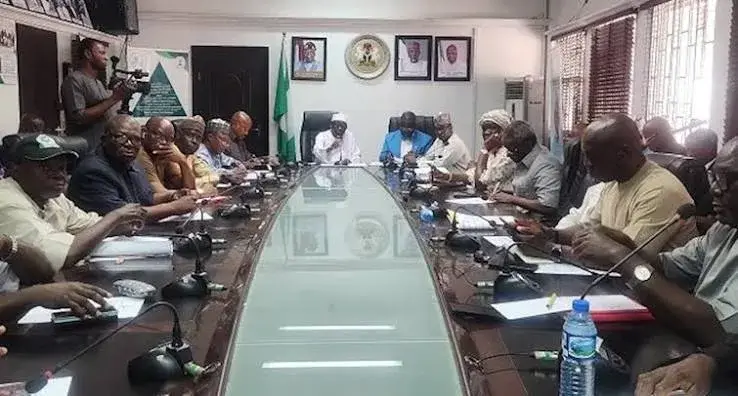
European Union Ambassador and Head of Delegation to Nigeria and ECOWAS, Gautier Mignot, issued the warning on Wednesday in Abuja during the Civil Society and Human Rights Defenders Forum on the State of Human Rights. The event was organized by the National Human Rights Commission (NHRC) with European Union backing.
Mignot stated that credible elections depend on open public debate, a free press, and unhindered citizen assembly.
Shrinking Civic Spaces Threaten Electoral Integrity
The European envoy stressed that democratic governance weakens when activists, journalists, and citizens face retaliation for questioning government policies or monitoring election preparations.
He argued that active civil society organizations serve as essential checks against administrative backsliding and electoral manipulation. Mignot noted that weakening these basic protections directly strips citizens of their constitutional right to participate meaningfully in national decisions.
To support local oversight, the ambassador announced that the EU is finalizing a new funding project with the NHRC to reinforce human rights monitoring and protect civic freedoms leading into 2027. He emphasized that European assistance is designed to strengthen domestic institutions rather than interfere in Nigeria's sovereign political choices.
Rising Attacks and Pre-Election Clashes
The diplomatic warning follows a surge of politically motivated clashes, attacks on party convoys, and inflammatory rhetoric across multiple states.
Independent observers and the National Peace Committee recently reported dozens of violent election-related incidents within a single month. Recent flashpoints include an ambush on an All Progressives Congress campaign convoy in Katsina State, an attack on opposition leader Peter Obi’s convoy in Calabar, and a violent confrontation during a political procession in Asaba, Delta State, which left one person dead and several injured.
Civil society leaders warned that unchecked aggression by partisan thugs fosters widespread voter fear long before ballots are cast.
NHRC Calls for Electoral Offences Commission
Delivering the forum’s keynote address, NHRC Executive Secretary Dr. Anthony Ojukwu, SAN, warned that electoral crime impunity remains the greatest internal threat to Nigerian democracy.
Ojukwu condemned the frequent misuse of statutory provisions, including the Cybercrimes Act, to harass investigative journalists, detain political opponents, and muzzle dissenting voices. He urged security agencies to treat human rights defenders and civil society monitors as democratic partners rather than state adversaries.
The NHRC chief renewed calls for the National Assembly to pass legislation establishing an independent Electoral Offences Commission. He argued that taking election crime prosecution out of the hands of overburdened police and electoral officials is vital to holding sponsors of political violence accountable.
Public Disillusionment and the Road to 2027
The warnings coincide with public opinion surveys reflecting deep voter skepticism regarding institutional fairness.
A nationwide Afrobarometer survey released this week revealed that roughly six in ten Nigerians doubt the upcoming elections will be free and transparent, citing fears of vote-buying, ballot interference, and compromised results. Despite these anxieties, a majority of registered citizens still expressed a strong intention to vote on election day.
Diplomatic missions and domestic rights advocates concluded the forum by urging the Independent National Electoral Commission, political parties, and security agencies to enforce campaign rules impartially and guarantee a safe political environment for all Nigerians.