
Tinubu Rules Out Petrol Subsidy Return, Says ‘Moses Can’t Go Back to Egypt’
Tinubu has ruled out restoring Nigeria’s petrol subsidy, invoking Moses’ journey from Egypt as his government defends reforms amid rising living costs.
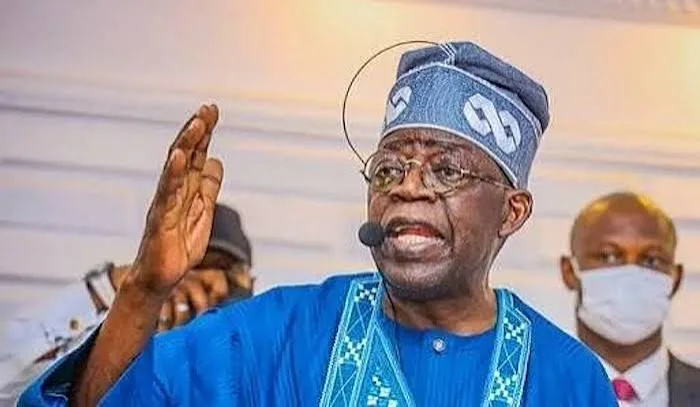
President Bola Tinubu has ruled out restoring Nigeria’s petrol subsidy, insisting that his administration will not reverse the policy despite mounting concerns over fuel prices and the cost of living, and likening calls for a return to the old system to asking Moses to return to Egypt.
The President made the remarks on Monday, October 19, while addressing members of the City Boy Movement, a political group supporting his administration, at an event in Abuja. He defended the decision to remove the subsidy on the day he assumed office in May 2023, arguing that the government could no longer afford to sustain the arrangement.
“I came and I removed subsidy the first day. I knew Nigeria would go bankrupt. There was nothing left to pay subsidy,” Tinubu said.
Acknowledging that some political opponents had promised to restore the subsidy, the President invoked the biblical and Quranic account of Moses, also known as Musa in Islam, leading the Israelites out of Egypt. He argued that reversing the policy would amount to abandoning the direction his administration had chosen for the country.
“When Moses and Musa left Egypt, they faced a challenge, and the Red Sea parted and gave way. You cannot ask Moses to go back to Egypt,” he said, adding that Nigeria would not return to the previous subsidy regime.
Tinubu also urged members of the group to mobilise young Nigerians ahead of the 2027 general election, asking them to encourage eligible voters to obtain their Permanent Voter Cards (PVCs) and participate in the electoral process. He called on supporters to promote his administration’s policies and achievements at campuses, markets and in rural communities.
The President’s comments come as the future of petrol subsidies becomes an increasingly prominent issue in political debate ahead of the next general election. Opposition figures, including former Vice-President Atiku Abubakar and former presidential candidate Peter Obi, have advocated restoring the subsidy under certain conditions, while other political figures have promised measures to reduce petrol prices if elected.
Tinubu’s administration removed the subsidy on May 29, 2023, during his inauguration, bringing an end to the government’s long-standing practice of absorbing part of the cost of petrol to keep pump prices lower for consumers. The announcement triggered an immediate increase in fuel prices, with the effects extending to public transportation, food distribution, household spending and business operating costs.
Successive increases in the cost of living have kept the policy under scrutiny, even as the Federal Government maintains that removing the subsidy was necessary to ease pressure on public finances and redirect resources towards other priorities. The administration has defended its broader economic reforms, which also include changes to the foreign exchange system and tax policy, as measures intended to address structural weaknesses in the economy.
The government has, however, introduced temporary measures to cushion the effects of higher fuel prices without formally restoring the subsidy. Earlier in October, the Presidency announced that the Nigerian National Petroleum Company Limited (NNPC) would forgo its petrol retail profit margin and sell fuel at cost under a time-limited arrangement intended to provide relief to households, particularly commercial transport operators.
The Presidency said the initiative was not a return to the former subsidy regime. It also outlined other proposed interventions, including efforts to stabilise petrol prices, expand cash transfers to vulnerable households, improve access to compressed natural gas (CNG) and reduce transportation and logistics costs.
Finance Minister and Coordinating Minister of the Economy Taiwo Oyedele reinforced that position on October 17, declaring that the government would not restore fuel subsidies or multiple exchange rates. He described the temporary petrol discount as a commercial measure rather than a subsidy funded by public resources.
The administration’s position has nevertheless left a clear divide between its economic policy and the proposals of political rivals seeking to offer voters relief from high fuel costs. While the government argues that reversing the reform would recreate fiscal pressures, calls for cheaper petrol reflect continuing concerns about how the policy has affected ordinary Nigerians.
The debate is likely to remain central to economic and political discussions as the country approaches the 2027 elections. At its heart is a question of how Nigeria can sustain changes intended to improve public finances while addressing the immediate cost pressures facing households, transport operators and businesses that depend heavily on petrol.
More on Nigeria
Nigeria
IMF Warns Nigeria Against Restoring Petrol Subsidy
16 Oct 2026
Nigeria
Tinubu Ends Four-Week European Working Vacation, Returns to Nigeria
30 Sept 2026
Nigeria
FG Reopens First Niger Bridge After 38 Days as Umahi Urges Tinubu Support
16 Oct 2026
Nigeria
Tinubu Orders Major Lagos-Calabar Highway Route Change as Umahi Reveals New Plan
12 Oct 2026
Nigeria
Nigeria Targets 24-Hour Electricity for Major Commercial Corridors
1 Oct 2026
Partner with Follow Global Trends
Display banners, sponsored stories and founder spotlights.
You may also like
Nigeria
Atiku Calls for Lower Fuel Prices as Cost-of-Living Pressure Mounts
21 Sept 2026
Nigeria
Nigeria Heads to UNGA 81 With Shettima Leading High-Level Delegation
20 Sept 2026
Nigeria
Church of Nigeria Faces Possible Awka Diocese Exit Amid Leadership Row
18 Oct 2026
Nigeria
Nigeria Woos Investors With 65 Projects Requiring $78.5bn
17 Oct 2026
Nigeria
Enugu to Begin ₦32bn Legacy Gratuity Payments Next Week
17 Oct 2026
Nigeria
Nigeria Mourns as NAF Names 25 Killed in Ondo Military Plane Crash
6 Oct 2026