
U.S. Denies Visas to Palestinian Officials Ahead of U.N. General Assembly
Washington says the decision reflects its policy toward the Palestinian leadership, drawing criticism ahead of the U.N.’s annual gathering of world leaders.
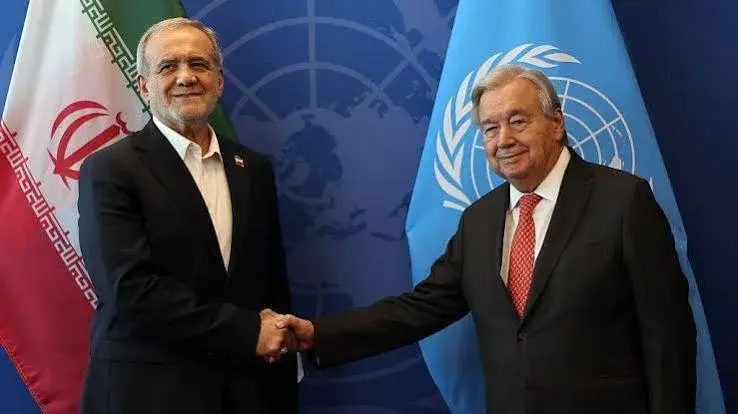
The United States has denied visas to senior Palestinian officials seeking to attend next week’s United Nations General Assembly in New York, creating a sharp diplomatic contrast with its decision to admit Iran’s delegation under its obligations as the host nation of the United Nations.
U.S. officials said the Palestinian representatives would not be granted entry for the high-level meetings, citing longstanding American policy toward the Palestinian leadership. The decision means key officials from the Palestinian Authority will be unable to participate in person during one of the world’s most significant diplomatic forums.
The move has drawn criticism from Palestinian officials, who argue that the visa refusals undermine multilateral diplomacy and restrict their ability to engage directly with world leaders on issues including the humanitarian situation in Gaza, statehood and the broader Middle East peace process. Their objections have been framed as diplomatic and political concerns rather than legal claims.
The decision is particularly notable because it comes just days after the U.S. confirmed that the core Iranian delegation would be permitted to attend the General Assembly despite ongoing hostilities between Washington and Tehran. The State Department said that decision was made “consistent with our host country obligations” under the treaty governing the United Nations headquarters in New York, while adding that Iran’s delegation would be smaller and subject to restrictions, including prohibitions on purchasing luxury goods.
Under the 1947 U.N. Headquarters Agreement, the United States is generally required to facilitate the entry of accredited representatives attending official United Nations meetings. However, the application of those obligations has periodically become the subject of diplomatic disputes, particularly in cases involving entities whose political or legal status differs from that of U.N. member states.
The General Assembly’s annual High-Level Week is expected to bring together presidents, prime ministers and foreign ministers from nearly every U.N. member state to discuss global security, climate change, economic development and ongoing conflicts. The absence of Palestinian officials could limit opportunities for face-to-face diplomacy during a period of heightened international attention on the Israeli-Palestinian conflict.
For Washington, the visa decisions underscore the delicate balance between its responsibilities as host of the United Nations and its broader foreign policy objectives. For the international community, they highlight how access to global diplomatic institutions can become intertwined with some of the world’s most contentious geopolitical disputes.
More on Global
Global
U.S. to Let Iranian Leaders Attend U.N. General Assembly Despite Wartime Tensions
17 Sept 2026
Global
UAE, Saudi Arabia, Türkiye and Five Others Back Britain’s Settlement Goods Ban
9 Sept 2026
Global
25 Years After 9/11, Trump Says Iran Fight Is Part of the Same Mission
12 Sept 2026

Global
BRICS Summit Opens in New Delhi as Leaders Push for a Stronger Global South
11 Sept 2026

Global
Trump Rejects AI Slowdown Calls, Says U.S. Must Stay Ahead of China
13 Sept 2026
You may also like
Global
UK Bans Trade With Israeli Settlements Over ‘Ethnic Cleansing’ Concerns
8 Sept 2026

Global
Britain Faces US Pressure Over West Bank Boycott as Israel Raises Falklands Issue
8 Sept 2026
Global
Canada Seeks Deeper EU Alliance as Carney Warns of Global ‘Ferocious Storm’
17 Sept 2026
Global
Britain’s Monarch Brings AI Industry Together for High-Level Scotland Summit
17 Sept 2026

Global
Russian Court Hands Canadian-Russian National Seven Years for High Treason
17 Sept 2026
Global
BRICS Pauses Common Currency Plan, Prioritises Local Currency Trade
16 Sept 2026