Russian Court Hands Canadian-Russian National Seven Years for High Treason
A dual Canadian-Russian citizen has been jailed after Russian authorities accused him of supporting separatist movements abroad.
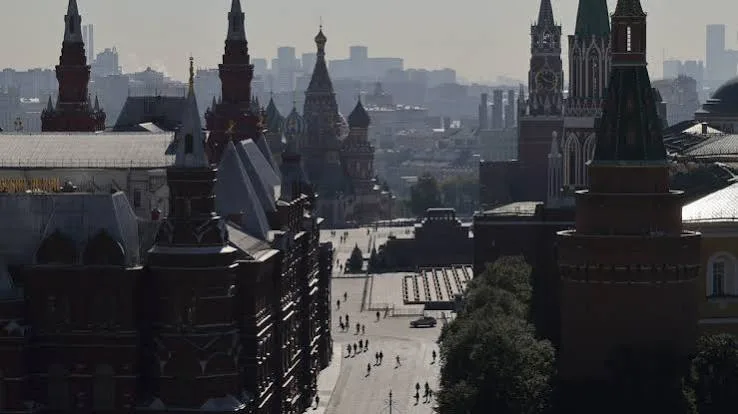
A court in Russia’s Komi Republic has sentenced a Canadian-Russian national, Nikolai Zyuzev, to seven years in a penal colony after convicting him of high treason, in a case that reflects Moscow’s increasingly aggressive use of treason laws against people accused of collaborating with foreign organizations.
Russian state media reported that Zyuzev was found guilty of activities linked to separatist movements operating outside Russia. The country’s Federal Security Service (FSB) alleged that he helped develop and support programmes aimed at training leaders of what it described as “national liberation movements” among Russia’s ethnic minority communities abroad.
According to the FSB’s account, the project was designed to undermine Russia’s sovereignty and territorial integrity. The agency further claimed that Zyuzev distributed material it considers extremist and carried out work commissioned by European Union government bodies and foreign think tanks. Those allegations were presented by Russian authorities as the basis for the treason conviction.
The Russian government’s claims have not been independently verified, and no public evidence has been released by the court to substantiate the allegations. Russian state reports also did not clarify how Zyuzev pleaded during the proceedings, while independent access to the case has remained limited.
Zyuzev, who holds citizenship in both Russia and Canada, is reported to have an academic background in philosophy and law. Russian and independent media say he previously taught at universities in the Komi region before moving to Canada, where he continued his academic career. He later returned to Russia and had been in custody since earlier this year.
The case comes amid a broader expansion of Russia’s national security legislation following the invasion of Ukraine in 2022. Human rights organizations and legal observers have repeatedly argued that treason, extremism and “foreign cooperation” laws are being applied more widely against academics, journalists, activists and dual nationals. Russian authorities reject those criticisms, insisting the measures are necessary to protect national security during wartime.
Russia is home to dozens of indigenous and ethnic minority communities, including Tatars, Buryats, Komi and other groups with distinct languages and cultural identities. Discussions surrounding regional autonomy and minority rights have become particularly sensitive since the war in Ukraine, with the Kremlin treating any perceived encouragement of separatism as a serious threat to the state.
For Canada, the sentencing adds to a growing list of cases involving dual nationals detained or prosecuted in Russia, underscoring the complex legal and diplomatic challenges citizens can face when relations between Moscow and Western countries remain deeply strained. More broadly, the verdict highlights how questions of security, sovereignty and civil liberties continue to shape Russia’s domestic legal landscape during an era of heightened geopolitical tension.
More on Global
Global
BRICS Pauses Common Currency Plan, Prioritises Local Currency Trade
16 Sept 2026
Global
Trump Begins Two-Day Ireland Visit with Taoiseach Meeting and Irish Open Stop
13 Sept 2026
Global
25 Years After 9/11, Trump Says Iran Fight Is Part of the Same Mission
12 Sept 2026

Global
9/11 at 25: 2,977 Drones Recreate Twin Towers Over New York
11 Sept 2026
Global
USS Abraham Lincoln Leaves Thailand After Rare Break from Historic Deployment
6 Sept 2026
You may also like
Global
U.S. Federal Reserve Hikes Rates to 3.75%–4.00% as Inflation Persists
17 Sept 2026
Global
EU Considers Canada for First-Ever Associate Membership, Von der Leyen Confirms
16 Sept 2026
Global
U.S. House Votes to Rein In Trump’s War Powers Over Iran
16 Sept 2026
Global
Trump Approves $2.8 Billion Arms Sale to Israel Amid Rising Middle East Tensions
16 Sept 2026
Global
Mark Carney Says Canada Is Pursuing a ‘Unique Alliance’ With the EU Amid US Trade War
15 Sept 2026
Global
Harry and Meghan Move Archie and Lilibet to New School Over Security Fears
15 Sept 2026