
Trump Pauses New Russia Sanctions, Citing US National Interest
US President Donald Trump has suspended key provisions of a new Russia sanctions law he signed last month, citing national interest in a move that has drawn criticism from Ukraine and renewed questions over Washington’s approach to Moscow.
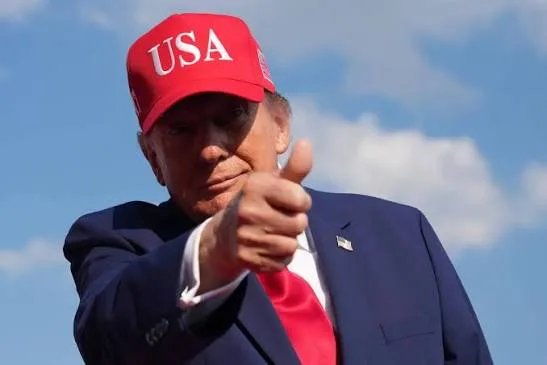
US President Donald Trump has put key provisions of a new sanctions package targeting Russia on hold, issuing an executive order just days before the measures were due to take effect under a law he signed last month.
The order, signed on Friday, October 16, waives sanctions and tariffs that were intended to increase economic pressure on Moscow over its war against Ukraine. Trump said the decision was in the national interest of the United States, but the White House did not immediately provide a detailed public explanation for the move.
The legislation, known as the Lindsey O. Graham Sanctioning Russia and Iran Act of 2026, was passed with bipartisan support in Congress and signed by Trump in September. Named after the late Republican senator Lindsey Graham, the law was designed to restrict Russia’s access to revenue and other resources that help sustain its war effort.
Among its key provisions were sanctions targeting Russian officials, banks and vessels associated with the transport of Russian energy products. It also authorized tariffs of up to 100 per cent on goods from countries that continued to buy Russian oil or gas under specified conditions. The measures were intended to put additional pressure on Moscow and countries maintaining major energy-trading relationships with it.
The law, however, gave the president authority to waive the measures if he determined that enforcing them was not in the national interest and notified Congress. Trump’s executive order invoked that provision, with the waiver remaining in force until he or senior administration officials decide further action is appropriate.
Ukrainian President Volodymyr Zelenskyy criticised the decision, arguing that easing the pressure would benefit Russia and could encourage further attacks against Ukraine. In a statement posted on Saturday, he said the move would not help end the war and pointed to Russian strikes on Ukrainian energy infrastructure.
The decision also drew criticism from US Democratic lawmakers. Senator Richard Blumenthal, a co-author of the legislation, accused Trump of undermining the intent of Congress, while Representative Don Beyer said the waiver weakened efforts to hold Moscow accountable for its invasion of Ukraine. Russia’s investment envoy, Kirill Dmitriev, welcomed the move, describing it as a significant development for US-Russia economic relations.
Trump’s decision follows an announcement earlier in October that Russia would supply diesel to US and global markets under an agreement intended to help ease high fuel prices. Trump said the arrangement would involve an initial shipment of more than 300,000 metric tonnes, followed by further supplies in subsequent months. The agreement has also faced criticism from lawmakers in both parties, who argue that renewed energy trade could provide Moscow with additional revenue while its war against Ukraine continues.
The timing adds to the significance of the sanctions waiver. The measures were intended to strengthen Washington’s economic leverage over Russia, but their implementation could also affect energy supplies and trade with major buyers such as China and India, which have raised concerns about the potential impact of the legislation. With the war in Ukraine continuing and the US approaching its November midterm elections amid pressure over fuel costs, the administration is balancing its stated economic and national interests against demands from Kyiv and some American lawmakers for stronger pressure on Moscow.
More on Global
Global
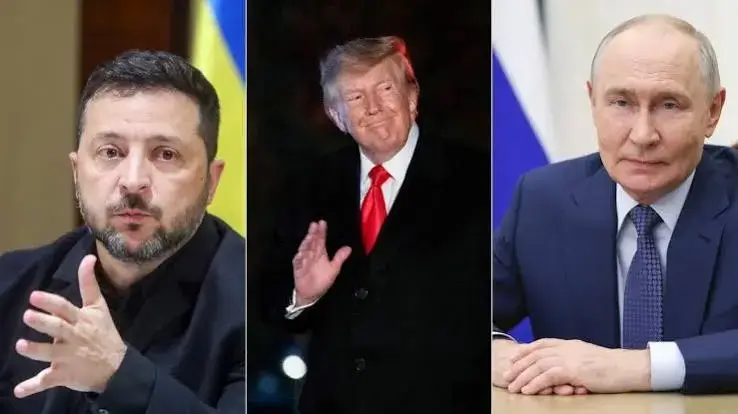
Trump Announces Immediate Energy Ceasefire Between Russia and Ukraine After Russian Diesel Deal
11 Oct 2026

Global
Protester Punched at Trump Rally as President Mocks Her Appearance
14 Oct 2026
Global
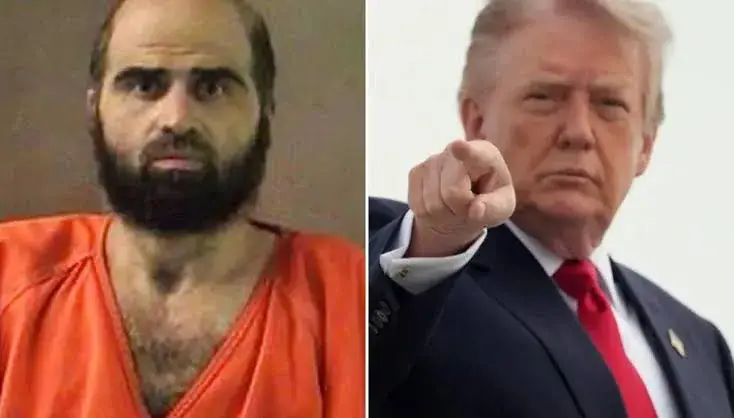
Trump Approves Firing Squad Execution of Nidal Hasan 17 Years After Fort Hood Massacre
7 Oct 2026
Global
US Treasury Seeks Global Support to Rename AI ‘Super Intelligence’
15 Oct 2026
Global
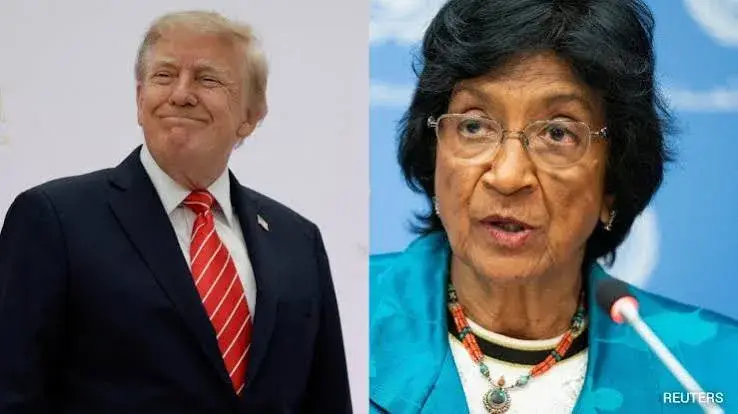
An Indelible Stain: Trump Lashes Out at Norway After Losing Nobel Peace Prize to Navi Pillay
11 Oct 2026
Partner with Follow Global Trends
Display banners, sponsored stories and founder spotlights.
You may also like
Global
Trump Sanctions ICC Over Prosecution of Americans, Vows to Cripple Court
10 Oct 2026
Global
Trump’s Press Secretary Katie Zacharia Ousted After Just Five Days
17 Oct 2026
Global
US Sanctions Cuban State Bank Over Links to Iranian Lender
16 Oct 2026
Global
Starlink Restrictions Disrupt Ukraine’s Military Operations, Zelensky Adviser Says
15 Oct 2026

Global
Ukraine Accuses Musk’s SpaceX of Disrupting Starlink as Russian Strikes Leave 600,000 Without Power
14 Oct 2026
Global
Trump Ally Kimberly Guilfoyle Quits Greece Ambassador Role After $100,000 Payment Allegation
13 Oct 2026