
US Treasury Seeks Global Support to Rename AI ‘Super Intelligence’
The US Treasury is seeking international backing to replace “artificial intelligence” with “super intelligence”, extending President Donald Trump’s rebranding drive into global economic institutions.
The United States is pressing international partners to adopt the term “super intelligence” in place of “artificial intelligence”, with the Treasury Department negotiating for the new wording to appear in an upcoming statement by a key International Monetary Fund committee.
Erin Browne, the US Treasury undersecretary for international affairs, disclosed the effort in an interview with Reuters on Thursday, October 15, during the IMF and World Bank annual meetings in Bangkok, Thailand. She said Washington was discussing the proposed terminology with other IMF shareholders ahead of a statement being prepared by the International Monetary and Financial Committee (IMFC).
The move takes President Donald Trump’s campaign to rename the technology beyond US government communications and into international policy discussions. Trump signed an executive order on September 29 directing federal departments and agencies to use “super intelligence”, abbreviated as “SI”, instead of “artificial intelligence” or “AI” in official communications, websites, reports and other non-statutory documents.
The White House has argued that “artificial intelligence” understates the capabilities and potential of rapidly advancing systems. The administration says the replacement term better conveys the technology’s expanding role in areas including science, medicine, manufacturing and economic growth.
Trump had announced the proposed change in a September address to the United Nations General Assembly, saying he wanted US documents to use the new terminology and expressing hope that other countries would follow. His administration has since instructed federal officials and diplomats to adopt the wording in their work.
The negotiations with IMF members represent a further attempt to secure international recognition for the administration’s preferred language. The IMFC is the fund’s principal advisory committee on international monetary and financial issues, bringing together representatives of its member countries. Its statements can reflect areas of agreement among major economies on the global economic outlook and policy priorities.
Browne said the United States sees the technology as an important driver of domestic and global economic growth, and believes other countries look to Washington for direction on standards and development. The US currently holds the rotating presidency of the Group of 20 major economies, giving it another platform to promote the terminology internationally.
However, the proposal has not been settled. Browne declined to say whether the United States would withhold its backing for the committee’s statement if the preferred wording were rejected. A person familiar with the discussions told Reuters that US officials had pushed strongly for the change, prompting concern among some other committee members. One possible compromise would be to avoid both “artificial intelligence” and “super intelligence” and refer more generally to “new technology”. The committee was expected to release its statement, if agreed, at a news conference on Saturday, October 17.
The terminology also carries a technical distinction. In established AI discussions, superintelligence generally refers to a hypothetical system that surpasses human cognitive abilities across a wide range of fields. The Trump administration’s executive order, by contrast, directs federal agencies to use “super intelligence” as a replacement label for the broader category of technologies already covered by the legal definition of artificial intelligence. Experts have cautioned that using the same term for these different concepts could create confusion.
The dispute is therefore about more than wording in an official statement. If adopted by international institutions, the change would signal how far the US administration’s preferred terminology has travelled beyond its own government. But the outcome of the IMF discussions remained uncertain, and the negotiations had not established that other countries or the wider AI industry would abandon the established term. The debate comes as governments and businesses continue to weigh the technology’s potential contribution to productivity and growth against concerns about safety, accountability and its broader effects on society.
More on Global

Global
Protester Punched at Trump Rally as President Mocks Her Appearance
14 Oct 2026
Global
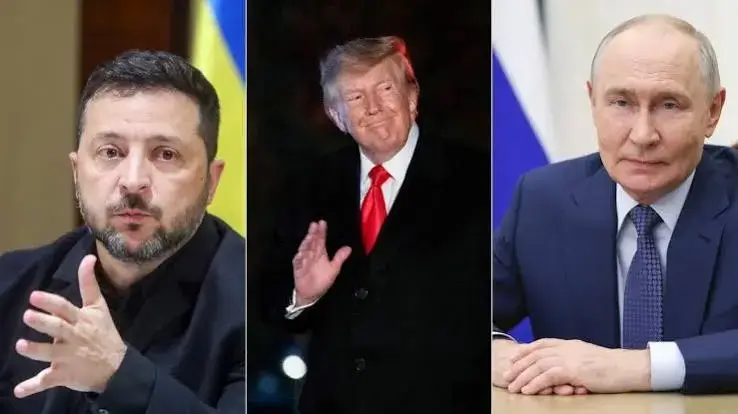
Trump Announces Immediate Energy Ceasefire Between Russia and Ukraine After Russian Diesel Deal
11 Oct 2026
Global
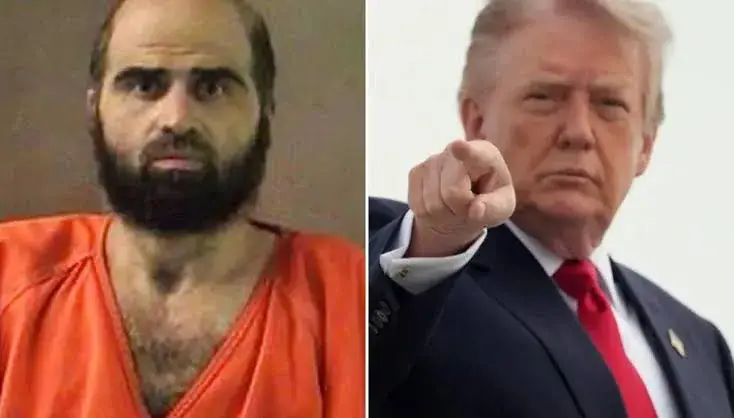
Trump Approves Firing Squad Execution of Nidal Hasan 17 Years After Fort Hood Massacre
7 Oct 2026
Global
Hormuz Crisis: Trump Rejects Iran’s Seven-Day Reopening Plan
28 Sept 2026
Global
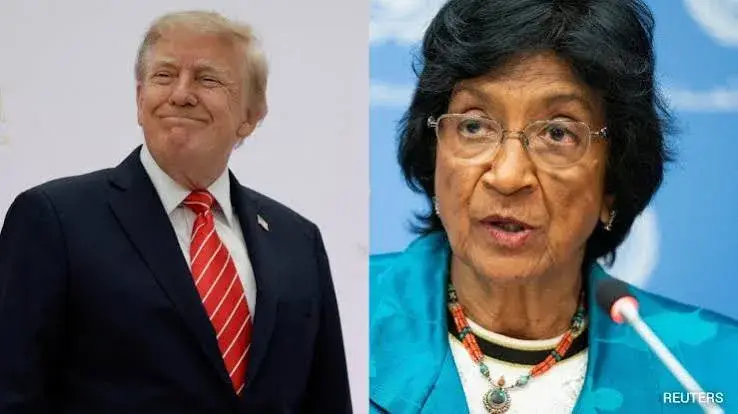
An Indelible Stain: Trump Lashes Out at Norway After Losing Nobel Peace Prize to Navi Pillay
11 Oct 2026
Partner with Follow Global Trends
Display banners, sponsored stories and founder spotlights.
You may also like
Global
Syria Weighs Military Support for Saudi Arabia as Houthis Escalate
8 Oct 2026

Global
Nigeria to Host CANEX 2026 as Government Targets Global Creative Markets
2 Oct 2026
Global
Trump Ally Kimberly Guilfoyle Quits Greece Ambassador Role After $100,000 Payment Allegation
13 Oct 2026

Global
Trump Sanctions ICC Over Prosecution of Americans, Vows to Cripple Court
10 Oct 2026
Global
London’s Super-Rich Are Leaving and $160 Billion of Wealth Is at Stake
5 Oct 2026
Global
Andy Burnham Accuses Russia of Meddling in Brexit Vote but Downing Street Defends Referendum Legitimacy
12 Oct 2026