
Andy Burnham Accuses Russia of Meddling in Brexit Vote but Downing Street Defends Referendum Legitimacy
Prime Minister Andy Burnham faces calls to publish intelligence after claiming Moscow interfered in Britain's 2016 vote to leave the European Union.
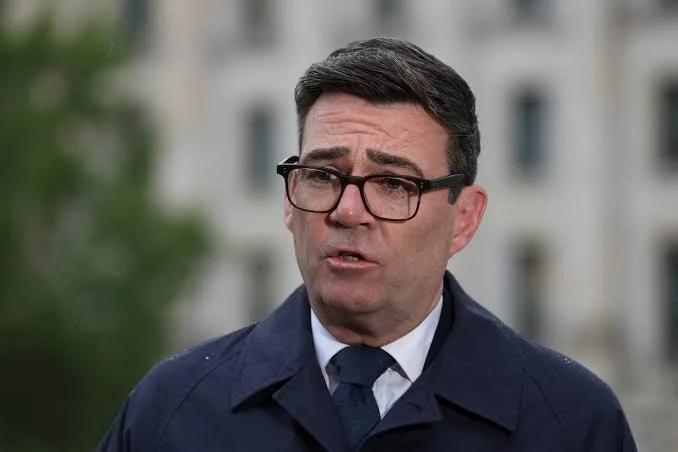
Prime Minister Andy Burnham sparked fury in Britain after asserting that Russia tried to interfere in the 2016 Brexit vote that took the country out of the European Union, breaking with previous premiers who said there was no evidence Moscow had meddled. The explosive comments ignited an immediate clash in Westminster, reopening long-standing domestic divisions over the referendum and raising sharp questions about the integrity of democratic processes across Europe.
Burnham made the remarks on "The Rest Is Politics," a popular British podcast released overnight, saying he wanted to highlight the danger of Russian misinformation as European countries prepare for elections at a time of hyperpolarization. During the interview, he stated it was clear that Moscow sought to meddle in the historic vote, cautioning that the British public has not been adequately informed about the degree to which adversarial foreign states work to undermine domestic democratic institutions from abroad. The remarks prompted immediate clarification from Downing Street, where officials stated that while it was inconceivable that Russia did not attempt to turn the referendum to its advantage, the prime minister remains confident Moscow failed to alter the final result and regards the outcome as entirely legitimate.
The row moved swiftly onto the floor of the House of Commons on Monday as lawmakers returned from recess. Addressing MPs, Burnham defended his warning about foreign interference while outlining plans to reset Britain's relationship with Brussels. He argued that securing new agreements with the European Union on food and drink trade, energy, and cross-border immigration cooperation is vital to spur domestic economic growth. Under questioning from Father of the House Edward Leigh, Burnham stressed that he is not attempting to overturn the referendum or reopen red lines regarding the EU single market and customs union, describing his strategy as practical rather than ideological.
Opposition leaders across party lines quickly challenged the prime minister's assertions. Conservative Party leader Kemi Badenoch dismissed Burnham's diplomatic strategy, warning that the European Union remains an uncompromising negotiator and arguing that the government will fail to extract meaningful concessions. Both Badenoch and Liberal Democrat leader Ed Davey called on the prime minister to present concrete intelligence to support his claims of Russian meddling. Davey praised Burnham for confronting foreign interference openly but urged the government to publish the underlying evidence before parliament. Reform UK leader Nigel Farage rejected the prime minister's claims outright, publicly calling Burnham a liar.
Burnham's public intervention illustrates how the geopolitical aftershocks of the 2016 vote continue to shape British domestic and foreign policy a decade on. By departing from the public stance of predecessors who denied evidence of Russian involvement, Burnham has thrust the referendum back into the center of international security debates. As Western nations grapple with increasingly complex cyber operations and covert political subversion, the Westminster clash highlights the delicate balance Downing Street must strike: confronting systemic national security threats while preserving public confidence in the legitimacy of the country's cornerstone democratic decisions.
More on Global
Global
Andy Burnham Unveils 10-Year Plan to Reshape Britain’s Public Services
29 Sept 2026
Global
Trump Announces Immediate Energy Ceasefire Between Russia and Ukraine After Russian Diesel Deal
11 Oct 2026
Global
Russia Launches Massive Strikes On Ukraine’s Energy Infrastructure
30 Sept 2026
Global
Ukraine Retakes More Ground in Northern Donetsk as Russian Offensive Loses Momentum
29 Sept 2026
Global
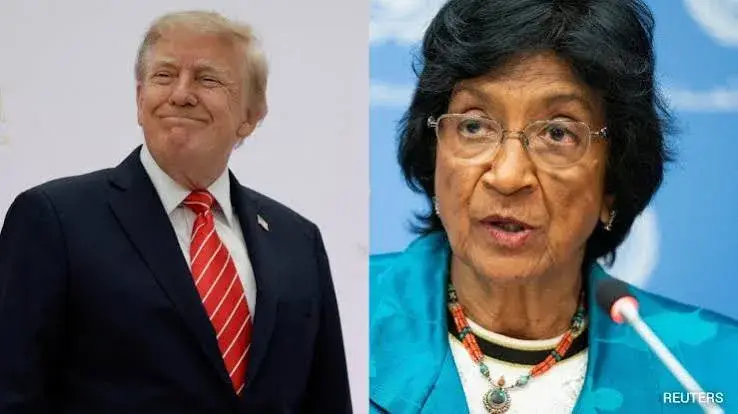
An Indelible Stain: Trump Lashes Out at Norway After Losing Nobel Peace Prize to Navi Pillay
11 Oct 2026
You may also like
Global
UN Chief Says Africa Deserves Permanent Security Council Representation
26 Sept 2026
Global
Israeli Strike Kills Two Palestinians in Southern Gaza as Ceasefire Strains Deepen
12 Oct 2026
Global
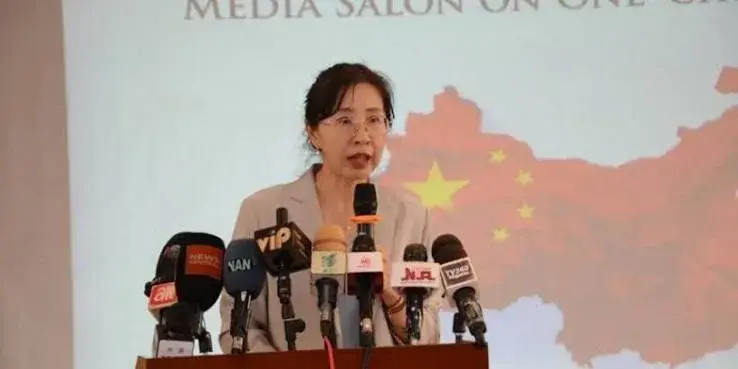
China Asks Nigerian Media to Align Taiwan Coverage With One-China Position
10 Oct 2026
Global
Trump Sanctions ICC Over Prosecution of Americans, Vows to Cripple Court
10 Oct 2026
Global
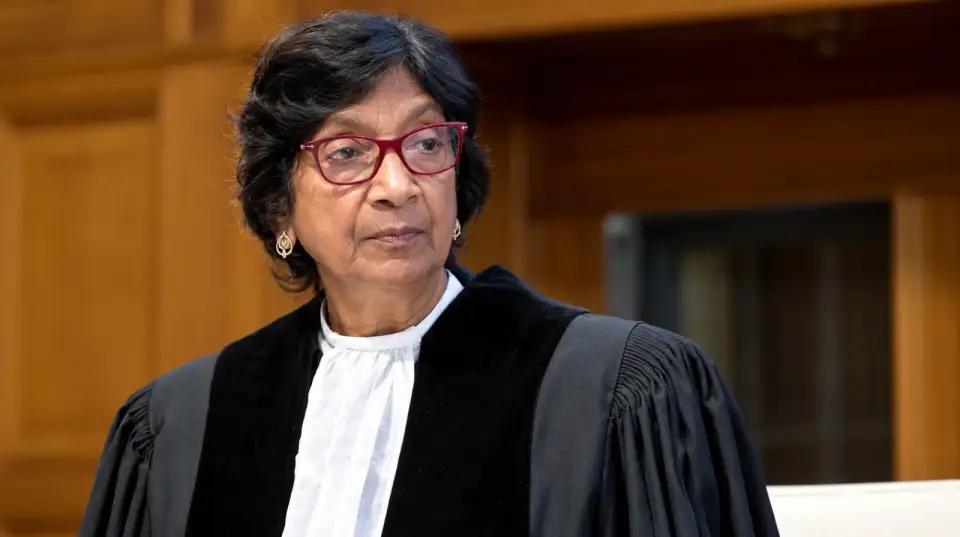
South African Jurist Navi Pillay Wins 2026 Nobel Peace Prize for Human Rights Work
9 Oct 2026
Global
US Suspends Microsoft, Infosys, Wipro and Major IT Firms From Green Card Programme
8 Oct 2026