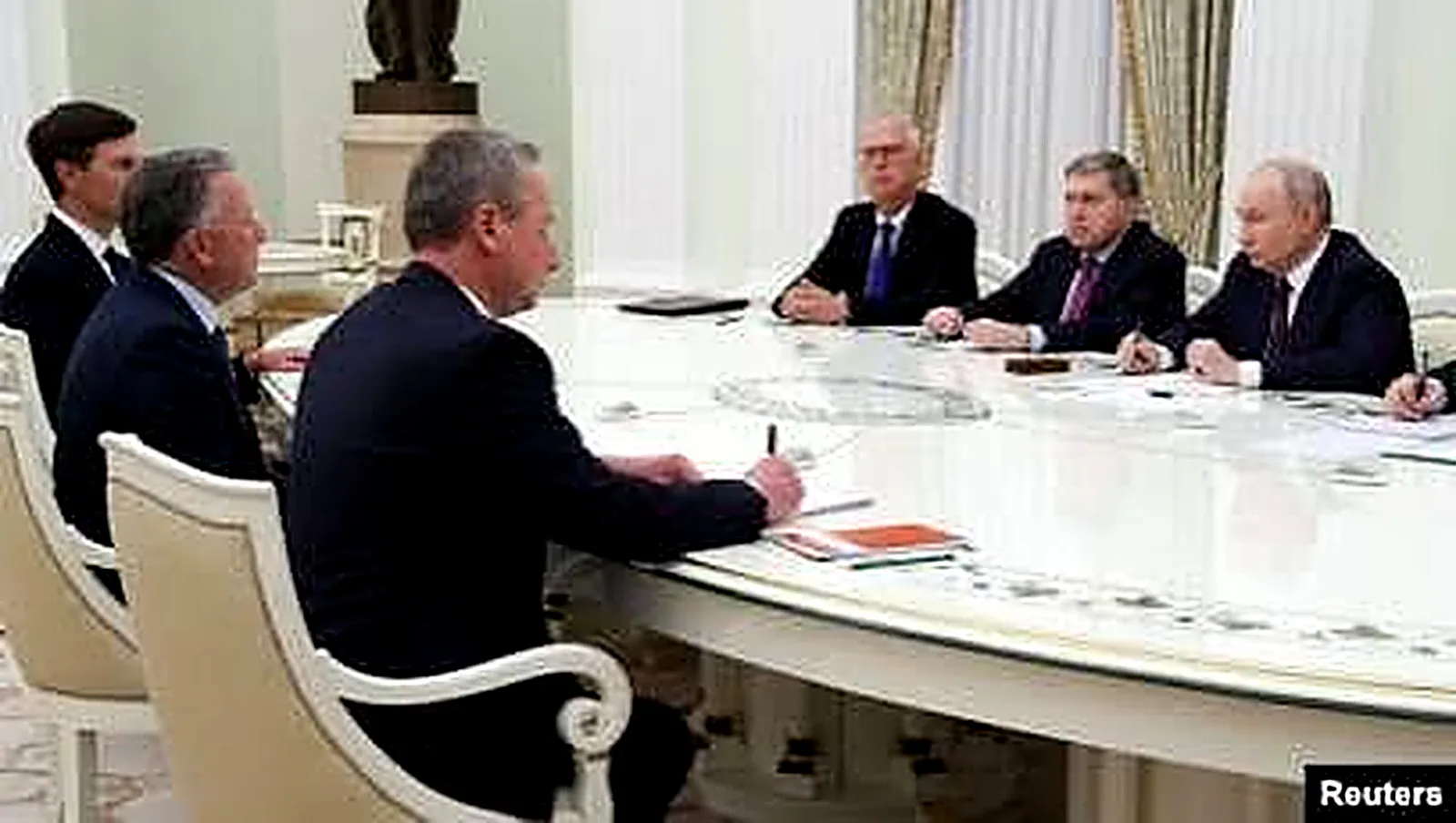
Following high-level discussions with Vladimir Putin in Moscow, American negotiators confirmed an agreement for Europe to join Ukraine peace talks in upcoming diplomatic sessions. The decision marks a critical turning point in international efforts to halt Europe's deadliest conflict in generations.
Kremlin Discussions Pave Way for European Inclusion
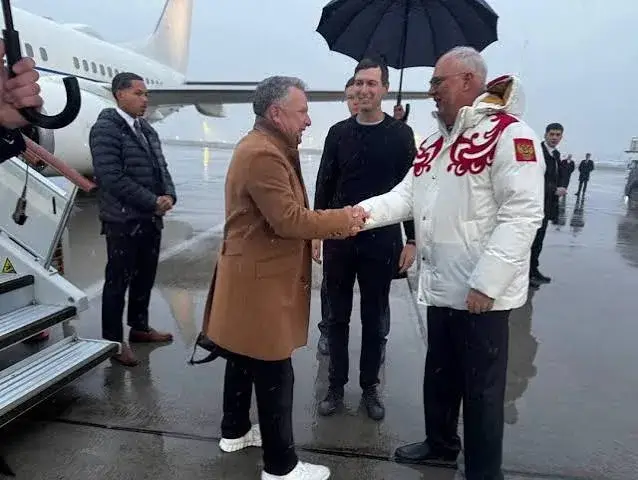
U.S. Special Envoy Steve Witkoff and presidential adviser Jared Kushner met with Russian President Vladimir Putin in Moscow on Thursday for discussions lasting more than two hours. The Kremlin session built upon preliminary talks held earlier this week in Abu Dhabi, which established an initial framework for a major prisoner exchange.
Speaking to reporters before departing for Dublin, Witkoff confirmed that European representatives will have a direct seat at the negotiating table. "The Europeans will join at the next meeting, which we think is a very big step," Witkoff said, emphasizing that European allies remain indispensable security partners.
The inclusion of European powers addresses weeks of mounting concern across European capitals. Leaders in London, Paris, Berlin, and Brussels had urged Washington not to negotiate regional security arrangements without their direct involvement, arguing that lasting peace requires European guarantees and long-term economic support.
Diplomatic Hurdles and Moscow's Unbending Stance
Despite the agreement to widen the negotiating table, substantial obstacles continue to shadow the peace initiative. Moscow had long resisted direct European participation, regularly portraying Western European governments as active parties to the conflict due to their substantial military aid to Kyiv.
During Thursday's session, Putin maintained strict territorial demands, reiterating that any durable settlement must recognise Moscow's claimed annexation of four eastern and southern Ukrainian regions. Russian officials also issued sharp warnings against deploying European or foreign peacekeeping forces to monitor future ceasefires, describing foreign troops on Ukrainian territory as an unacceptable escalation.
The firm stance from Moscow highlights the difficult path facing diplomats as they try to bridge deeply opposing positions on borders, troop deployments, and sovereign guarantees. Western officials caution that while procedural agreements on attendees represent progress, fundamental strategic disagreements remain entirely unresolved.
Dublin Consultations and Ukraine's Push for Guarantees
Immediately after departing Moscow, Witkoff and Kushner landed in Dublin to consult with Ukrainian President Volodymyr Zelenskyy and key European diplomatic envoys. Zelenskyy welcomed the development, noting that bringing Europe to join Ukraine peace talks ensures that Kyiv's primary security partners participate directly in shaping any ceasefire framework.
Ukrainian officials stressed that any negotiated pause in fighting must carry verifiable security provisions rather than fragile diplomatic promises. With heavy fighting continuing along the eastern front and renewed drone strikes hitting regional infrastructure, Kyiv maintains that durable security pacts are necessary to deter future aggression.
Diplomatic delegations in Dublin are now working to establish the venue, agenda, and technical working groups for the upcoming multilateral summit. Both sides acknowledge that while expanding the table brings critical allies into the room, reaching a comprehensive peace treaty remains an uphill diplomatic challenge that will test international resolve across the continent. Next round dates and locations are expected to be finalized before the end of the month.