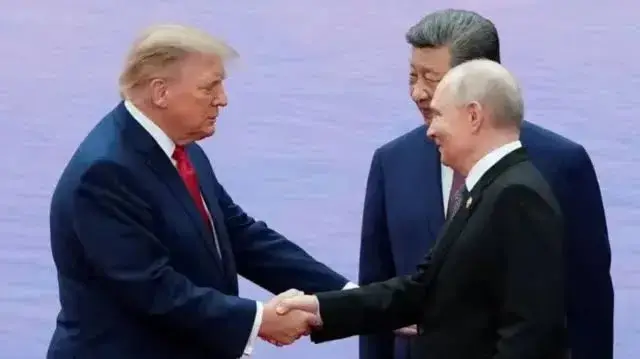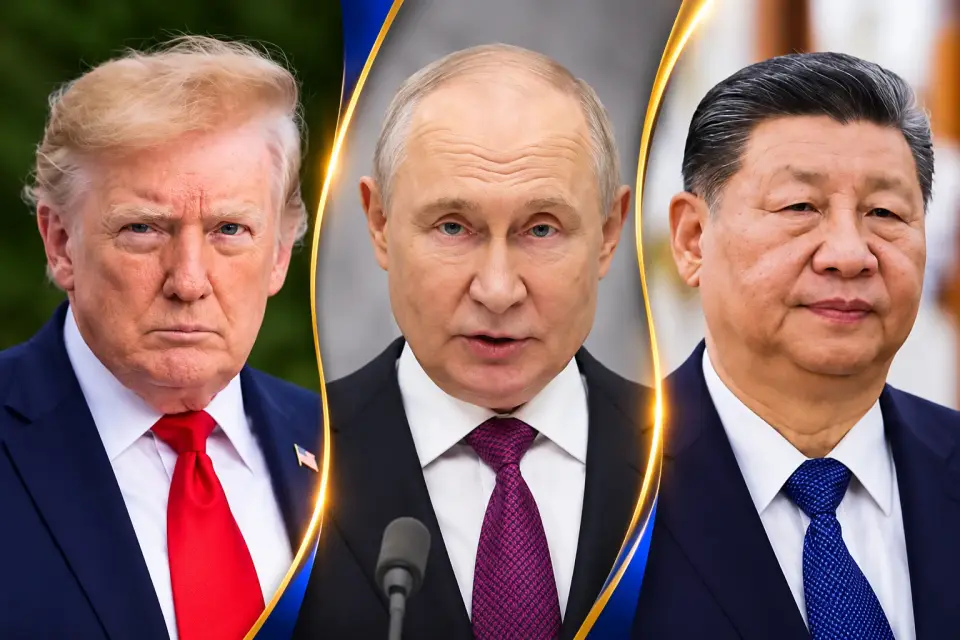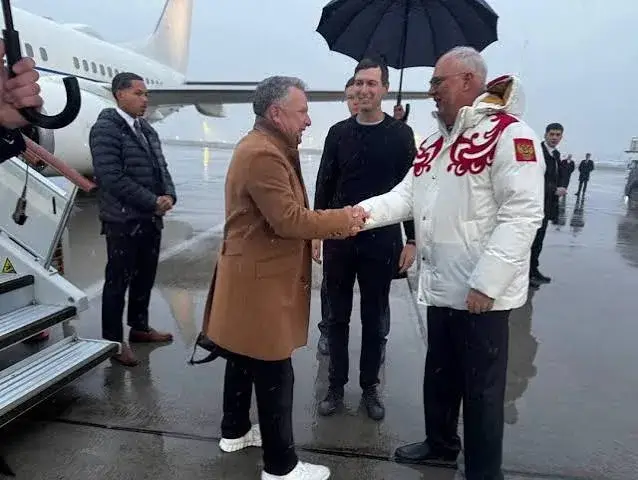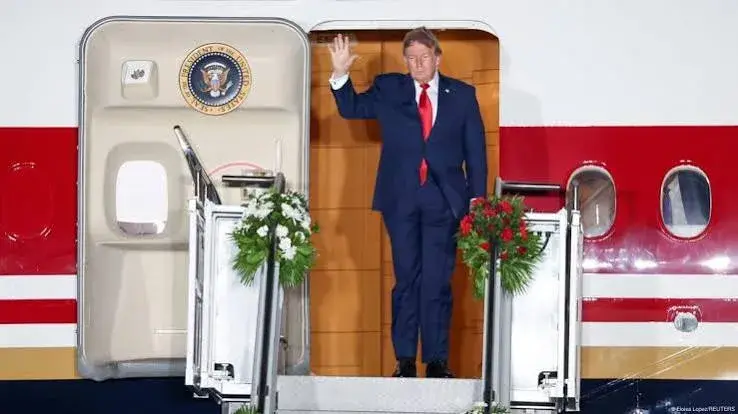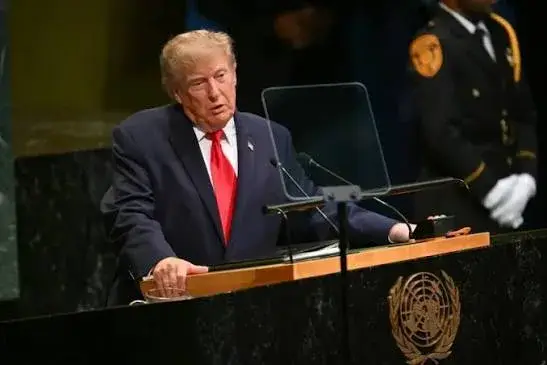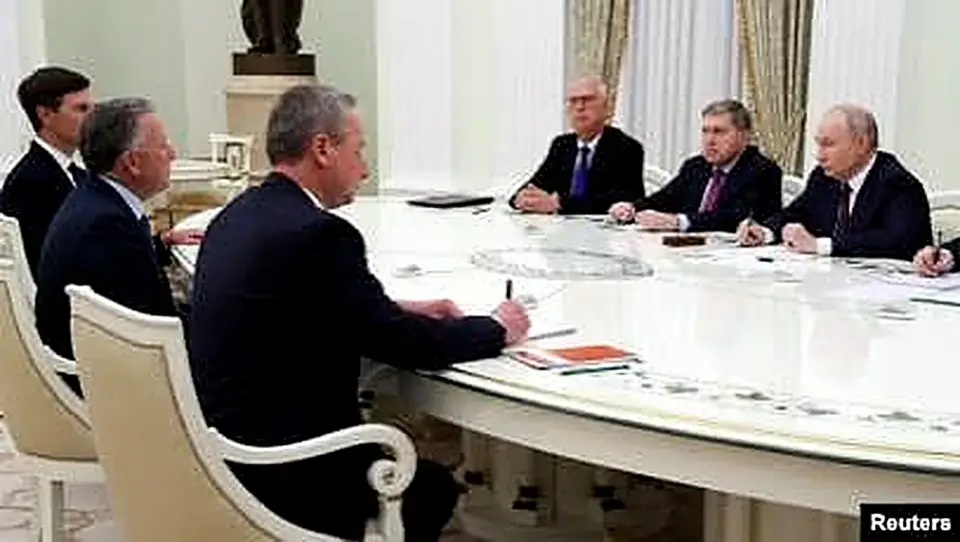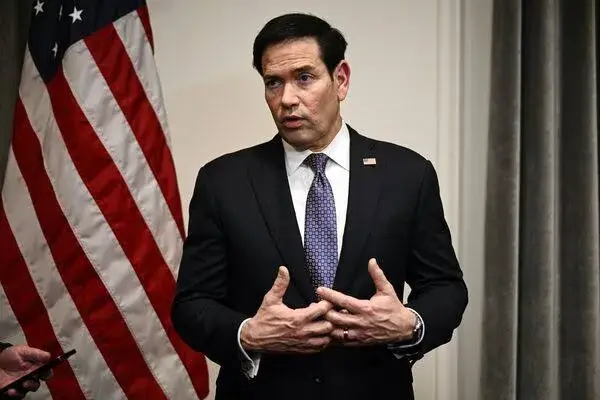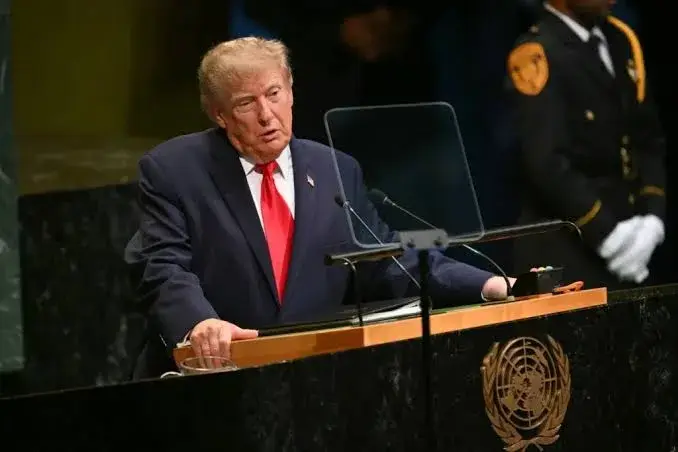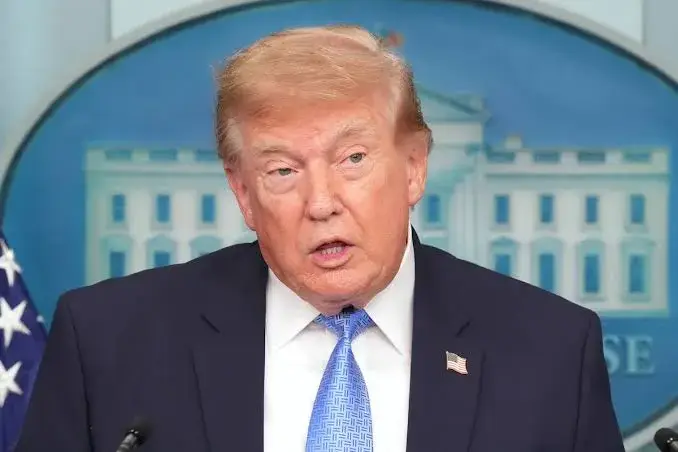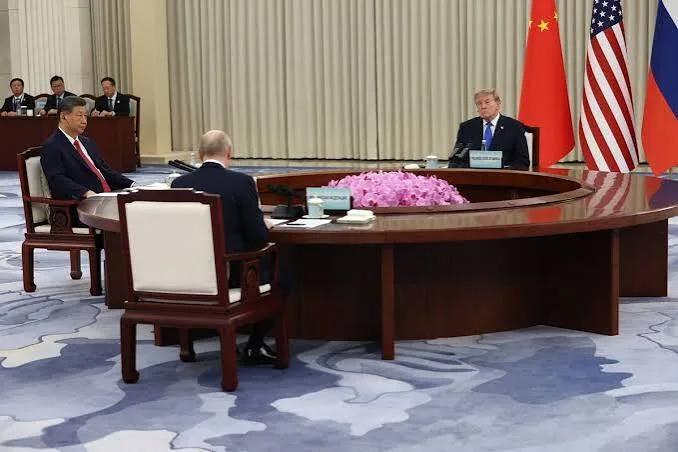
US President Donald Trump, Chinese President Xi Jinping and Russian President Vladimir Putin met Thursday in Shenzhen, China, during the Asia-Pacific Economic Cooperation (APEC) summit.
The gathering marked the first-ever trilateral summit involving the leaders of the three countries. Their discussions covered nuclear weapons, international security, the wars in Ukraine and Iran, and wider cooperation between major powers.
The meeting took place at Kylin Villa, a government diplomatic retreat in Shenzhen. The three leaders met behind closed doors before announcing a joint declaration outlining areas of cooperation.
Trump described the meeting as historic. He said the three countries had an important role in reducing nuclear weapons and preventing their use.
Xi described the talks as constructive, while Putin said the discussions were open and candid.
Nuclear Weapons and Global Security Dominate Discussions
Nuclear arms control was among the most important subjects discussed.
Trump called for cooperation between the United States, China and Russia to reduce nuclear arsenals and lower the risk of nuclear conflict.
The discussions came after the New START agreement between Washington and Moscow expired in February. The treaty had placed limits on deployed strategic nuclear weapons held by the two countries.
China has previously resisted joining nuclear arms negotiations with the United States and Russia, arguing that their arsenals are significantly larger.
Although the leaders expressed support for preventing nuclear war, they did not announce a new arms-control agreement or specific reductions in their nuclear weapons.
The joint declaration stated that a nuclear war cannot be won and must not be fought. It also called for dialogue to reduce nuclear risks.
Ukraine and Iran Remain Major Unresolved Issues
The leaders also discussed the wars in Ukraine and Iran, but the meeting produced no announced breakthrough toward ending either conflict.
Trump has repeatedly expressed interest in ending the war in Ukraine. Russia's invasion continues, while Kyiv and its international supporters remain central to any meaningful peace process.
The summit's joint declaration, however, did not specifically mention the Ukraine or Iran wars.
That omission raised questions about whether the meeting had achieved meaningful progress on the conflicts that had featured in discussions.
The three leaders also discussed international security and their respective positions on global affairs. However, no detailed peace framework or agreement to end either war was announced.
Joint Declaration Calls for UN Reform and Cooperation
Following the talks, the three countries issued a declaration outlining shared priorities.
The statement called for reform of the United Nations to make the organisation more effective in responding to global challenges.
It also supported increasing the production and supply of refined petroleum products and emphasised international security and diplomatic cooperation.
Another section criticised what it described as the excessive jurisdiction of the International Criminal Court (ICC) and similar institutions.
The ICC is an international court that prosecutes individuals accused of serious crimes, including war crimes and crimes against humanity.
The wording attracted attention because Putin is subject to an ICC arrest warrant over alleged war crimes relating to the deportation and transfer of Ukrainian children.
The declaration also emphasised diplomatic immunity and the importance of respecting state consent.
Symbolism, Diplomacy and Questions About Results
The meeting carried major symbolic significance because it brought together leaders of three powerful countries with competing interests.
Trump has emphasised personal diplomacy and his relationships with other world leaders. Xi and Putin also presented the meeting as an opportunity for cooperation on international issues.
However, analysts questioned whether the summit would deliver lasting results beyond its diplomatic symbolism.
The leaders did not announce major agreements on nuclear disarmament, Ukraine or Iran. Their declaration instead focused on broader principles and areas where cooperation could be possible.
The meeting nevertheless created a new diplomatic channel among Washington, Beijing and Moscow at a time of heightened international tensions.
Whether the talks lead to concrete agreements will depend on follow-up discussions and actions by the three governments.
For now, the historic summit has opened a new diplomatic moment, but its biggest promises remain unresolved.