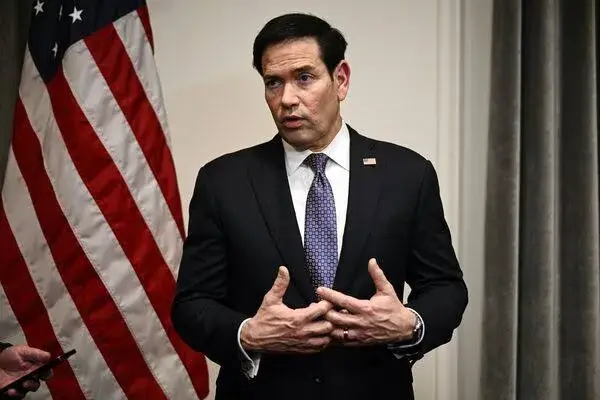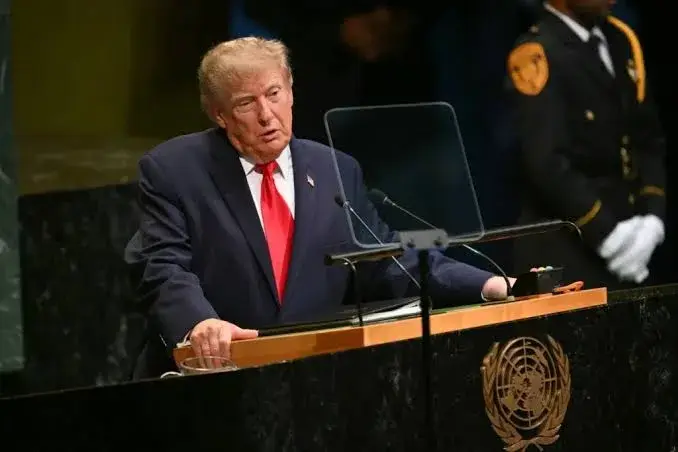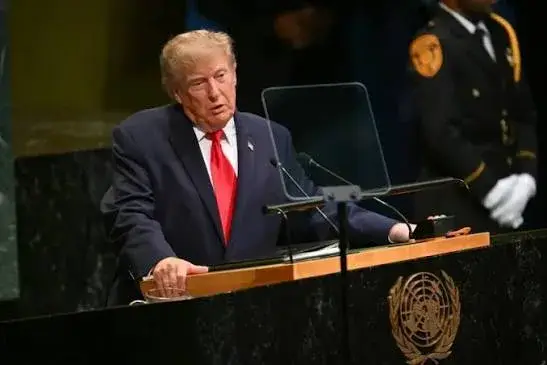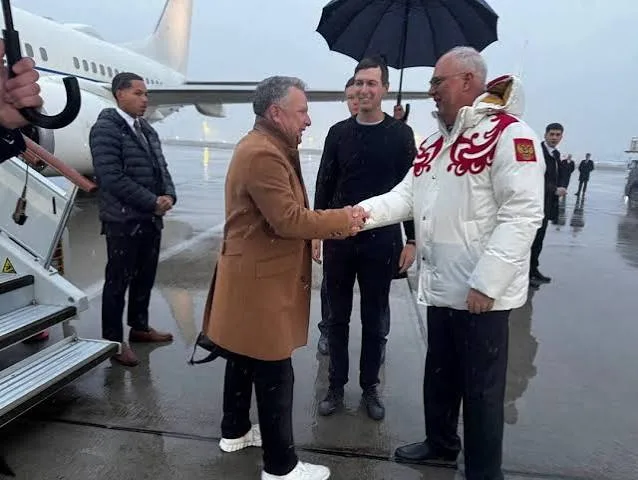
United States special envoy Steve Witkoff and presidential son-in-law Jared Kushner and Witkoff land in Moscow on Thursday morning for high-stakes talks with Russian President Vladimir Putin.
The American delegation touched down at Moscow's Vnukovo Airport, where Russian presidential special envoy Kirill Dmitriev formally received them. The diplomatic mission represents Washington’s most direct effort yet to broker terms to end nearly five years of full-scale war in Ukraine.
Following their meetings in the Russian capital, the American envoys are scheduled to fly directly to Dublin, Ireland, for discussions with Ukrainian President Volodymyr Zelenskyy.
Kremlin Reception and Diplomatic Agenda
The Moscow visit marks a crucial testing ground for updated peace frameworks drafted by the Trump administration.
Kirill Dmitriev, who serves as chief executive of the Russian Direct Investment Fund and a trusted Kremlin intermediary, escorted Kushner and Witkoff into central Moscow for consultations. Russian state media confirmed the arrival, highlighting bilateral interest in exploring diplomatic exit ramps from the protracted conflict.
Diplomatic sources indicate that the US team aims to present an updated sequence of confidence-building steps, focusing on de-escalation protocols and international monitoring mechanisms.
Outcomes from the Abu Dhabi Trilateral Talks
The trip comes immediately after two days of intense trilateral negotiations in the United Arab Emirates.
Hosted in Abu Dhabi, those talks brought Russian, Ukrainian, and American delegations together for their first direct trilateral engagement since February. The negotiations concluded on Wednesday with a landmark agreement on a sweeping prisoner-of-war exchange, which Kushner described as the largest single swap of the war.
While negotiators praised the prisoner deal as a vital trust-building milestone, delegates acknowledged that the sessions produced no tangible breakthrough on a comprehensive ceasefire.
Core Disagreements and European Involvement
Substantial hurdles continue to divide Moscow and Kyiv on basic territorial and political conditions.
Moscow continues to insist that Ukraine concede the entirety of its eastern Donbas region as a precondition for halting military operations. Kyiv has categorically rejected any territorial concessions, demanding full sovereign restoration and robust post-war security guarantees.
A major point of contention remains the role of European allies. Washington and Kyiv have pushed to include key European leaders in formal peace structures, while Moscow remains resistant to direct European Union participation in the primary negotiating channel.
International Stakes in a Protracted Conflict
The diplomatic offensive unfolds against the backdrop of catastrophic human and material costs on both sides of the front lines.
Military analysts note that severe winter conditions and mounting economic strains have intensified international pressure to find a workable settlement. However, Western allies maintain cautious skepticism, emphasizing that any durable agreement must guarantee Ukraine's long-term independence and prevent future Russian military aggression.
Kushner and Witkoff's upcoming session with President Zelenskyy in Dublin is expected to clarify whether the Kremlin's positions offer any realistic basis for formal ceasefire talks.