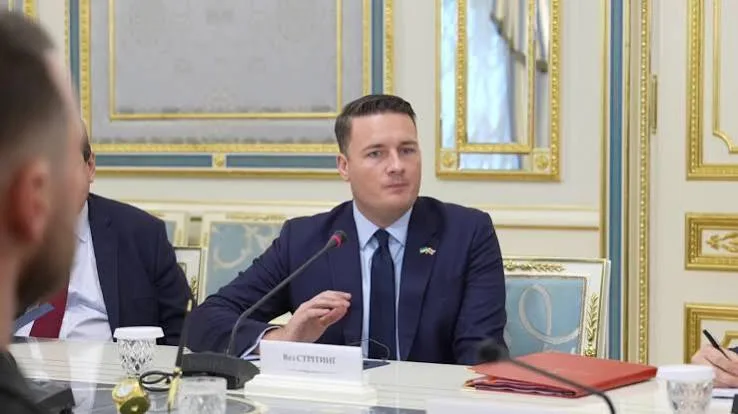
British Defence Secretary Wes Streeting travelled to Kyiv for high-stakes talks with Ukrainian President Volodymyr Zelenskyy, delivering a blunt assessment of the Kremlin’s leadership.
During the visit, Streeting declared that Russian President Vladimir Putin "has absolutely no business playing the victim." He condemned Moscow's ongoing invasion of Ukraine and warned international allies against accepting superficial peace gestures.
The comments underscore a firm British stance at a moment of delicate global diplomacy. Streeting insisted that Western democracies must evaluate the Russian leader strictly by military actions rather than diplomatic rhetoric.
Warning Against Diplomatic Appeasement
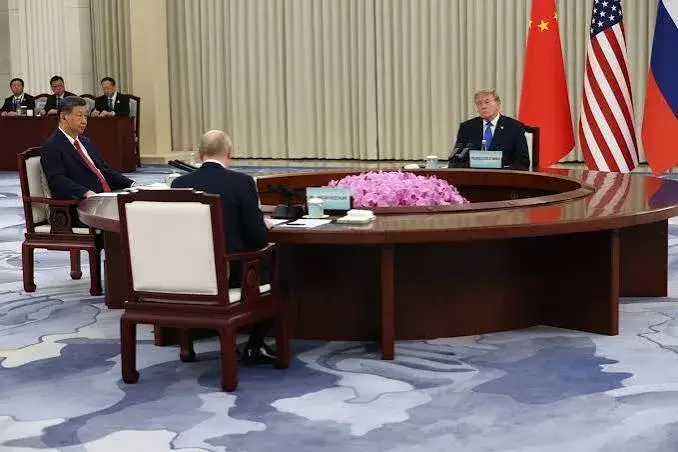
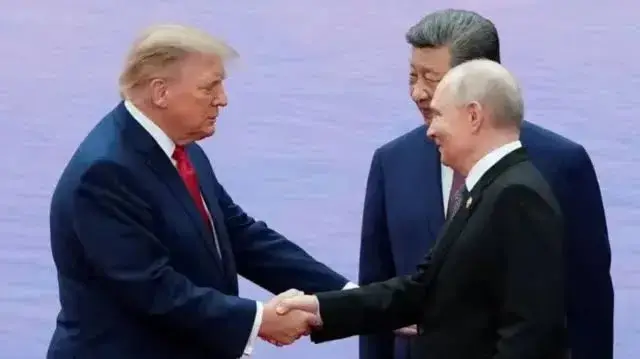
Streeting’s strong language delivered a pointed signal to international partners seeking diplomatic compromises with Moscow. The remarks followed a recent trilateral summit where US President Donald Trump met Putin and Chinese President Xi Jinping, with Trump referring to Putin as a "friend."
"All of us, right throughout the world, need to judge Putin not on his words, but on his actions," Streeting told Zelenskyy during their meeting.
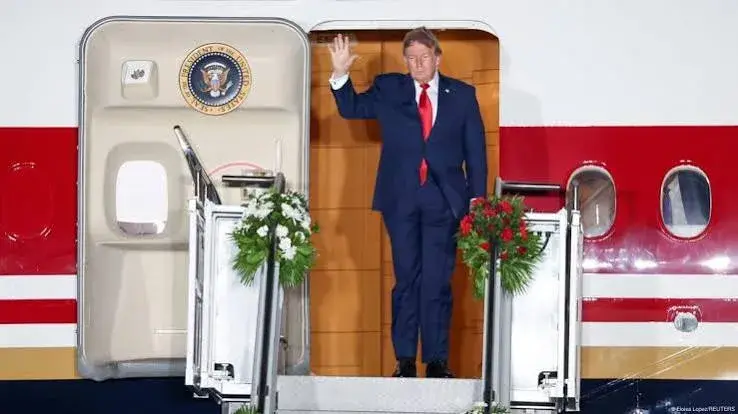
"It's no good Putin turning up to international summits, walking up the red carpet and talking the language of peace, if in the days that follow, we see heavy bombardment, particularly of civilian infrastructure," the Defence Secretary added. "So I think in Europe we know exactly who we're dealing with in Putin. As I've said before, he is a cold-blooded killer."
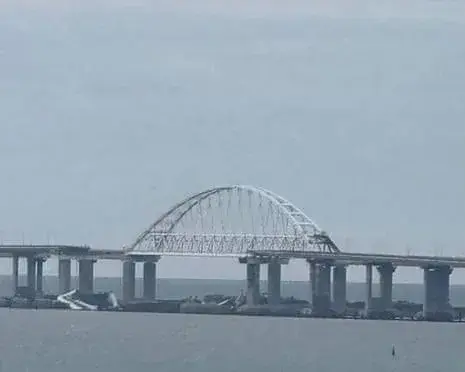
Streeting warned against historical mistakes, urging allies not to "appease Putin and don’t feed the crocodile," citing the 2014 annexation of Crimea as proof that concessions fail.
Border Tensions After Poland Incident
Streeting arrived in Kyiv directly from south-eastern Poland, where British personnel participated in Exercise Koalicja. The international military drill gathered 5,000 troops from 11 nations to practice rapid-response and coalition logistics.
Hours before Streeting crossed into Ukraine, two Russian missiles and a suspected military drone crashed inside Polish territory near the border. One missile landed roughly 22 miles from the allied exercise site.
Streeting called the border incursion an "outrageous provocation" by Moscow. Polish authorities and NATO officials launched urgent investigations into the incident, which heightened alarm across Eastern Europe.
The incident accelerated discussions in Kyiv regarding enhanced air defence systems and radar cooperation to protect allied borders and Ukrainian airspace.
Winter Aid and Comparing Zelenskyy to Churchill
Beyond security rhetoric, the Kyiv talks focused on urgent preparations for Ukraine’s harsh winter. Officials noted that temperatures can drop to -20°C, leaving millions vulnerable if energy infrastructure suffers further damage.
Streeting promised that Britain would expand humanitarian and energy resilience support alongside continued ammunition deliveries. He praised Ukraine’s wartime resistance, comparing Zelenskyy’s leadership to British wartime Prime Minister Winston Churchill.
"I don't think there is a European leader since Winston Churchill who has done more for the dignity and freedom not only of their people, their country, but also for our continent," Streeting said. "We are in awe of your leadership, and we will be with you for as long as it takes."
Zelenskyy thanked the United Kingdom for its steadfast military and financial backing. He reiterated that securing modern air defences remains Ukraine's top priority to safeguard critical municipal power grids.
Strategic Divergence Among Western Allies
Streeting’s candid remarks highlight an emerging strategic contrast within the Western coalition. While European capitals demand full accountability for civilian strikes, Washington has floated potential short-term ceasefires.
Analysts point out that London continues to frame the conflict as an existential battle for European sovereignty. Streeting’s refusal to soften his language signals that the UK will resist any settlement that grants territorial concessions to Moscow.
With winter setting in, the focus shifts to whether European partners can scale up weapons manufacturing and grid-repair shipments fast enough to withstand upcoming Russian offensives.