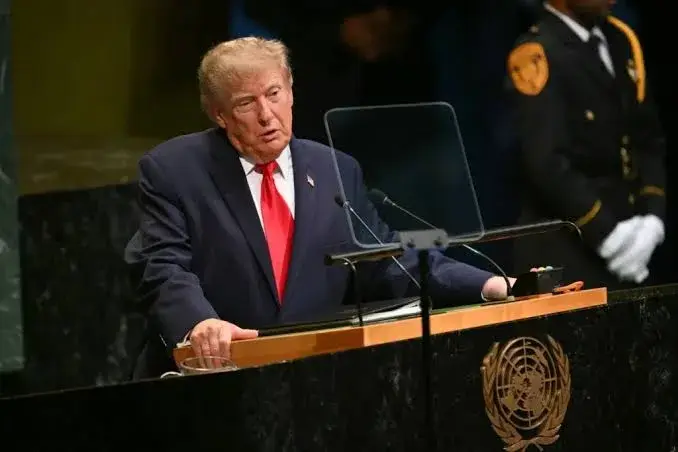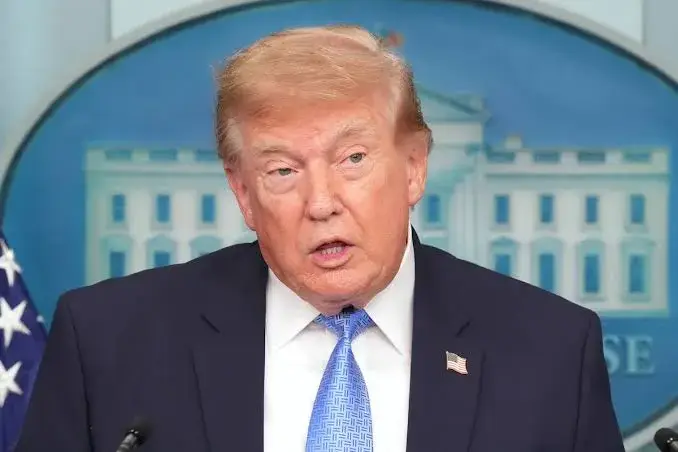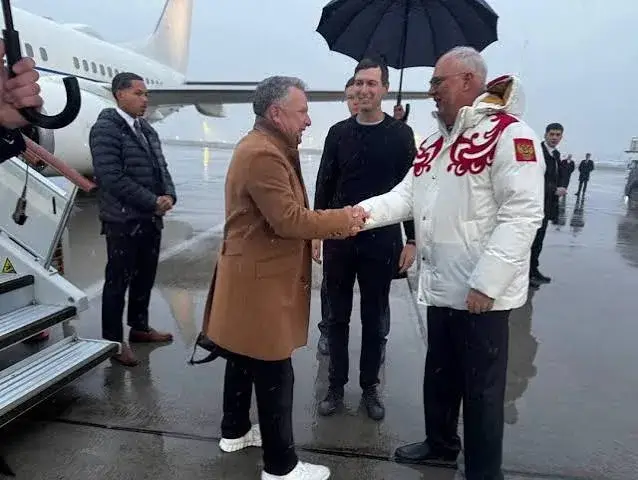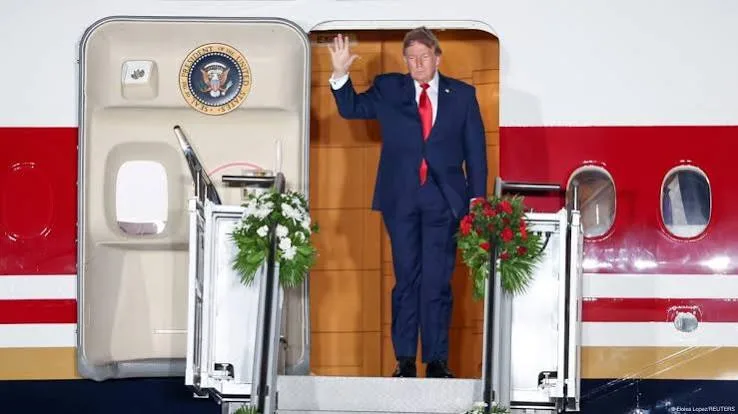
US President Donald Trump arrived in Manila on Tuesday, November 17, beginning a diplomatic trip that will take him from the Philippines to China.
His visit comes as Washington seeks to manage its strained relationship with Beijing. Both countries face unresolved disagreements over tariffs, critical minerals and access to advanced technology.
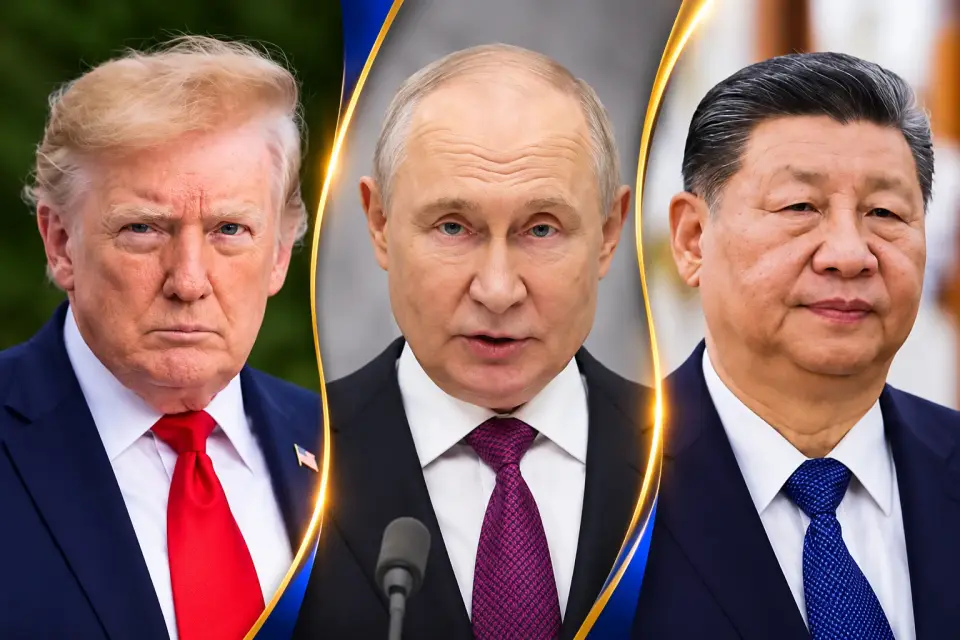
Trump is also expected to meet Chinese President Xi Jinping in Shenzhen. Russian President Vladimir Putin could join them for discussions involving nuclear arms control, although the proposed three-way meeting remains uncertain.
The visit follows significant political setbacks at home for Trump’s Republican Party. It also comes amid fresh controversy over American restrictions on advanced artificial intelligence chips.
Trump Begins Asia Tour With Manila Meetings
Trump arrived in Manila as the Philippines hosted the 49th Association of Southeast Asian Nations (ASEAN) Summit and related meetings.
He began his regional engagements with leaders of the Quad, a strategic partnership involving the United States, Australia, India and Japan.
The four countries discussed cooperation across the Indo-Pacific region, including security and technology.
Trump announced plans for a joint exercise involving maritime patrol aircraft. The group also reaffirmed an initiative to accelerate artificial intelligence development among participating countries.
The Quad meeting was its first in two years. It also marked Trump's first gathering with the group since returning to the White House.
The partnership has drawn attention from Beijing, which has previously criticised it as an effort to contain China's influence. Its members, however, maintain that their cooperation is not directed against any single country.
Trump is also scheduled to meet Philippine President Ferdinand Marcos Jr. The two leaders are expected to reaffirm their countries' longstanding defence alliance.
Their discussions come amid continuing tensions between Chinese and Philippine vessels in the South China Sea.
Trade Truce and Tariffs Loom Over Trump-Xi Meeting
The most closely watched part of Trump's trip will be his expected meeting with Xi Jinping in Shenzhen.
The two leaders are due to attend the Asia-Pacific Economic Cooperation (APEC) summit, scheduled for November 18 and 19.
Their discussions come after months of trade tensions and negotiations. The two countries have maintained a fragile trade truce, but several major disagreements remain unresolved.
The arrangement suspends selected trade measures rather than removing all tariffs and restrictions.
China has extended some suspensions until January 10, 2027. These include an additional 24 per cent tariff on certain US imports, while a 10 per cent duty remains in place.
Washington is also pressing Beijing to honour commitments involving agricultural purchases and the supply of rare earths and other critical minerals.
These materials are essential to industries producing electric vehicles, electronics, wind turbines and military equipment.
The trade dispute matters far beyond the two countries. Disruptions to supply chains could affect manufacturers, businesses and consumers worldwide.
However, analysts have cautioned against expecting a major breakthrough from the Shenzhen meeting. Maintaining the existing trade truce may prove more realistic than resolving every disagreement.
AI Chips and Nuclear Arms Control Add to the Agenda
Technology is another major source of tension between Washington and Beijing.
The United States has imposed restrictions on China's access to advanced American semiconductor chips. These powerful processors are important for developing artificial intelligence systems and other high-performance computing technologies.
Washington argues that such controls are necessary to protect national security and prevent sensitive technology from reaching unauthorised users.
Beijing views the restrictions as part of a broader effort to limit China's technological development.
The disagreement has become more complicated following allegations involving Nvidia, advanced chip exports and a suspected Chinese intelligence connection. The allegations have intensified scrutiny of how American technology reaches overseas customers.
The Trump administration is also facing internal disagreements over how tightly to control chip exports.
Treasury Secretary Scott Bessent has pushed for stronger restrictions, while other officials have raised concerns about the possible impact on trade relations.
The dispute could complicate Trump's efforts to improve relations with Xi.
Meanwhile, the possible involvement of Putin adds another major diplomatic dimension.
The proposed three-way discussions could address nuclear arms control, the wars in Ukraine and Iran, and wider security concerns.
However, the precise format and agenda remain unsettled. Trump has indicated that he is open to meeting Putin if arrangements can be made.
A possible meeting with North Korean leader Kim Jong Un has also been mentioned. Trump has said he would be willing to meet him, but no such meeting has been confirmed.
Manila Visit Produces Trade Statement and Protests
Beyond the major-power discussions, Trump's Manila visit has already produced a trade development involving Thailand.
Trump and Thai Prime Minister Anutin Charnvirakul signed a joint statement affirming terms of a forthcoming trade agreement.
Under the proposed arrangement, Thailand would remove tariffs on most American goods and reduce several other trade barriers.
Trump also said Thailand would purchase an estimated $2.6 billion in additional American agricultural products.
However, Anutin indicated that some details still needed to be completed before the agreement could be formally finalised.
Trump's visit has also attracted opposition in the Philippine capital.
About 1,500 protesters gathered in Manila ahead of his arrival, criticising American influence and calling for an independent Philippine foreign policy.
Some demonstrators also opposed the US-led Pax Silica initiative, which seeks to strengthen cooperation around technology and supply chains.
The Philippine authorities deployed nearly 23,000 police officers and other security personnel for the summit.
The demonstrations highlight the competing views surrounding Washington's growing engagement with the region.
For the Philippines, maintaining its defence relationship with the United States remains important. However, its economic and geographical relationship with China makes regional diplomacy particularly sensitive.
Trump is expected to complete his Philippine engagements before travelling to Shenzhen for the APEC summit.
The outcome of his discussions with Xi could influence trade relations, technology restrictions and the wider balance of power in the Indo-Pacific.
For now, the biggest question is whether the leaders can preserve their fragile economic truce while managing disagreements that extend well beyond tariffs.