President Donald Trump has formally established the Oval Office as a national monument, using century-old executive conservation powers to protect the executive suite from future structural alterations. The proclamation, signed at the White House, extends federal landmark protections to the Oval Office, the Outer Oval Office, and the adjacent Cabinet Room under the Antiquities Act of 1906.
The White House described the decision as a necessary step to safeguard the physical character of the executive branch's most iconic workspaces. By elevating the rooms beyond their existing National Historic Landmark status, the administration aims to impose strict preservation protocols on future occupants seeking to alter the layout or structure of the West Wing.
Invoking Antiquities Act for West Wing Workspaces
The presidential action relies on Section 320301 of Title 54 of the United States Code, a statute historically employed by chief executives to preserve natural canyons, prehistoric ruins, and historic battlefields on public lands. In applying the conservation authority to the interior of an active executive building, the proclamation breaks historic precedent.
Under the directive, the Secretary of the Interior is tasked with drafting a comprehensive preservation and management blueprint in coordination with the Committee for the Preservation of the White House. The framework mandates formal documentation, multi-agency impact reviews, and structural consultations before any agency can consider substantially altering or modifying the designated rooms.
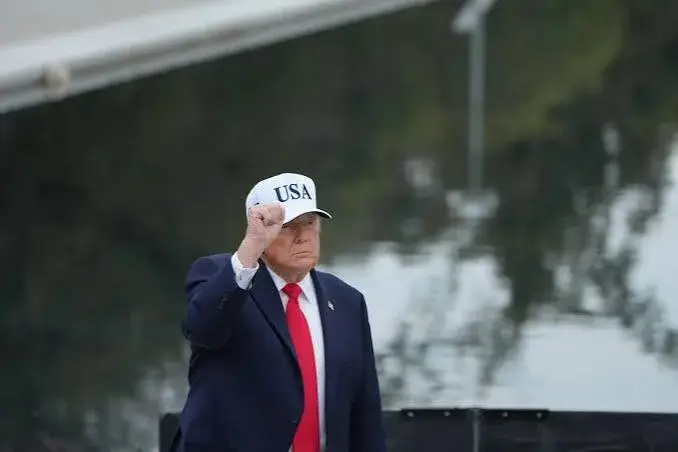
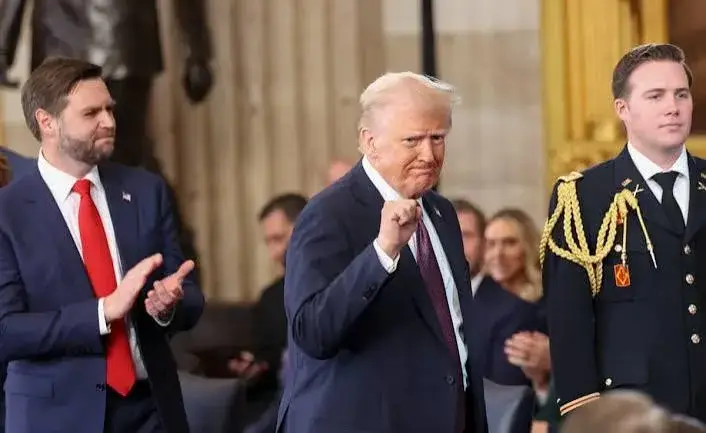
Speaking during the signing event, Trump framed the directive as a permanent barrier against future remodeling plans. He argued that the distinctive architecture, refined during President Franklin D. Roosevelt’s tenure, holds unmatched historical significance that must remain intact for future generations.
Legal Limits and Redecoration Realities
Despite the sweeping language of the proclamation, constitutional scholars and legal analysts note that its practical authority over future administrations remains highly uncertain. Under established executive practice, incoming commanders-in-chief retain broad discretion to select furnishings, hang personal artwork, switch curtains, and swap historic carpets within the executive suite.
Legal experts also emphasize that executive orders and Antiquities Act proclamations do not create irrevocable statutory law. A successor in the White House could issue a counter-proclamation narrowing the scope of the monument or revoke the management guidelines drafted by the Department of the Interior.
Previous legal disputes surrounding monument boundaries have established that executive designations are vulnerable to revision by subsequent presidents. While the proclamation imposes immediate administrative hurdles on structural demolition or major architectural remodeling, it cannot legally prevent a future president from redecorating their daily working office.
Political Significance and Symbolic Timing
The timing of the monument proclamation carried significant political symbolism, arriving directly following turbulent midterm elections in Washington. Observers view the initiative as an intentional effort to memorialize the administration’s aesthetic imprint on the executive mansion, which has featured prominent gilded accents, classical portraiture, and traditional design elements.
Historians point out that while the White House complex has undergone massive reconstruction over two centuries, the core footprint of the modern West Wing has remained largely unchanged since the 1930s. As the Department of the Interior begins drafting formal preservation guidelines, federal courts and future administrations will ultimately determine how much authority this conservation statute wields inside the working heart of the American presidency.