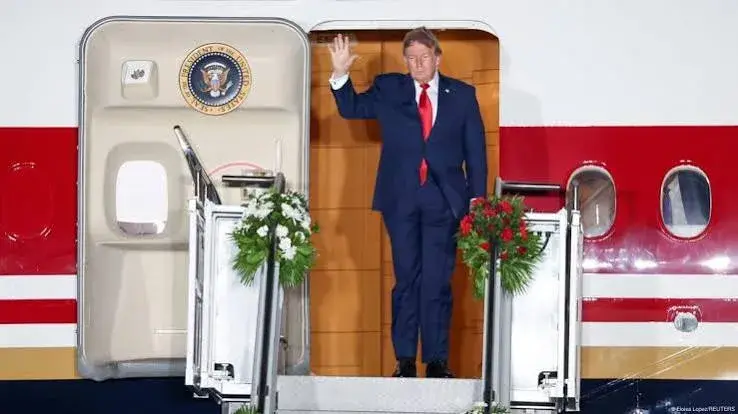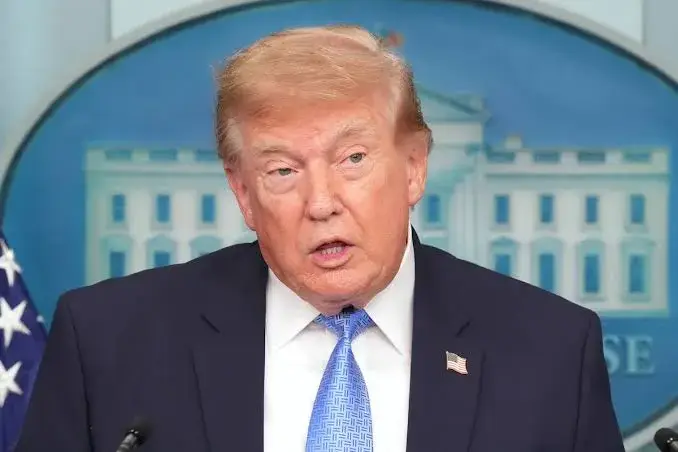
US President Donald Trump is scheduled to meet NATO Secretary-General Mark Rutte on Wednesday, November 25, in Florida.
The meeting comes as Washington intensifies diplomatic efforts to end Russia's war against Ukraine.
The White House announced that the two leaders would meet late Wednesday afternoon in Palm Beach.
NATO separately confirmed that Rutte would visit the United States on November 24 and 25. The alliance identified Mar-a-Lago as the venue for Wednesday's meeting.
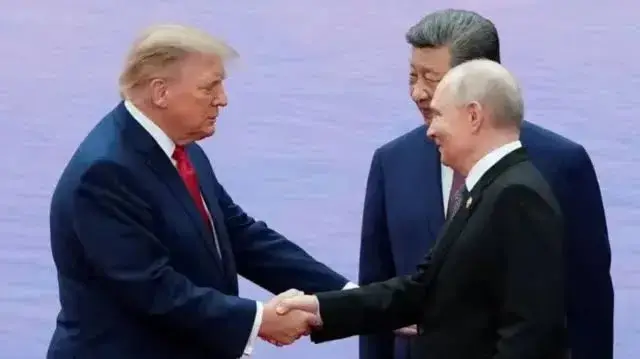
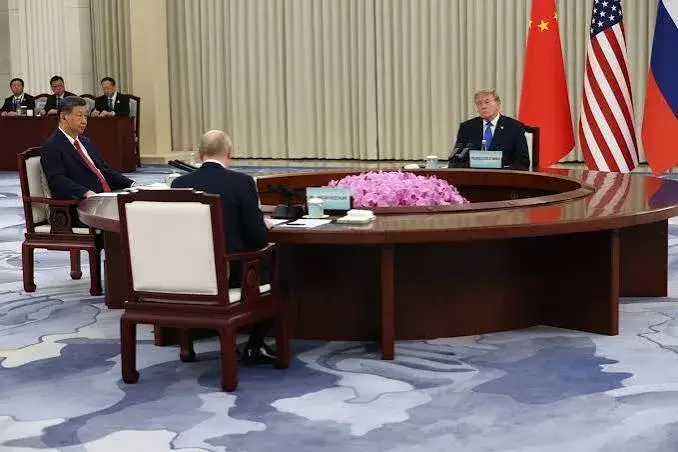
The discussions come after Trump's recent meetings with Russian President Vladimir Putin and Chinese President Xi Jinping in Asia.
Those diplomatic engagements have attracted attention from European governments and Washington's political opponents.
European allies are particularly concerned about their role in negotiations affecting the continent's security.
According to Reuters, Rutte has repeatedly worked to maintain Trump's support for NATO despite disagreements over defence spending and allied responsibilities.
Ukraine's Security Guarantees Remain a Major Concern
One of the central issues surrounding the meeting is Ukraine's future security.
Kyiv wants assurances that Russia will not launch another invasion after any peace agreement.
The question has become increasingly important as American-led negotiations seek an end to the fighting.
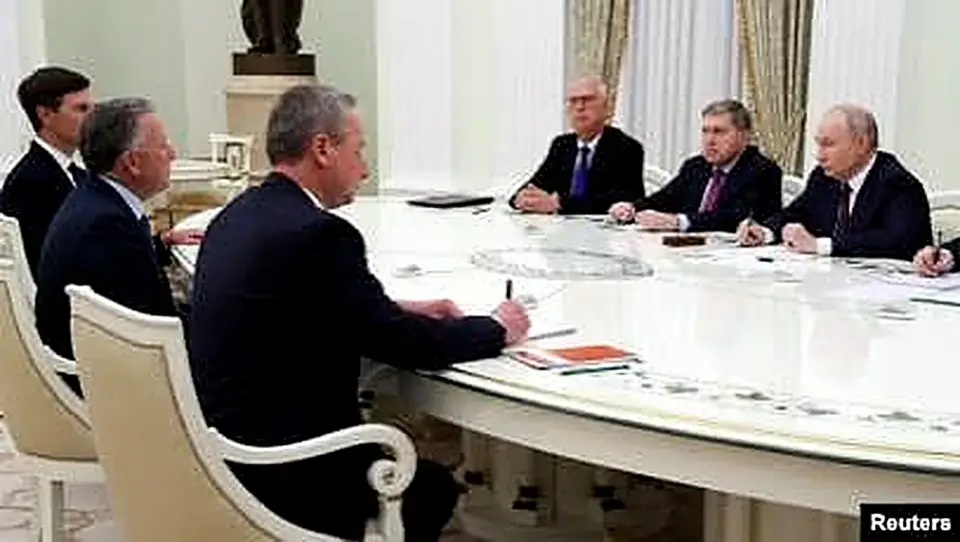
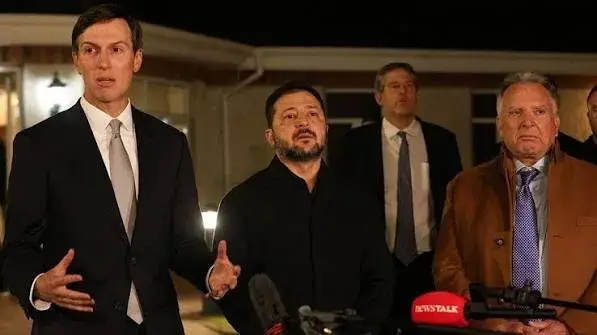
Trump's special envoy, Jared Kushner, recently indicated that the administration was open to security guarantees based on NATO's Article 5 mutual defence arrangement.
Article 5 is the alliance's collective defence provision. It establishes that an armed attack against one NATO member is considered an attack against all.
However, applying similar guarantees to Ukraine would require detailed political and security arrangements.
Ukraine is not currently a NATO member. Therefore, it does not automatically receive the protection provided by Article 5.
The possibility of alternative security guarantees has become a major part of discussions involving Washington, Kyiv and European governments.
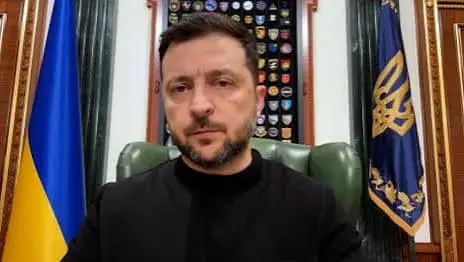
Ukrainian President Volodymyr Zelenskyy has also insisted that Europe must participate in decisions concerning Ukraine's future.
The discussions therefore extend beyond ending the current fighting. They also concern how Ukraine can remain secure afterwards.
European Allies Want a Voice in Ukraine's Future
Europe's involvement has become another important issue in the negotiations.
Several European governments want guarantees that any agreement will protect their security interests.
They also fear that decisions made without their participation could weaken Europe's long-term defence arrangements.
Rutte has publicly supported efforts to bring peace to Ukraine.
During a November 19 meeting of the Coalition of the Willing, he highlighted two priorities.
First, he called for collective efforts to achieve peace. Second, he stressed the need to keep Ukraine supplied with weapons and other support while the war continues.
He also welcomed the involvement of European representatives in discussions with the United States and Ukraine.
His comments reflect NATO's position that diplomatic efforts must consider Ukraine's immediate defence needs.
The alliance has continued coordinating military assistance with participating countries.
Meanwhile, European governments remain concerned about the terms of a possible settlement with Moscow.
The question is whether negotiations can produce an agreement that Ukraine and its European partners consider sustainable.
Trump's Recent Contacts With Putin Add Diplomatic Pressure
The Florida meeting follows Trump's recent diplomatic engagements with Putin and China's President Xi Jinping.
Trump's description of both leaders as friends attracted criticism from some American politicians and European observers.
For NATO, maintaining communication between major powers is important. However, such engagements also raise questions about the future direction of Western security cooperation.
Rutte defended the importance of dialogue between nuclear powers.
In his November 19 remarks, he argued that meetings between major nuclear powers were normal.
He also praised Trump's efforts to secure peace in Ukraine.
Nevertheless, the broader diplomatic situation remains complicated.
Russia has continued to pursue demands concerning Ukraine's territorial future and its relationship with NATO.
Ukraine, meanwhile, has maintained that any settlement must protect its sovereignty.
Recent reporting also indicates that American negotiators have discussed different possibilities for Ukraine's future security arrangements.
One proposal involves a possible NATO membership discussion, while another centres on treaty-based guarantees.
However, these discussions do not represent an agreed settlement.
Russia has opposed Ukraine's NATO ambitions, while several major disagreements remain unresolved.
What the Trump–Rutte Meeting Could Mean for NATO
The meeting could provide an important opportunity to discuss the future relationship between Washington and its European allies.
NATO depends heavily on cooperation among its members, particularly in military planning, intelligence sharing and collective defence.
Trump has repeatedly questioned how much financial responsibility the United States should carry within the alliance.
European governments, therefore, have a strong interest in maintaining American involvement in regional security.
Ukraine's future adds another layer of complexity.
A peace agreement without credible security arrangements could leave the country vulnerable to renewed conflict.
On the other hand, guarantees that lack broad international support could create further disagreements between Russia and Western governments.
The meeting also comes amid wider concerns about European defence readiness.
NATO must balance diplomatic efforts with its responsibility to protect member countries.
An important outstanding question remains: Can Washington and its European allies agree on a security framework that protects Ukraine without creating further divisions within NATO?
As of November 25, the meeting is scheduled to take place. No detailed official account of its outcome has been established in the sources reviewed.
Its significance will ultimately depend on whether the discussions produce concrete commitments or simply reinforce existing diplomatic positions.