
Trump Sanctions ICC Over Prosecution of Americans, Vows to Cripple Court
Washington has escalated its confrontation with the International Criminal Court, threatening its access to US financial services and technology as allies rally to defend the tribunal.
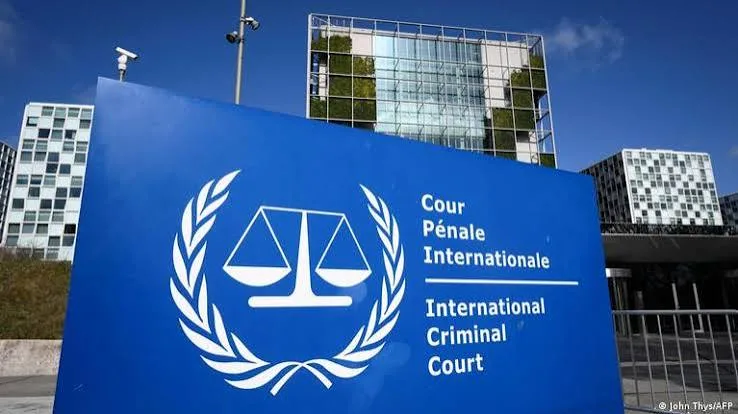
The administration of US President Donald Trump has imposed sweeping sanctions on the International Criminal Court (ICC), escalating its campaign against the tribunal over investigations involving American personnel and Israeli leaders. Announcing the measures on Friday, October 9, Secretary of State Marco Rubio said Washington would cut off transactions with the court and restrict its access to resources, warning that the United States would continue efforts to dismantle the institution if it maintained what the administration considers an unacceptable threat to American sovereignty.
The measures go beyond the earlier sanctions imposed on individual judges, prosecutors and people associated with the court. By targeting the ICC as an institution, Washington is seeking to disrupt its access to US-based financial services, technology providers and transactions involving the US dollar. American companies and individuals with business ties to the court have been given a six-month period to wind down affected activities, while exemptions temporarily permit certain transactions needed to maintain the ICC’s operations. The practical impact will therefore depend partly on how those exemptions are applied and whether other countries can shield the court from the restrictions.
Rubio defended the decision by arguing that the court was exceeding its authority by pursuing cases involving nationals of countries that have not joined the Rome Statute, the treaty that established the ICC. The United States is not a member of the court and has long resisted the prospect of its military personnel or government officials being prosecuted by an international tribunal. The Trump administration has also accused the ICC of politicisation and of unfairly targeting the United States and its allies.
The dispute centres partly on the court’s investigation into alleged crimes by US forces and intelligence personnel in Afghanistan, as well as its arrest warrants for Israeli Prime Minister Benjamin Netanyahu and former defence minister Yoav Gallant over alleged war crimes in Gaza. The warrants and investigations are legal proceedings, not convictions. Washington rejects the court’s authority in these cases, while the ICC maintains that its jurisdiction can extend to alleged crimes committed on the territory of a member state, even when the accused person is a national of a country that has not joined the treaty.
The ICC condemned the sanctions as an attempt to obstruct justice and intimidate people working for, or cooperating with, the court. Its president, Tomoko Akane, said the tribunal would continue carrying out its mandate independently and impartially, relying on law and evidence. She also called on member states to support the institution, arguing that the dispute was about more than the future of one court: it concerned the international system established to hold perpetrators of serious crimes accountable.
The response from Washington’s allies has been unusually direct. The United Nations secretary-general, António Guterres, condemned the decision, saying it dealt a serious blow to the international pursuit of criminal justice. Canada, Denmark, France, Germany, Italy, Japan, the Netherlands and the United Kingdom also expressed strong disagreement with the sanctions and reaffirmed their support for the ICC. The European Commission said it was prepared to take measures to protect the court’s work and the interests of European businesses affected by the US restrictions.
The Netherlands, which hosts the ICC in The Hague, has been preparing for the possibility of the sanctions disrupting the court’s operations. One option under discussion is the European Union’s so-called blocking statute, a legal mechanism that can help protect European companies from the effects of certain foreign sanctions. Such a response could create a difficult choice for international businesses operating across both markets, particularly if compliance with US restrictions conflicts with European obligations. The Dutch government has also stressed that the six-month transition period leaves room for diplomatic engagement.
Not everyone has opposed Washington’s decision. Netanyahu welcomed the sanctions, describing the ICC as a political body that threatens national sovereignty and democratic states. Human Rights Watch and Amnesty International, by contrast, warned that the measures could weaken international accountability and make it harder to investigate grave crimes. Their concern is that restricting the court’s resources could affect not only cases involving Americans or Israelis but also investigations and prosecutions concerning victims in other conflict zones.
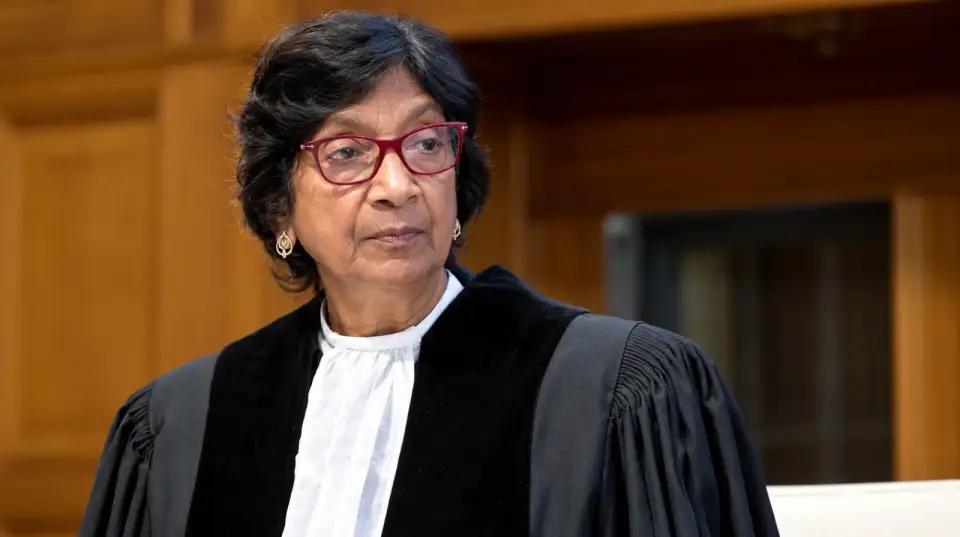
The announcement also came on the day South African jurist Navi Pillay, a former ICC judge and former UN human rights chief, was awarded the 2026 Nobel Peace Prize. The timing drew attention to the contrasting international positions on accountability, although the sanctions campaign had been developing before the Nobel announcement. The administration had already intensified pressure on the court and urged other countries to withdraw their support.
Founded under the Rome Statute and operating since 2002, the ICC investigates and prosecutes individuals accused of genocide, crimes against humanity, war crimes and the crime of aggression within the limits of its jurisdiction. It is intended to complement national justice systems rather than replace them, intervening under specified conditions when countries are unwilling or unable genuinely to investigate and prosecute relevant crimes. Its reach remains limited by questions of jurisdiction, cooperation and enforcement, since the court has no independent police force and relies heavily on states to arrest suspects and execute its decisions.
The confrontation now puts that reliance on international cooperation under pressure. The United States has significant influence over global finance and technology, but European governments and other ICC members may be able to reduce some of the damage if they coordinate their response. Whether they can do so without triggering a wider dispute with Washington remains uncertain. The stakes extend well beyond the court’s immediate finances: the outcome will help determine whether international institutions can investigate alleged atrocities involving powerful countries and their allies, or whether economic and diplomatic pressure can make such scrutiny increasingly difficult.
More on Global
Global
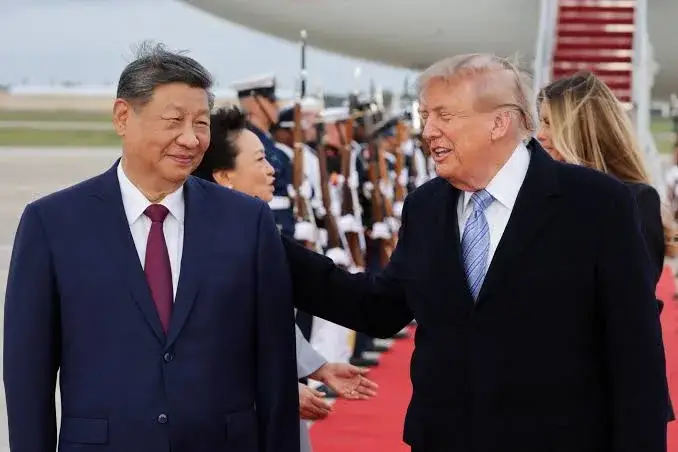
Trump Welcomes Xi to Washington Amid Talks on Trade and Global Security
25 Sept 2026
Global
Nearly 1 Million Americans Begin Receiving $500 Obamacare Refund Checks
1 Oct 2026
Global
US Suspends Microsoft, Infosys, Wipro and Major IT Firms From Green Card Programme
8 Oct 2026
Global
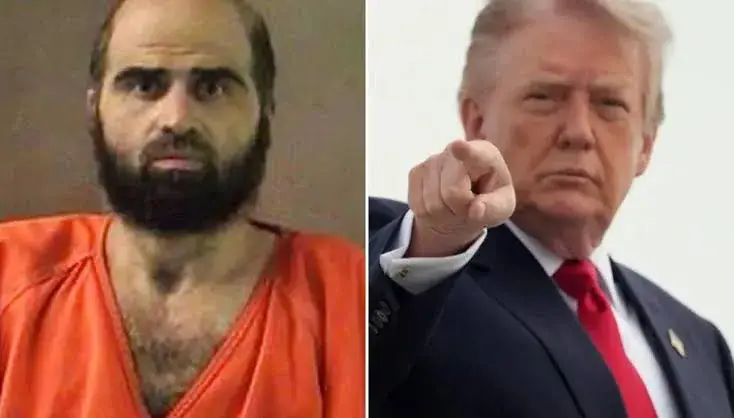
Trump Approves Firing Squad Execution of Nidal Hasan 17 Years After Fort Hood Massacre
7 Oct 2026
Global
Hormuz Crisis: Trump Rejects Iran’s Seven-Day Reopening Plan
28 Sept 2026
You may also like
Global
CNN, MS NOW and Politico Return to White House After Judge Restores Access
24 Sept 2026
Global
Lula Says Trump Has No Right to Govern Other Countries
24 Sept 2026
Global
White House Launches “Trump TV” After Major US Networks Lose Access
23 Sept 2026
Global
South African Jurist Navi Pillay Wins 2026 Nobel Peace Prize for Human Rights Work
9 Oct 2026
Global
Andy Burnham Unveils 10-Year Plan to Reshape Britain’s Public Services
29 Sept 2026

Global
Cape Winelands Airport Set for April 2027 Redevelopment as Cape Town’s Second International Gateway
29 Sept 2026