
Lula Says Trump Has No Right to Govern Other Countries
Brazil’s president defended national sovereignty after criticizing Donald Trump’s comments on global leadership during the UN General Debate.
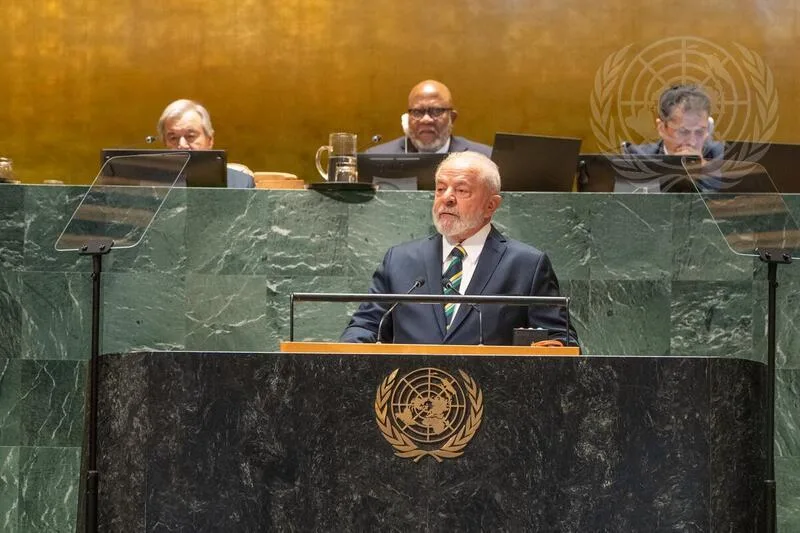
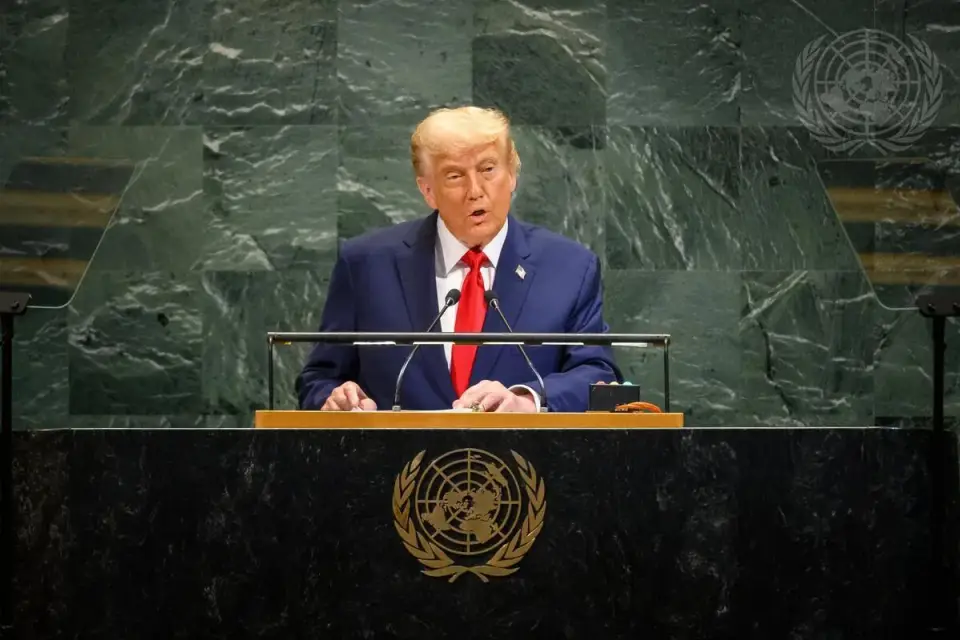
Brazilian President Luiz Inácio Lula da Silva has declared that US President Donald Trump has no right to govern other countries, delivering a strong defense of national sovereignty as global leaders gathered for the 81st United Nations General Assembly in New York. The remarks came after Trump’s address to the General Debate, where he outlined an assertive vision of American leadership and issued stark warnings on international conflicts.
Speaking to journalists after the UN proceedings, Lula said no nation should seek to dictate the political direction of another, arguing that countries must be free to determine their own future without external interference. His comments reinforced Brazil’s longstanding foreign policy emphasis on multilateralism, dialogue and respect for the sovereignty of independent states.
The exchange followed Trump’s forceful UN speech, in which he warned Iran that it faced a choice between reaching an agreement with the United States or suffering devastating consequences. The American president also criticized international institutions and defended a foreign policy centered on what he described as putting US interests first, remarks that drew mixed reactions from world leaders attending the General Assembly.
Lula, who traditionally delivers the opening address at the UN General Debate on behalf of Brazil, used his own appearance to advocate peaceful conflict resolution, international cooperation and stronger global institutions. Brazil has held the distinction of opening the General Debate since 1955, a diplomatic tradition that reflects the country’s historic role within the United Nations.
The differing messages from Brasília and Washington highlight competing visions of global governance. While Trump has argued for a more unilateral approach rooted in national power, Lula has consistently promoted negotiation, regional cooperation and collective action on issues ranging from climate change to international security.
Analysts say the public disagreement is less about bilateral relations than about the broader direction of international diplomacy at a time of rising geopolitical tension. The UN General Assembly has increasingly become a platform where competing worldviews are presented side by side, with leaders seeking to shape global opinion as much as policy.
Lula’s remarks underscore an enduring debate at the heart of international relations: whether global stability is best achieved through the influence of powerful nations or through equal respect for the sovereignty of every state. As conflicts and strategic rivalries intensify, that question is likely to remain central to diplomacy far beyond this year’s UN gathering.
More on Global
Global
U.S. House Votes to Rein In Trump’s War Powers Over Iran
16 Sept 2026
Global
Trump Tells UN Iran Must Choose Between a Deal or “Annihilation”
22 Sept 2026
Global
Trump–Media Clash Escalates as US Networks Suspend Coverage
21 Sept 2026
Global
White House Strips CNN of Monday Pool Assignment After Trump Ban
21 Sept 2026
Global
CNN, MS NOW and Politico Reporters Denied White House Access After Trump’s Ban
19 Sept 2026
You may also like
Global
Trump Approves $2.8 Billion Arms Sale to Israel Amid Rising Middle East Tensions
16 Sept 2026
Global
UN General Debate Opens Today as World Leaders Gather in New York
22 Sept 2026
Global
Trump Says Iran Faces ‘Economic Destruction’ Unless New Deal Is Reached
21 Sept 2026
Global
Trump Signs Russia Sanctions Bill, But Keeps Door Open for Strategic Deals
19 Sept 2026
Global
U.S. Opens Faster Airport Immigration Clearance to Citizens of 23 Countries
18 Sept 2026
Global
U.S. to Let Iranian Leaders Attend U.N. General Assembly Despite Wartime Tensions
17 Sept 2026