US Suspends Microsoft, Infosys, Wipro and Major IT Firms From Green Card Programme
The Trump administration has suspended eight major technology companies from a key U.S. green-card process, accusing them of abusing foreign-worker programmes and putting American jobs at risk.
The Trump administration has suspended Microsoft, Adobe, Infosys, Wipro, Tata Consultancy Services and four other major technology companies from a U.S. labour-certification programme used by employers to sponsor skilled foreign workers for permanent residency.
U.S. Labor Secretary Keith Sonderling announced the action on Thursday, saying the Department of Labor would no longer accept new applications or process pending applications under the Permanent Labor Certification, or PERM, programme involving the targeted companies. The administration says the move is part of a wider campaign against what it describes as fraud and misuse of foreign-worker programmes.
The companies affected are Microsoft, Adobe, Cognizant, Infosys, Tata Consultancy Services (TCS), Wipro, HCL Technologies and Capgemini. The Labor Department said Microsoft and Adobe were suspended in connection with multiple active federal investigations, while the other technology companies were also blocked from submitting or advancing PERM applications.
PERM is an important step in the U.S. employment-based immigration system. Before sponsoring many foreign employees for permanent residency, an employer generally has to demonstrate to the Labor Department that there are not sufficient qualified, willing and available U.S. workers for the position and that employing the foreign worker will not adversely affect the wages and working conditions of similarly employed American workers.
The suspension does not, by itself, cancel H-1B visas held by workers at the affected companies. Instead, it interrupts a key route through which employers can move eligible foreign employees toward permanent residency. That could be particularly significant for workers already navigating lengthy employment-based green-card backlogs.
Vice President JD Vance, who has taken a prominent role in the administration's anti-fraud efforts, singled out Microsoft during the announcement. He pointed to the company's layoffs in 2025 and questioned how the company could reduce its U.S. workforce while continuing to use foreign-worker programmes.
Vance alleged that Microsoft laid off around 6,000 American employees in 2025, while also securing more than 6,000 H-1B approvals and filing thousands of PERM applications. He argued that companies should first demonstrate that qualified American workers cannot fill positions before relying on foreign labour.
Microsoft has rejected the suggestion that it is using immigration programmes to replace American workers. The company said the vast majority of its U.S. workforce is American, while about 80% of its H-1B applications last year involved extensions or changes of status for existing employees rather than bringing new workers into the country. Microsoft also said its H-1B employees are paid the same as other employees doing comparable work and that it follows the requirements of the programme.
The Labor Department defended its action by pointing to the scale of foreign-worker applications associated with the affected companies. Sonderling said that, collectively, the companies had sought nearly 3 million foreign workers since 2009, received more than 230,000 H-1B approvals and obtained more than 100,000 permanent labour certifications. He argued that the figures demonstrate the scale of the issue the administration wants to address.
Those figures, however, represent government applications and approvals over many years and should not be interpreted as evidence that millions of American jobs were displaced. The administration's claim that foreign workers have taken jobs from Americans is part of its policy argument, while the companies and their supporters maintain that skilled immigration fills specialised positions and supports the wider U.S. economy.
The action is especially significant for the large Indian technology-services industry. Infosys, TCS, Wipro, HCL and Cognizant are major employers of Indian professionals in the United States, and many foreign workers use the H-1B system as part of a longer immigration pathway. A prolonged PERM suspension could therefore complicate the plans of employees who are already working in America and waiting for employer-sponsored permanent residency.
The administration's move is part of a much broader tightening of U.S. immigration policy. The Trump administration has already pursued tougher restrictions and higher costs affecting skilled foreign workers, while officials have increasingly argued that immigration programmes should be limited to circumstances where American workers cannot fill available positions.
The crackdown is also extending beyond technology companies. Labor Department Inspector General Anthony D'Esposito announced investigations into nine major U.S. universities over allegations involving the use of international student and exchange-visitor programmes to reduce labour costs. The institutions named include Harvard, Yale, Stanford, MIT and the University of Pittsburgh, among others. Officials said subpoenas had already been issued.
For foreign professionals already employed by the affected companies, the immediate concern is uncertainty. The suspension could delay new PERM filings and pending cases, potentially making an already lengthy green-card process even more difficult. Workers approaching limits on temporary immigration status could face particular complications if their permanent-residency process is interrupted, although the precise consequences will depend on individual circumstances and the duration of the government action.
The timing also creates an unusual contrast for Microsoft. On the same day the administration announced the suspension, Microsoft CEO Satya Nadella was scheduled to receive the National Medal of Technology and Innovation from President Donald Trump. Nadella, who moved to the United States from India and has led Microsoft since 2014, has become one of the most prominent technology executives in the country.
The broader significance of the decision reaches beyond the eight companies. The United States is attempting to redefine the balance between protecting domestic employment and maintaining access to international technical talent. For Washington, suspending PERM access is a way to pressure large employers to demonstrate greater reliance on American workers; for technology companies, it could complicate recruitment and retention of highly skilled employees. And for thousands of foreign professionals, particularly Indian workers facing long green-card queues, the decision could add another layer of uncertainty to an already difficult path toward permanent residency in the United States.
More on Global
Global
White House Launches “Trump TV” After Major US Networks Lose Access
23 Sept 2026
Global
Trump–Media Clash Escalates as US Networks Suspend Coverage
21 Sept 2026
Global
Trump Approves Firing Squad Execution of Nidal Hasan 17 Years After Fort Hood Massacre
7 Oct 2026
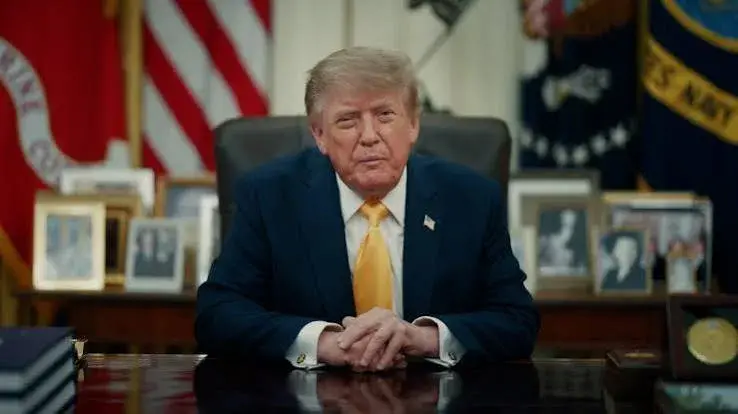
Global
Nearly 1 Million Americans Begin Receiving $500 Obamacare Refund Checks
1 Oct 2026

Global
Hormuz Crisis: Trump Rejects Iran’s Seven-Day Reopening Plan
28 Sept 2026
You may also like
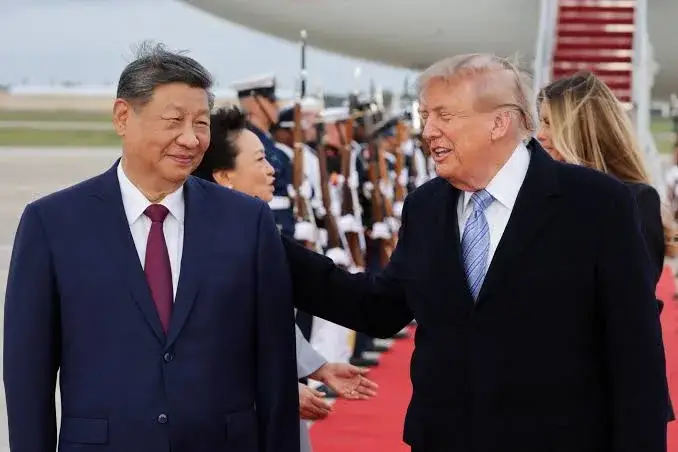
Global
Trump Welcomes Xi to Washington Amid Talks on Trade and Global Security
25 Sept 2026
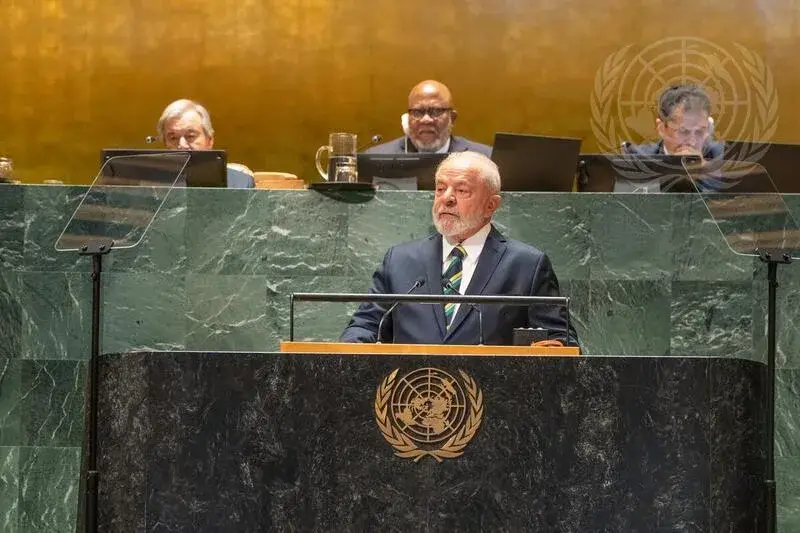
Global
Lula Says Trump Has No Right to Govern Other Countries
24 Sept 2026

Global
Andy Burnham Unveils 10-Year Plan to Reshape Britain’s Public Services
29 Sept 2026
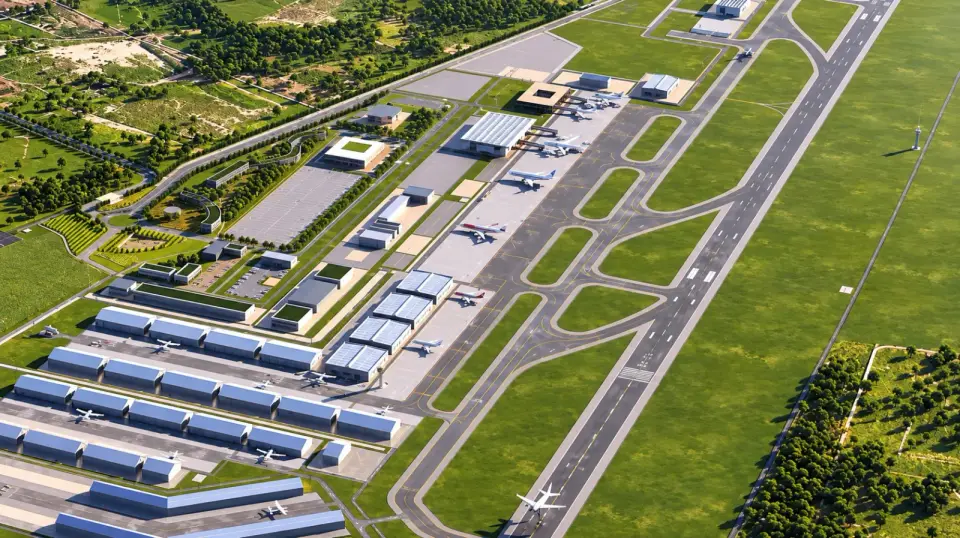
Global
Cape Winelands Airport Set for April 2027 Redevelopment as Cape Town’s Second International Gateway
29 Sept 2026

Global
UK Intensifies Defence Talks as Russian Security Threats Grow
26 Sept 2026
Global
Trump Tells UN Iran Must Choose Between a Deal or “Annihilation”
22 Sept 2026