
Trump Approves Firing Squad Execution of Nidal Hasan 17 Years After Fort Hood Massacre
President Donald Trump has approved the firing-squad execution of former Army psychiatrist Nidal Malik Hasan, 17 years after the Fort Hood massacre.
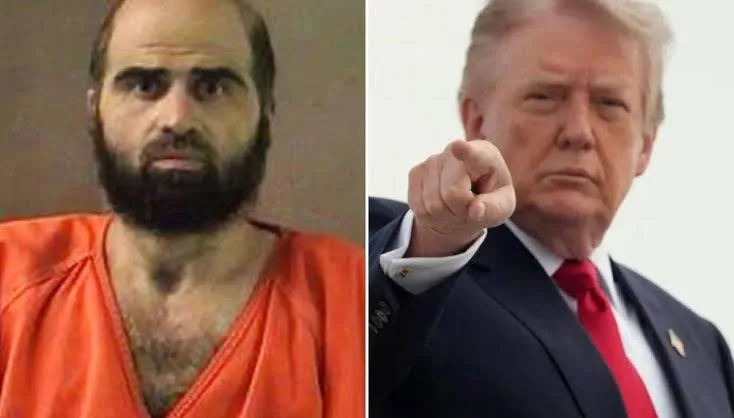
President Donald Trump has approved the execution of former U.S. Army Major Nidal Malik Hasan by firing squad, clearing a major step toward carrying out the death sentence imposed for the 2009 Fort Hood shooting that killed 13 people and wounded 32 others.
The Pentagon said Defense Secretary Pete Hegseth recommended the firing-squad method and Trump approved it. The Army has now set December 3, 2026 as the execution date, according to reporting to victims' families and the Associated Press. The execution is expected to take place at Fort Hood, Texas, where the attack occurred.
Hasan, now 56, was an Army psychiatrist when he opened fire on November 5, 2009, inside a medical facility at Fort Hood, where soldiers were undergoing processing before deployment. He was armed with a handgun fitted with a laser sight and fired 146 rounds during the attack, according to CBS News. Thirteen people were killed, including 12 active-duty soldiers and one retired serviceman, while 32 others were wounded.
Hasan was himself shot and wounded by police responding to the attack and was left paralyzed. At his 2013 court-martial, he represented himself and was convicted of 13 counts of premeditated murder and 32 counts of attempted premeditated murder. A military jury unanimously sentenced him to death.
During the proceedings, Hasan acknowledged that he carried out the shooting and argued that his actions were connected to his opposition to U.S. military operations in Afghanistan. The attack occurred shortly before he was scheduled to deploy there. His death sentence subsequently went through the military appellate process.
Trump's approval is particularly significant because presidential approval is required before a military death sentence can be carried out. An Army legal review published earlier this year noted that Hegseth had already asked Trump in 2025 to approve Hasan's death warrant, while stressing that presidential approval does not necessarily end all possible court challenges.
The method chosen is itself historically unusual. The U.S. military has not executed a service member since Army Pvt. John Bennett was hanged at Fort Leavenworth in 1961. The last known U.S. military execution by firing squad was Pvt. Eddie Slovik, who was executed by musketry in France in 1945 for desertion during World War II.
The decision also comes as the Trump administration has broadened the range of execution methods available in the federal system. Firing squads, electrocution and gas asphyxiation have been added alongside lethal injection amid continuing difficulties obtaining and administering drugs used for executions.
The firing-squad decision has drawn criticism from opponents of capital punishment. Death Penalty Action, an organization that opposes executions, condemned Trump's decision, while supporters of the death sentence have framed the move as the final step toward accountability for the Fort Hood victims.
The case is not necessarily beyond further legal challenge. Although Hasan's military conviction and death sentence have survived years of appellate proceedings, legal experts have noted that condemned military prisoners can pursue habeas corpus petitions in civilian federal courts. Such proceedings could potentially affect the timing of the scheduled execution.
For the families of those killed and the survivors of the 2009 attack, the scheduled execution represents a new and potentially final chapter in a case that has remained unresolved for 17 years. But it also reopens a broader American debate over capital punishment and execution methods, particularly when the government chooses a method as visually and historically distinctive as a firing squad.
If carried out on December 3, Hasan's execution would be the first U.S. military execution in 65 years and the first military firing-squad execution in more than eight decades. Beyond the individual case, the decision signals a renewed willingness by the U.S. government to use the military death penalty after decades of dormancy, making Hasan's scheduled execution significant not only for the Fort Hood victims but also for the future direction of military capital punishment in America.
More on Global

Global
Hormuz Crisis: Trump Rejects Iran’s Seven-Day Reopening Plan
28 Sept 2026
Global
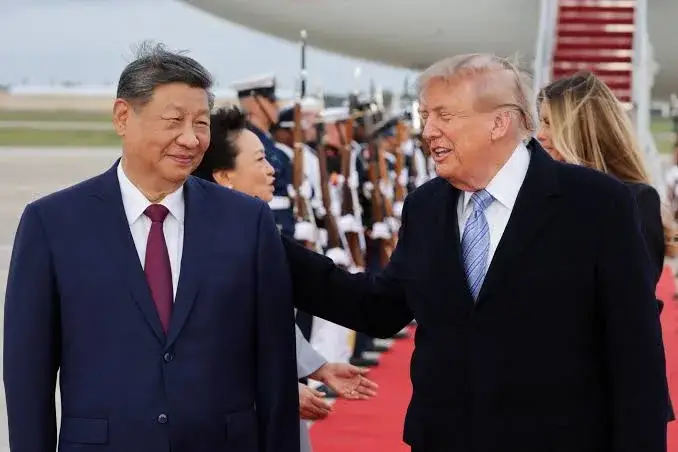
Trump Welcomes Xi to Washington Amid Talks on Trade and Global Security
25 Sept 2026
Global
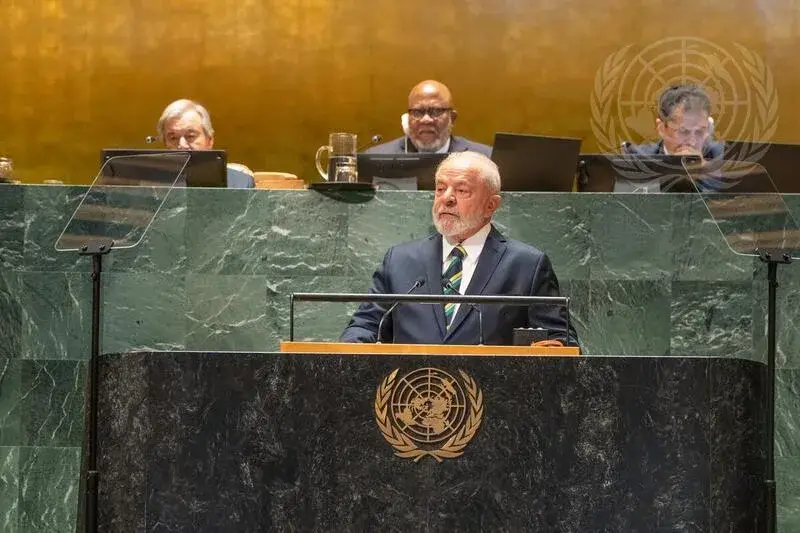
Lula Says Trump Has No Right to Govern Other Countries
24 Sept 2026

Global
Trump–Media Clash Escalates as US Networks Suspend Coverage
21 Sept 2026
Global
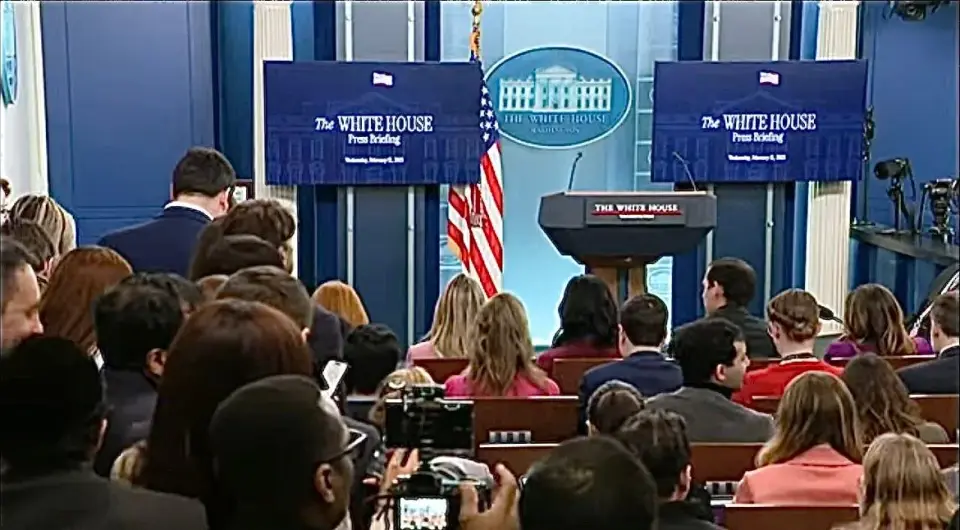
White House Strips CNN of Monday Pool Assignment After Trump Ban
21 Sept 2026
You may also like
Global
Trump Tells UN Iran Must Choose Between a Deal or “Annihilation”
22 Sept 2026
Global
Trump Says Iran Faces ‘Economic Destruction’ Unless New Deal Is Reached
21 Sept 2026

Global
Nearly 1 Million Americans Begin Receiving $500 Obamacare Refund Checks
1 Oct 2026
Global
White House Launches “Trump TV” After Major US Networks Lose Access
23 Sept 2026

Global
Norway Unveils $63.6 Billion Wealth Fund Withdrawal Plan for 2027
7 Oct 2026
Global
London’s Super-Rich Are Leaving and $160 Billion of Wealth Is at Stake
5 Oct 2026