Hormuz Crisis: Trump Rejects Iran’s Seven-Day Reopening Plan
President Donald Trump has rejected Iran’s reported seven-day proposal to reopen the Strait of Hormuz, dealing a setback to renewed diplomatic efforts aimed at easing US-Iran tensions.
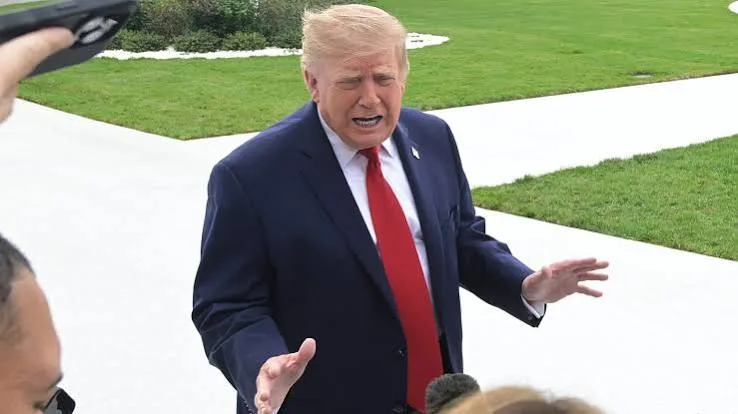
United States President Donald Trump has rejected a reported seven-day proposal by Iran to reopen the strategic Strait of Hormuz, as diplomatic efforts to end the prolonged confrontation between Washington and Tehran entered a new phase. The reported decision, first detailed by The Wall Street Journal citing US officials familiar with the matter, comes despite signals from Iranian leaders that they remain open to negotiations.
The proposal was announced by Iranian Foreign Minister Abbas Araghchi during the United Nations General Assembly (UNGA) in New York, where he said Tehran was prepared to restore normal maritime passage through the vital waterway within seven days if the United States accepted a series of conditions set out by Iran.
According to Araghchi, Iran conveyed the proposal to Washington through Qatar, placing the responsibility for implementation on the United States. He said the offer represented a concrete diplomatic pathway to reopen the strait while creating space for broader negotiations.
“Iran has conveyed to the United States, through Qatar, a concrete seven-day plan. If the necessary conditions are met, the strait can be reopened, and normal maritime passage restored within seven days,” Araghchi said at the UN, adding that Iran would not accept “coercion, threats or intimidation.”
Under the reported proposal, Tehran demanded a seven-day cessation of hostilities across the Middle East, including in Lebanon, before reopening the Strait of Hormuz. Iran also sought the lifting of US sanctions on Iranian oil exports, the release of more than $12 billion in frozen Iranian assets, and an end to what it described as the US naval blockade of Iran.
Iranian officials said the conditions were based on a memorandum of understanding (MoU) reportedly reached earlier this year as a framework for ending the conflict, reopening the waterway and resuming negotiations over Tehran’s nuclear programme. While Tehran has publicly referenced the understanding, US officials have not confirmed its existence.
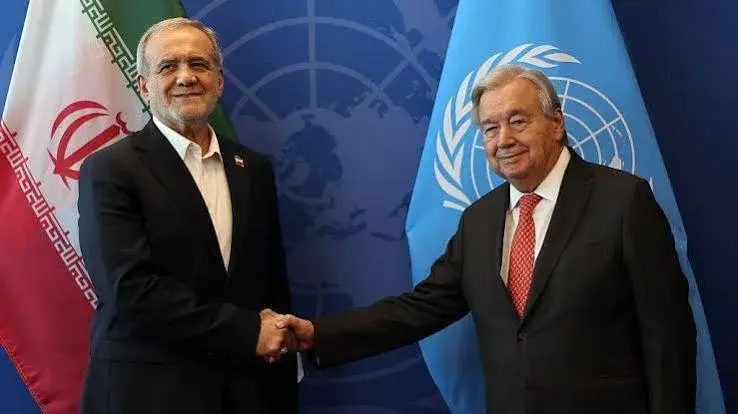
The diplomatic push continued as Iranian President Masoud Pezeshkian returned to Tehran after attending the UN General Assembly, where he held talks with UN Secretary-General António Guterres and reiterated Iran’s willingness to engage Washington through dialogue.
Speaking to Iranian state media, Pezeshkian insisted Tehran had not abandoned negotiations despite years of strained relations.
“Iran has not walked away from the negotiating table, but given past experiences, it no longer trusts the United States,” he said. Tompolo
In a separate interview, the Iranian president said implementation of the proposal could begin immediately if Washington accepted its terms.
“The process will begin from the very day they accept it. We had previously reached an agreement based on the MoU that was signed in Pakistan. If the United States agrees to proceed in that way, everything will return to the way it was before,” Pezeshkian said.
The White House has not released a detailed public statement outlining its reasons for rejecting the proposal. However, The Wall Street Journal reported that Trump was sceptical Tehran would fulfil its commitments and viewed renewed military action as a possible option if negotiations failed.
Trump also drew attention on his Truth Social platform after posting an image of the Strait of Hormuz labelled “Trump Strait,” a move that quickly sparked reactions across social media and regional political circles.
The Strait of Hormuz remains one of the world’s most strategically important maritime chokepoints. Around one-fifth of global oil consumption and significant volumes of liquefied natural gas pass through the narrow corridor linking the Persian Gulf with the Gulf of Oman, making any disruption a matter of international economic concern.
Iran maintains that vessels passing through the strait must obtain authorisation, arguing that the policy is necessary for national security and maritime sovereignty. The United States and its allies, however, insist the waterway is an international shipping lane that must remain open to unrestricted commercial navigation. The disagreement has repeatedly placed the region at the centre of military and diplomatic crises.
Earlier this week, Araghchi reportedly held talks with US envoy Steve Witkoff as part of renewed diplomatic contacts aimed at finding a negotiated exit from the conflict. Yet Trump’s reported rejection of Tehran’s latest offer has injected fresh uncertainty into those efforts.
Meanwhile, Hossein Mohebi, a spokesman for Iran’s Revolutionary Guards, said Tehran would continue its response to Washington until its demands were met.
“We will not cease punishing the US until Iran’s seven conditions are met,” he was quoted as saying by Iran’s Tasnim News Agency.
The latest exchange illustrates the fragile balance between diplomacy and confrontation in the Gulf. While both Washington and Tehran continue to signal openness to negotiations, the disagreement over the Strait of Hormuz shows that restoring trust remains the greatest obstacle to any lasting settlement, one whose outcome could shape regional security, global shipping and energy markets well beyond the Middle East.
More on Global
Global
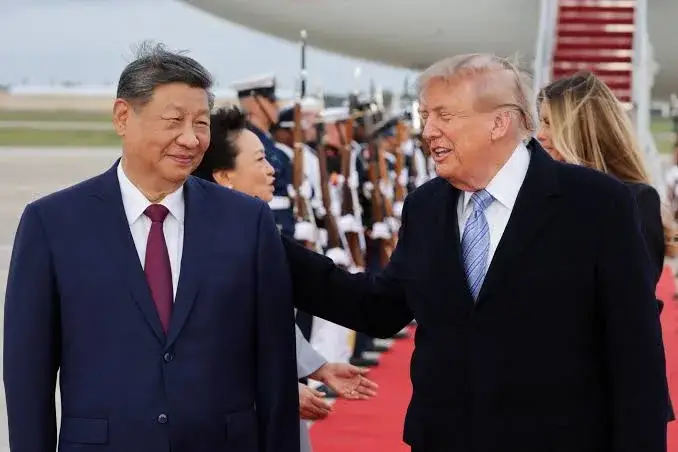
Trump Welcomes Xi to Washington Amid Talks on Trade and Global Security
25 Sept 2026
Global
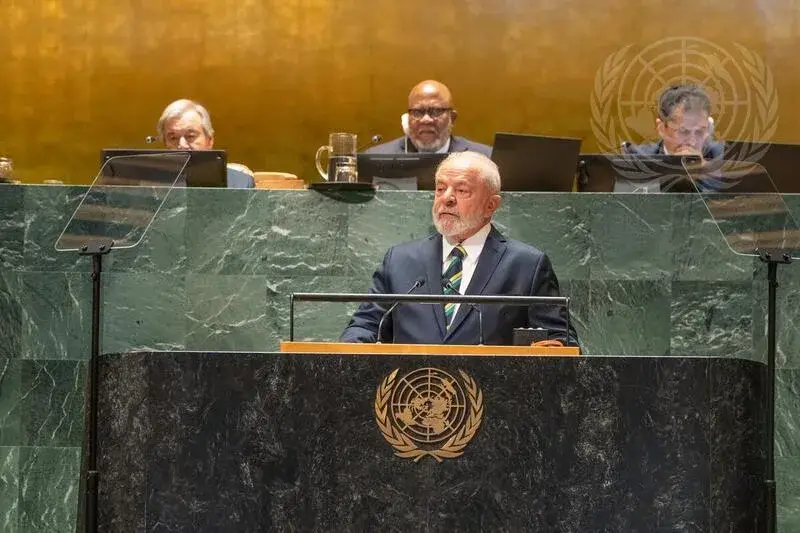
Lula Says Trump Has No Right to Govern Other Countries
24 Sept 2026
Global
Trump–Media Clash Escalates as US Networks Suspend Coverage
21 Sept 2026
Global
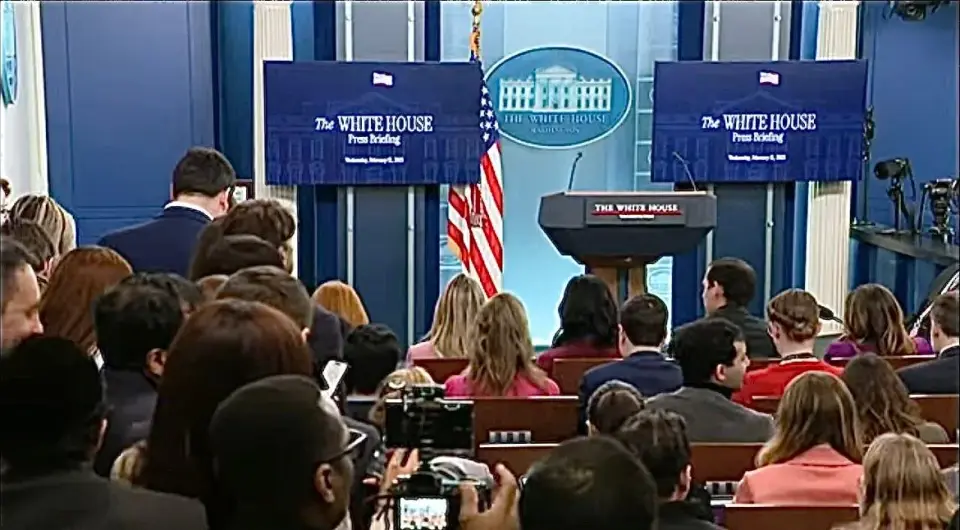
White House Strips CNN of Monday Pool Assignment After Trump Ban
21 Sept 2026
Global
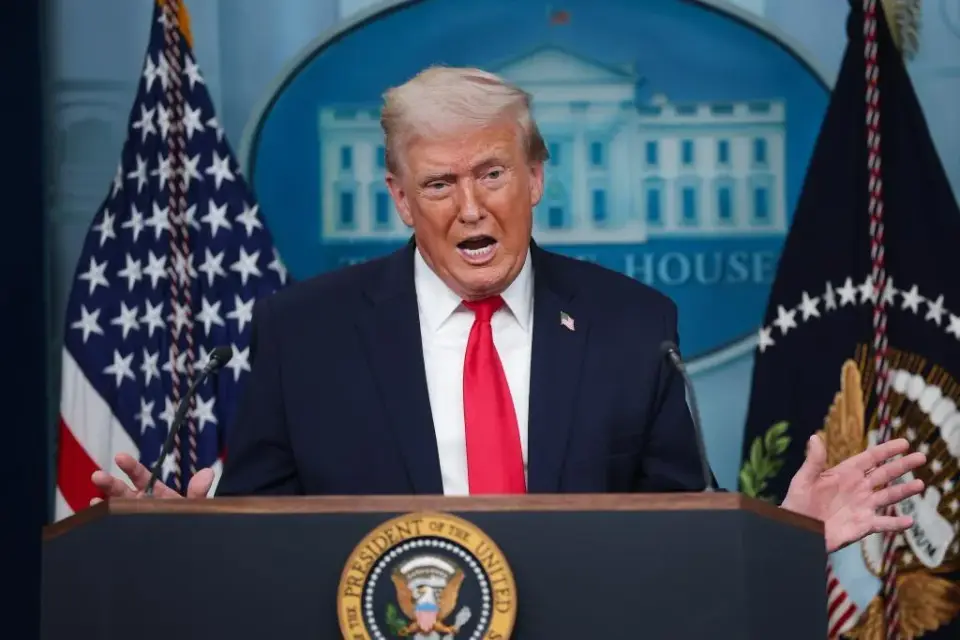
Trump Says Iran Faces ‘Economic Destruction’ Unless New Deal Is Reached
21 Sept 2026
You may also like

Global
CNN, MS NOW and Politico Reporters Denied White House Access After Trump’s Ban
19 Sept 2026
Global
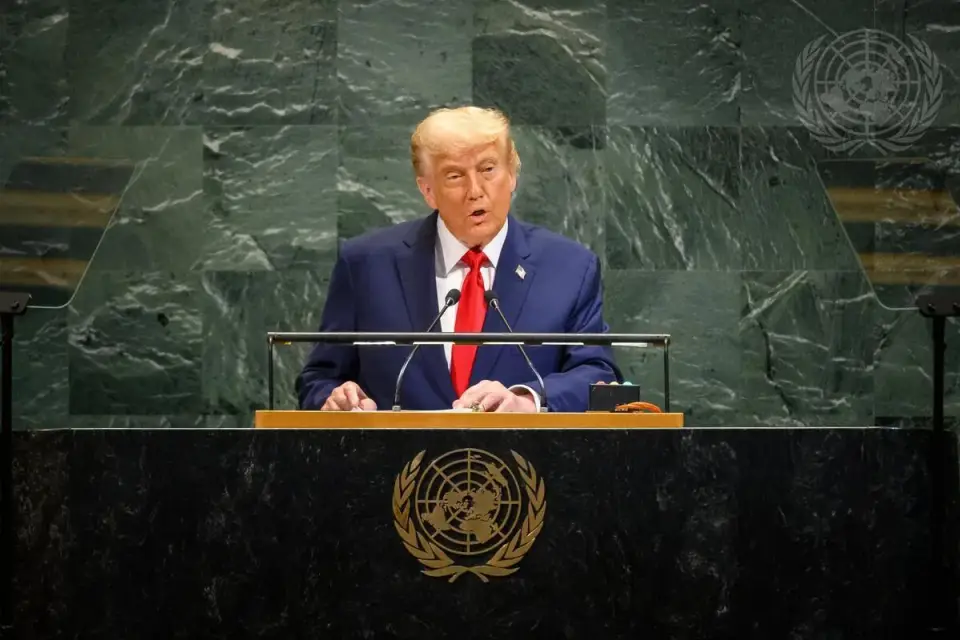
Trump Tells UN Iran Must Choose Between a Deal or “Annihilation”
22 Sept 2026
Global
Trump Signs Russia Sanctions Bill, But Keeps Door Open for Strategic Deals
19 Sept 2026
Global
Trump Announces AI Force and White House AI Czar While Rejecting New AI Guardrails
20 Sept 2026
Global
U.S. to Let Iranian Leaders Attend U.N. General Assembly Despite Wartime Tensions
17 Sept 2026
Global
UN Chief Says Africa Deserves Permanent Security Council Representation
26 Sept 2026