
Trump Ally Kimberly Guilfoyle Quits Greece Ambassador Role After $100,000 Payment Allegation
The Trump administration asked Guilfoyle to leave her diplomatic post after reports of alleged financial and ethical misconduct, which she denies and says she will challenge.
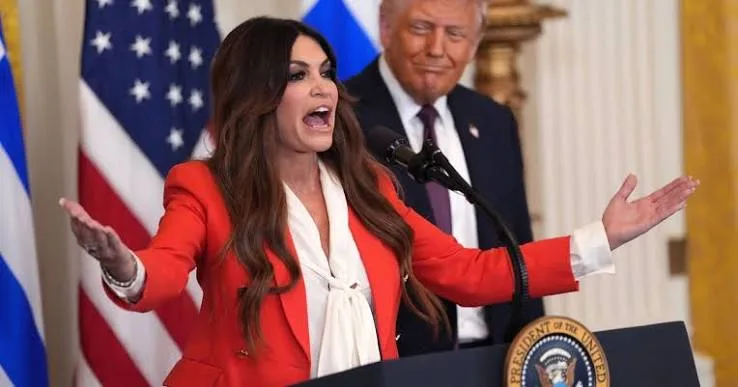
Kimberly Guilfoyle has resigned as United States ambassador to Greece after the White House asked her to step down amid allegations that she sought money and favours in exchange for access to senior Trump administration officials.
The departure was confirmed on Tuesday, October 13, after several weeks of reports about her conduct before and during her diplomatic posting in Athens. White House press secretary Katie Zacharia announced that the administration had asked Guilfoyle to resign, describing her as an asset to the team and wishing her well. President Donald Trump later said he had been unhappy with what he had read about the allegations.
Guilfoyle subsequently announced her resignation in a post on X, rejecting the accusations and saying she intended to defend her name, reputation and integrity. Her departure marks a sharp turn for a prominent Trump ally whose appointment attracted attention because of her political connections and her previous engagement to the president’s son, Donald Trump Jr.
The allegations centre partly on businessman Eric Deters, a Trump supporter who told reporters that Guilfoyle asked him to pay a $100,000 American Express bill shortly before her Senate confirmation hearing in 2025. According to accounts published by The Wall Street Journal and reported by other outlets, the request was linked to the prospect of access to senior administration figures.
Deters said he had sought assistance with matters involving government officials. The reports raised questions about whether Guilfoyle had attempted to use her political connections for personal financial benefit. These remain allegations, not a finding of wrongdoing by a court or a completed ethics investigation. Guilfoyle’s lawyers have denied impropriety, saying money she sought from a donor related to unpaid fees for speaking engagements and public appearances arranged before her ambassadorial nomination.
The controversy has extended beyond the reported payment request. The Wall Street Journal has also reported allegations involving gifts and services, Guilfoyle’s relationship with a lobbyist connected to a Greek energy company, and claims that she threatened to use American influence against the Greek government. The reports have prompted questions about the separation between official diplomatic duties and private or political interests. Guilfoyle has denied wrongdoing.
The US State Department’s inspector general was reported to be looking into complaints involving Guilfoyle, including concerns about her conduct and treatment of staff at the US Embassy in Athens. The department has not publicly confirmed the details of any formal investigation, and the status and outcome of any inquiry remain unclear.
Guilfoyle’s exit comes at a sensitive time for US-Greek relations. Greece is a NATO ally with a strategic role in the eastern Mediterranean, including military cooperation and energy infrastructure. During her tenure, Guilfoyle promoted US liquefied natural gas exports and other American commercial interests, while also making controversial comments about China’s role at the port of Piraeus.
The allegations have also become a matter of political debate in Greece. Opposition figures called for Guilfoyle to be summoned to explain the claims, framing the issue as one of national dignity and diplomatic accountability. Greece’s foreign minister said she had been treated in the same way as other ambassadors and argued that a formal summons was not necessary. The Greek government had not issued an official response to the resignation at the time of the latest reports.
Guilfoyle, a former prosecutor and television host, became a prominent figure in Republican politics and a campaign adviser to Trump before her appointment as ambassador. Her resignation now raises broader questions about vetting, ethics oversight and the standards expected of senior diplomatic representatives, particularly when allegations concern possible private benefits linked to public office.
The case is not simply about the departure of a politically connected ambassador. It tests whether allegations involving access, money and diplomatic influence are examined transparently, regardless of the official’s political standing. The claims against Guilfoyle must be assessed on the available evidence rather than treated as proven, but the episode underscores why public confidence in diplomacy depends on clear ethical boundaries, credible oversight and accountability that extends beyond partisan loyalty.
More on Global
Global
Hormuz Crisis: Trump Rejects Iran’s Seven-Day Reopening Plan
28 Sept 2026
Global
Trump Announces Immediate Energy Ceasefire Between Russia and Ukraine After Russian Diesel Deal
11 Oct 2026
Global
An Indelible Stain: Trump Lashes Out at Norway After Losing Nobel Peace Prize to Navi Pillay
11 Oct 2026
Global
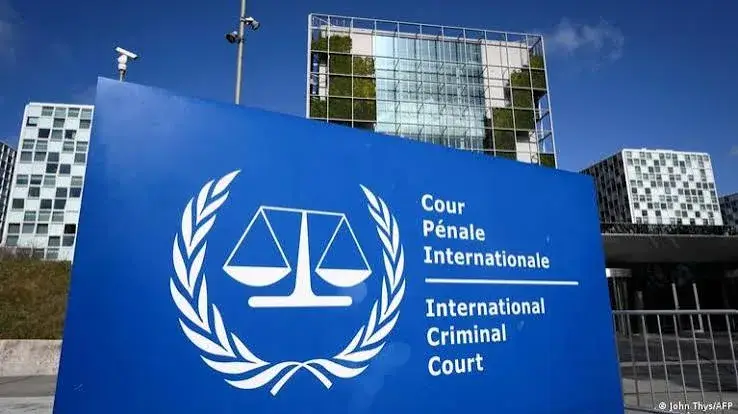
Trump Sanctions ICC Over Prosecution of Americans, Vows to Cripple Court
10 Oct 2026
Global
US Suspends Microsoft, Infosys, Wipro and Major IT Firms From Green Card Programme
8 Oct 2026
You may also like
Global
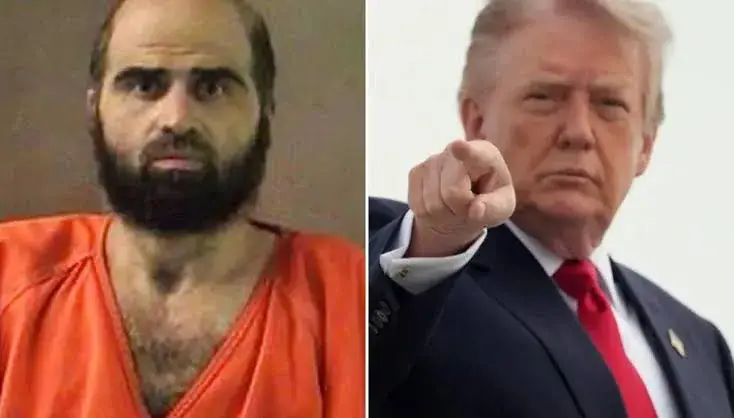
Trump Approves Firing Squad Execution of Nidal Hasan 17 Years After Fort Hood Massacre
7 Oct 2026
Global
Nearly 1 Million Americans Begin Receiving $500 Obamacare Refund Checks
1 Oct 2026
Global
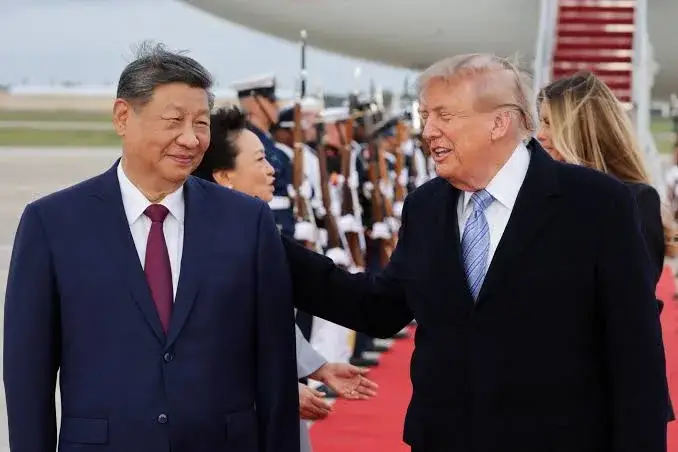
Trump Welcomes Xi to Washington Amid Talks on Trade and Global Security
25 Sept 2026
Global
Andy Burnham Accuses Russia of Meddling in Brexit Vote but Downing Street Defends Referendum Legitimacy
12 Oct 2026
Global
Israeli Strike Kills Two Palestinians in Southern Gaza as Ceasefire Strains Deepen
12 Oct 2026
Global
China Asks Nigerian Media to Align Taiwan Coverage With One-China Position
10 Oct 2026