
Trump Announces Immediate Energy Ceasefire Between Russia and Ukraine After Russian Diesel Deal
United States President Donald Trump has proclaimed an immediate energy ceasefire between Russia and Ukraine, asserting a halt to strikes on fuel and power infrastructure following his recent move to purchase Russian diesel.
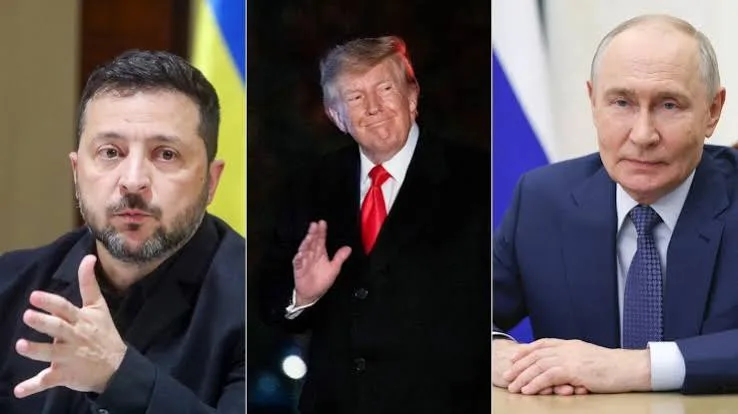
United States President Donald Trump announced on Sunday that Russia and Ukraine have agreed to an immediate cessation of strikes on energy infrastructure, declaring on his Truth Social platform that the measure takes effect without delay. Trump wrote on Truth Social that, effective immediately, there is an energy ceasefire in the war between Russia and Ukraine, warning both Moscow and Kyiv not to breach the terms. The proclamation comes on the heels of Trump announcing an agreement with Russian President Vladimir Putin for the United States to purchase Russian diesel fuel, an intervention driven by soaring domestic pump prices and sliding presidential approval ratings ahead of the United States midterm elections in November.
The unilateral announcement by the American president has been met with immediate caution and skepticism on the ground. Live monitoring by Sky News showed that Russian air assaults struck targets across Ukraine on Sunday morning, triggering precautionary military deployments across two neighbouring North Atlantic Treaty Organisation states. While Trump claimed both combatants had entered into the arrangement, Ukrainian officials indicated the sudden pronouncement was unexpected, with news reports citing Ukrainian President Volodymyr Zelenskyy noting the purported agreement was news to Kyiv.
The initiative to pause attacks on energy grids has been a focal point of Trump diplomatic maneuvers in recent weeks. During a 40-minute sit-down on the sidelines of the United Nations General Assembly in New York in late September, Trump pressed Zelenskyy to halt long-range Ukrainian drone strikes on Russian oil refineries. Trump told reporters at the United Nations that Ukrainian operations had dealt a serious hit on the Russians and a serious hit on the price of diesel globally. Reuters reported that Trump approval numbers had dropped to record lows as escalating fuel prices rattled the American electorate, elevating the stabilization of global diesel supplies into a priority for the White House.
In those earlier bilateral exchanges, Zelenskyy insisted that Ukraine would only entertain a reciprocal moratorium. Speaking to reporters in New York, Zelenskyy maintained that Kyiv stood ready for an energy ceasefire provided Moscow ceased bombardments targeting Ukrainian power stations, heating facilities, and water networks ahead of winter. However, Zelenskyy firmly ruled out any unilateral pause on Russian fuel-processing hubs, stating that no such concession had been discussed. Previous informal agreements announced by the United States quickly unravelled within hours, as Russian forces struck petrol filling stations in Kyiv and Ukrainian drones struck Russian refining assets.
The renewed push by Washington comes as the wider conflict approaches its fifth winter, with both nations locked in an attritional campaign directed at economic and civilian lifelines. Ukrainian aerial strikes have curtailed Russian refining and export volumes, while Russian missile barrages have systematically degraded Ukrainian electrical generation, raising fears of catastrophic power deficits during freezing weather. In response to the persistent aerial threat, Zelenskyy had appealed to Trump at the United Nations for supplies of Patriot air defence interceptors, offering to swap future German deliveries to replenish depleted American inventories.
Trump insistence on a bilateral energy ceasefire illustrates how domestic economic pressures in Washington are increasingly steering American diplomatic strategy toward the war in Eastern Europe. By attempting to freeze the conflict around fuel infrastructure while opening channels to import Russian diesel, the Trump administration is seeking to suppress global oil market volatility and mitigate political vulnerability at home. Yet, with neither Moscow nor Kyiv having formally ratified a binding, verifiable monitoring protocol, the viability of the ceasefire remains heavily dependent on whether combat operations on the front lines genuinely subside or whether military strikes quickly shatter the declaration.
More on Global
Global
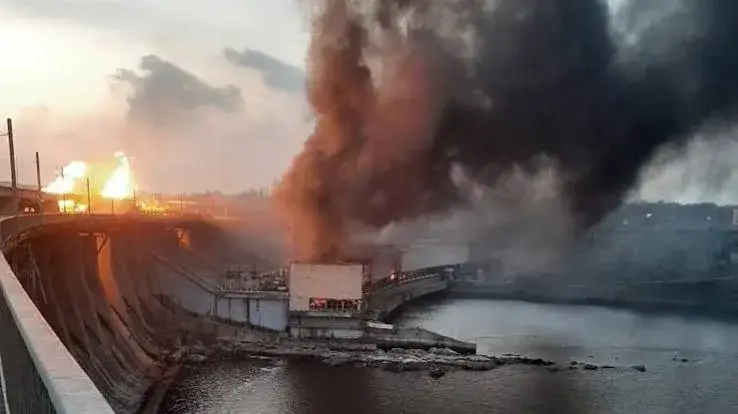
Russia Launches Massive Strikes On Ukraine’s Energy Infrastructure
30 Sept 2026
Global
Trump Approves Firing Squad Execution of Nidal Hasan 17 Years After Fort Hood Massacre
7 Oct 2026
Global
Russian Strikes Hit Kyiv’s Dnipro Crossings, Triggering Traffic Chaos
3 Oct 2026
Global
Ukraine Retakes More Ground in Northern Donetsk as Russian Offensive Loses Momentum
29 Sept 2026
Global
Hormuz Crisis: Trump Rejects Iran’s Seven-Day Reopening Plan
28 Sept 2026
You may also like
Global
Trump Welcomes Xi to Washington Amid Talks on Trade and Global Security
25 Sept 2026
Global
Lula Says Trump Has No Right to Govern Other Countries
24 Sept 2026
Global
An Indelible Stain: Trump Lashes Out at Norway After Losing Nobel Peace Prize to Navi Pillay
11 Oct 2026
Global
UK Intensifies Defence Talks as Russian Security Threats Grow
26 Sept 2026
Global
German Export Recovery Loses Steam as U.S. Trade Falls Sharply
8 Oct 2026
Global
Dangote Launches $16bn Kenya Refinery Project to Transform East Africa’s Fuel Market
2 Oct 2026