
Ukraine Accuses Musk’s SpaceX of Disrupting Starlink as Russian Strikes Leave 600,000 Without Power
Kyiv says unexpected restrictions on Starlink terminals disrupted military drone missions as Russian attacks battered Ukraine’s energy infrastructure.

Ukraine has accused Elon Musk’s SpaceX of restricting its Starlink satellite internet services without warning, disrupting some military drone missions just as Russian missile and drone attacks left hundreds of thousands of people without electricity. Ukrainian officials said the restrictions affected Starlink terminals operating while in motion, a capability used to guide drones and support military logistics. The complaints emerged on Wednesday, October 14, after Russian strikes hit energy facilities around Kyiv and Kharkiv, leaving an estimated 600,000 people without power, according to Ukrainian President Volodymyr Zelenskyy.
Serhiy Beskrestnov, a presidential adviser specializing in military technology, said Ukrainian forces had received no advance warning of the change and that several missions were disrupted as a result. He said SpaceX had introduced a speed restriction affecting military-grade Starlink terminals mounted on moving platforms.
Ukraine’s 7th Rapid Reaction Corps separately reported that connectivity could drop for 10 to 20 seconds when drones travelled at speeds of around 110 to 120 kilometres per hour. The interruptions made the aircraft more difficult to control, the unit said. Reuters reported that the restriction was understood to affect terminals moving at speeds above roughly 160 kilometres per hour, although the reported connection losses at lower speeds suggest the practical impact may extend beyond that threshold.
Starlink, operated by Musk’s SpaceX, has become an important part of Ukraine’s battlefield communications since Russia launched its full-scale invasion in February 2022. Its satellite network supports communications between military units, frontline logistics and some drone operations, offering connectivity that can be difficult to disrupt through conventional electronic jamming. The reported restrictions have therefore raised concerns about Ukraine’s dependence on a privately operated system for critical military functions.
The timing has also fuelled speculation about political pressure on Kyiv, but there is no confirmed evidence that SpaceX imposed the restrictions to punish Ukraine or in response to its military decisions. Beskrestnov suggested the move was connected to the political situation, while SpaceX had not immediately responded to requests for comment, according to Reuters and The Associated Press.
The reported disruption drew criticism from Poland, which pays for Ukraine’s Starlink subscriptions. Polish Foreign Minister Radosław Sikorski publicly challenged Musk over the possibility that access to the technology could be influenced by politics. His reaction reflects a wider concern among Ukraine’s supporters that reliance on a single commercial provider can leave military capabilities exposed to decisions made outside government control.
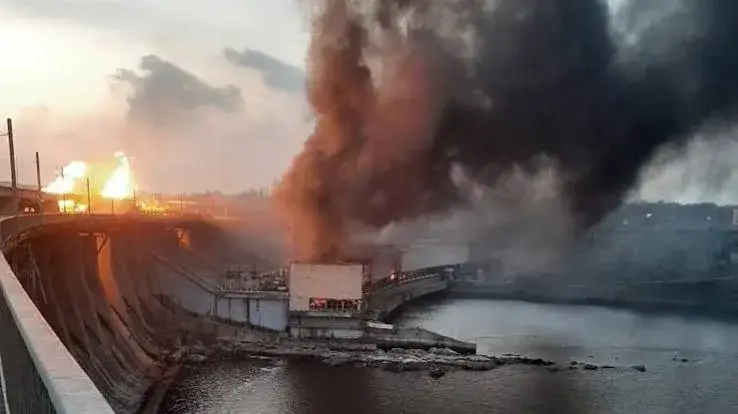
The Starlink dispute unfolded alongside a fresh wave of Russian attacks on Ukraine’s energy infrastructure. Ukrainian officials said the strikes damaged more than 30 energy facilities, while Russia’s Defence Ministry acknowledged attacks on energy infrastructure and said six power plants had been hit. Zelenskyy described the assault as a deliberate rejection of US President Donald Trump’s push for an energy ceasefire. However, the terms of such a truce had not been finalized publicly, and the Kremlin said discussions were continuing.
The immediate issue is whether Ukrainian forces can restore reliable connectivity for affected operations while maintaining communications under sustained attack. The longer-term question is more consequential: as satellite internet becomes part of national security infrastructure, how much control should a private company have over technology on which a country at war depends? The latest episode highlights the strategic risks of that dependence and the need for governments to develop resilient alternatives, clear service arrangements and contingency plans before a commercial restriction becomes a battlefield vulnerability.
More on Global

Global
Trump Announces Immediate Energy Ceasefire Between Russia and Ukraine After Russian Diesel Deal
11 Oct 2026
Global
Russian Strikes Hit Kyiv’s Dnipro Crossings, Triggering Traffic Chaos
3 Oct 2026
Global
Russia Launches Massive Strikes On Ukraine’s Energy Infrastructure
30 Sept 2026
Global
Ukraine Retakes More Ground in Northern Donetsk as Russian Offensive Loses Momentum
29 Sept 2026
Global
Syria Weighs Military Support for Saudi Arabia as Houthis Escalate
8 Oct 2026
Partner with Follow Global Trends
Display banners, sponsored stories and founder spotlights.
You may also like

Global
Andy Burnham Accuses Russia of Meddling in Brexit Vote but Downing Street Defends Referendum Legitimacy
12 Oct 2026

Global
Trump Ally Kimberly Guilfoyle Quits Greece Ambassador Role After $100,000 Payment Allegation
13 Oct 2026

Global
Protester Punched at Trump Rally as President Mocks Her Appearance
14 Oct 2026
Global
Israeli Strike Kills Two Palestinians in Southern Gaza as Ceasefire Strains Deepen
12 Oct 2026

Global
An Indelible Stain: Trump Lashes Out at Norway After Losing Nobel Peace Prize to Navi Pillay
11 Oct 2026

Global
China Asks Nigerian Media to Align Taiwan Coverage With One-China Position
10 Oct 2026