
Three UK Nations Set to Sign Historic Declaration Backing Right to Independence
The leaders of Scotland, Wales and Northern Ireland are set to sign a joint declaration asserting their nations’ right to pursue independence, marking an unprecedented moment in modern UK politics.
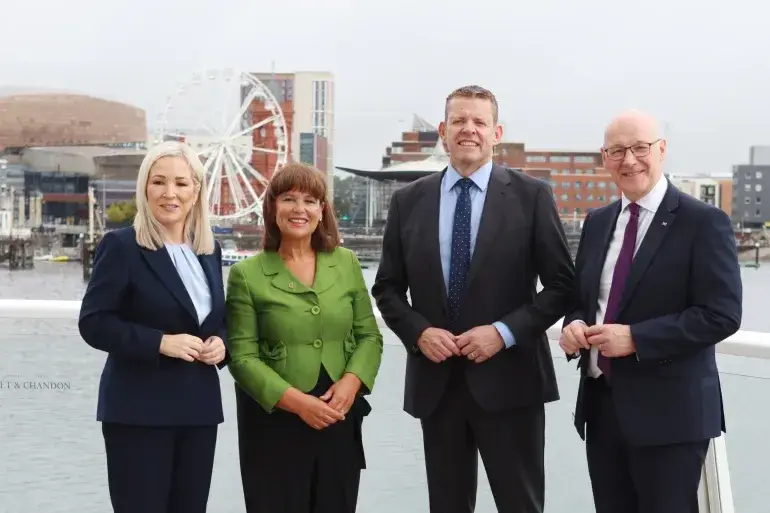
CARDIFF — The First Ministers of Scotland, Wales and Northern Ireland will gather in Cardiff on Monday to sign a landmark memorandum affirming the right of their nations to seek independence from the United Kingdom, in an unprecedented show of unity among the UK’s three pro-independence devolved governments, according to The Telegraph.
The summit will bring together Scotland’s John Swinney of the Scottish National Party, Wales’ Rhun ap Iorwerth of Plaid Cymru and Northern Ireland’s Michelle O’Neill of Sinn Féin. Sinn Féin president Mary Lou McDonald is also expected to attend discussions, reflecting the party’s long-standing campaign for Irish reunification.
Despite widespread claims on social media that the meeting will “break up the UK,” organizers say the declaration is not a legal instrument of secession. Instead, it is a political agreement demanding that the constitutional future of each nation should be decided democratically through referendums where public support exists.
The gathering is significant because it is the first time all three devolved administrations have been led simultaneously by parties that support independence or constitutional separation from the UK. Plaid Cymru’s election victory in Wales earlier this year created that alignment, transforming what had previously been parallel campaigns into a coordinated political front.
Each nation, however, is pursuing a different constitutional destination. The Scottish Government continues to advocate for an independent Scotland outside the UK, while Plaid Cymru argues that Wales should eventually become a sovereign state. Sinn Féin’s objective is different again: Northern Ireland’s departure from the UK would come through reunification with the Republic of Ireland under the terms of the 1998 Good Friday Agreement, rather than as an independent country.
The summit also arrives amid renewed tension with Prime Minister Andy Burnham’s government. Burnham has repeatedly ruled out fresh independence referendums, arguing that his administration was elected on a mandate to strengthen devolution and focus on economic growth, public services and the cost-of-living crisis rather than constitutional change.
Recent polling illustrates the political challenge facing the independence movement. Support for Scottish independence remains the strongest of the three nations at around 47%, while surveys suggest approximately 36% back Irish reunification in Northern Ireland and about 32% support Welsh independence. None currently represents a decisive majority, although leaders argue that public opinion continues to evolve.
The declaration is expected to extend beyond constitutional issues, with discussions covering economic cooperation, energy policy, cultural ties and future relations with Europe. By framing the summit around shared governance as well as self-determination, the three leaders are seeking to present independence as a practical political project rather than a symbolic gesture.
While Monday’s agreement will not alter the constitutional status of any part of the United Kingdom, it represents one of the clearest coordinated challenges yet to the union’s future. More than a declaration of intent, it signals that the debate over the UK’s constitutional shape is no longer confined to individual nations, it is increasingly becoming a shared political movement with implications for the future of the British state.
More on Politics
Politics
Scotland, Wales and Northern Ireland Leaders Declare Their Future Lies in the European Union
14 Sept 2026
Politics
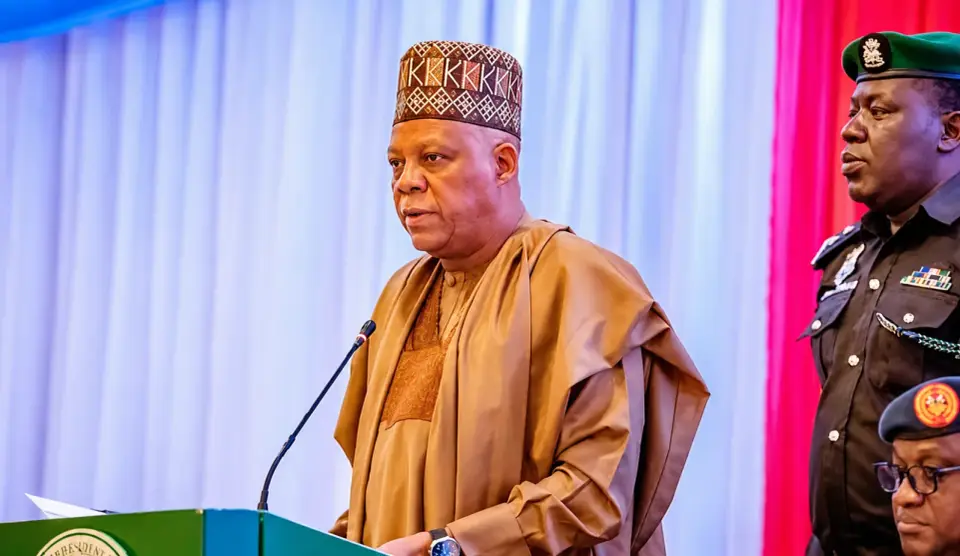
Shettima: Only Six Northern Governors Backed Tinubu in 2023 Election
17 Sept 2026
Politics
Brazil Votes in Pivotal Election as Lula and Bolsonaro Rival Vie for Presidency
4 Oct 2026
Politics
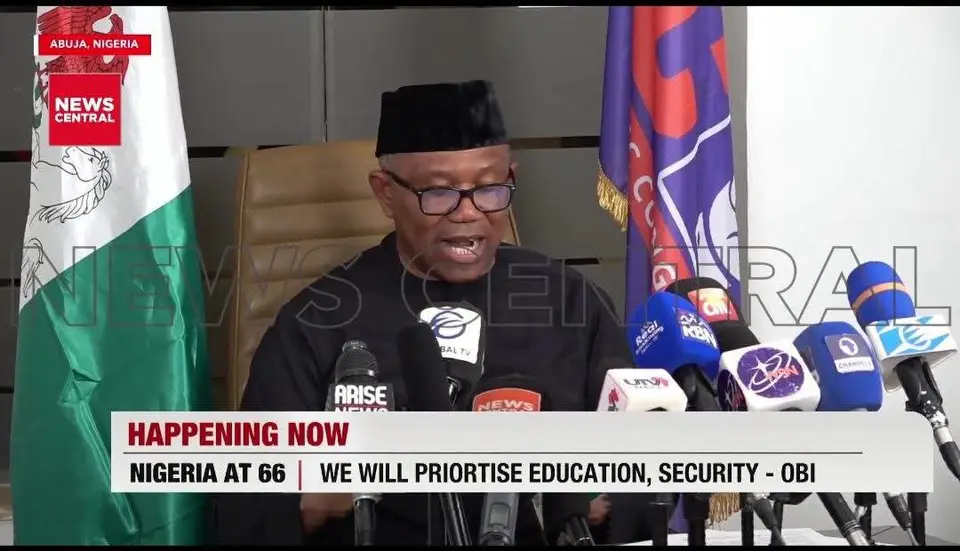
Nigeria at 66: Peter Obi Calls for Leadership Reset, Jobs and Security
1 Oct 2026
Politics
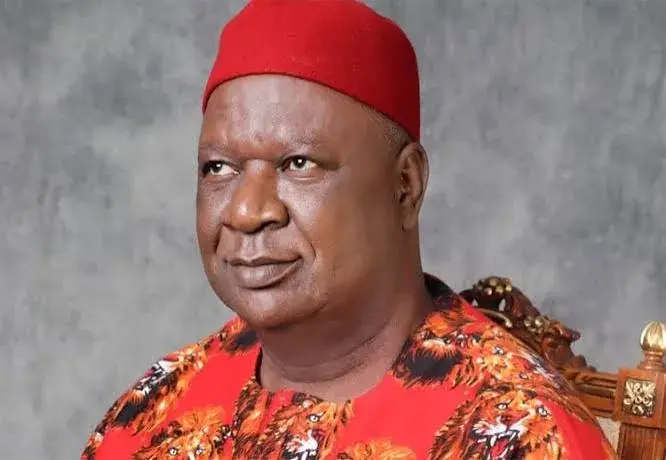
Anyim: I Believe Presidency Will Go North After Tinubu’s Second Term, Then Return to South-East
22 Sept 2026
You may also like
Politics
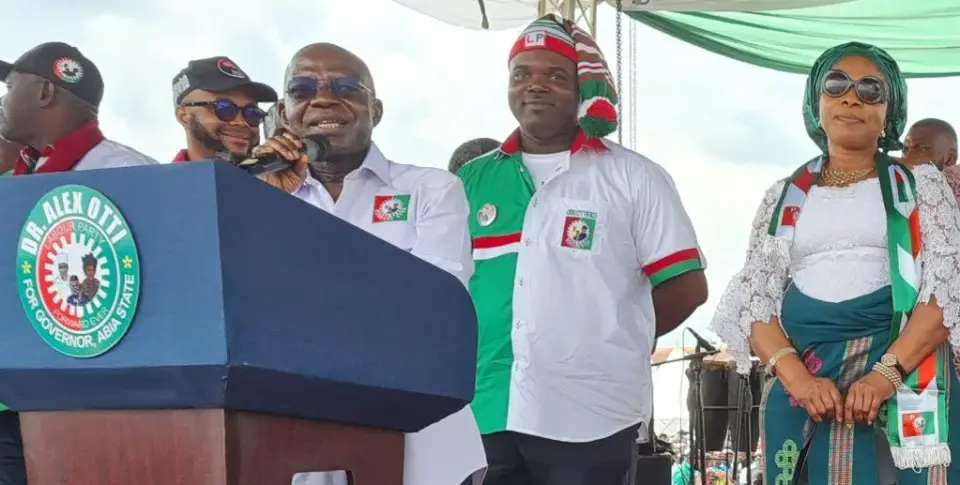
Abia Governor Otti Says He Wants Younger Nigerians to Take Over
21 Sept 2026

Politics
Russia Begins Three-Day Parliamentary Election as Putin Seeks Wartime Mandate
19 Sept 2026
Politics
SERAP Gives INEC Seven Days to Explain Alleged ₦126.46bn Electoral Funds
14 Sept 2026
Politics
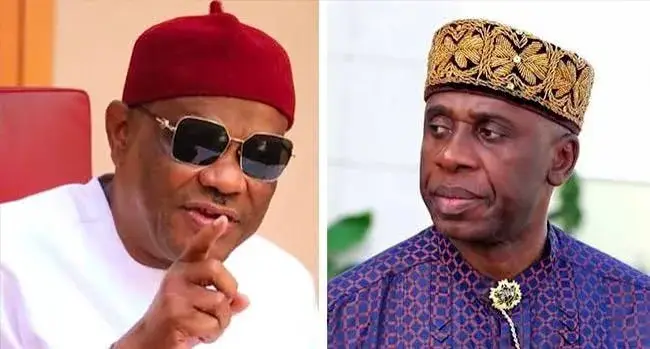
Wike-Amaechi Rivalry Escalates as FCT Minister Demands Answers on Rivers Projects
4 Oct 2026
Politics
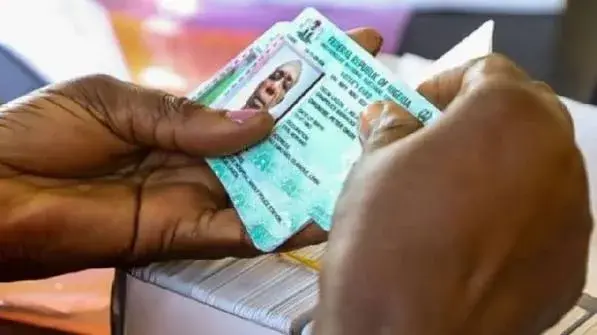
2027 Elections: 9.3 Million Young Nigerians Join The Register
2 Oct 2026
Politics
Brazil Suspends Sports Betting to Protect Election Integrity
28 Sept 2026