Scotland, Wales and Northern Ireland Leaders Declare Their Future Lies in the European Union
The leaders of Scotland, Wales and Northern Ireland have signed a landmark declaration backing self-determination and arguing that their nations’ future belongs in the European Union.
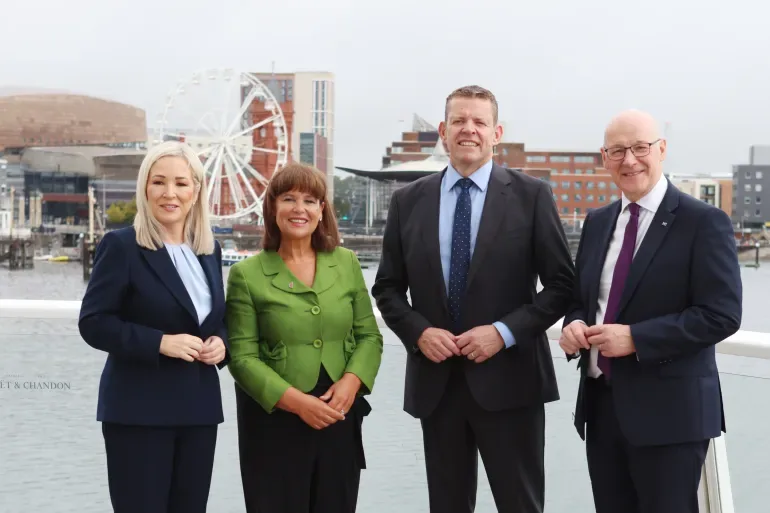
CARDIFF, WALES — The leaders of Scotland, Wales and Northern Ireland have jointly declared that the long-term future of their nations belongs in the European Union, unveiling a landmark political declaration that calls for the democratic right to pursue independence from the United Kingdom.
The agreement was signed in Cardiff by John Swinney, First Minister of Scotland, Rhun ap Iorwerth, First Minister of Wales, and Michelle O’Neill, First Minister of Northern Ireland, in what observers describe as the first coordinated constitutional initiative by the three devolved governments led by pro-independence parties.
At the heart of the declaration is a shared vision that each nation should have the democratic right to determine its constitutional future through peaceful and lawful referendums. The leaders also argued that closer integration with Europe would provide greater economic opportunity, stronger international cooperation and renewed access to European institutions following the UK’s departure from the EU.
Although the document has generated intense political debate, it does not legally remove any nation from the United Kingdom. Instead, it commits the three governments to cooperating on constitutional reform, economic collaboration and advocating what they describe as a more outward-looking European future for their respective nations.
The declaration reflects different constitutional ambitions under a common political message. Scotland’s government continues to campaign for full independence and eventual EU membership, Plaid Cymru advocates an independent Wales within Europe, while Sinn Féin seeks the reunification of Northern Ireland with the Republic of Ireland, an existing EU member. Constitutionally, the United Kingdom is made up of four constituent countries—England, Scotland, Wales and Northern Ireland. However, it operates through three separate legal systems: England and Wales share one legal jurisdiction, Scotland has its own distinct legal system based on Scots law, and Northern Ireland maintains an independent legal system rooted in English common law and its own legislation.
The summit also highlighted growing frustration among the devolved administrations over their relationship with Westminster. The leaders argued that decisions on trade, migration and international cooperation have increasingly demonstrated the need for constitutional arrangements that better reflect the political aspirations of their nations.
However, the proposal faces significant political hurdles. Any move towards Scottish independence or a Welsh referendum would require complex constitutional processes involving the UK Parliament, while Northern Ireland’s constitutional future remains governed by the provisions of the Good Friday Agreement, which allows for a border poll only under specific conditions.
Political analysts say the declaration is as much about shaping the debate as it is about immediate constitutional change. By presenting a united front, the three governments are seeking to frame independence not as isolated national campaigns but as part of a broader European conversation about democracy, sovereignty and regional self-determination.
While the declaration carries no immediate legal effect, it marks one of the boldest coordinated challenges to the future of the United Kingdom in recent decades. Whether it ultimately leads to referendums or remains a symbolic political statement, it signals that the constitutional future of Britain will remain one of Europe’s defining political debates in the years ahead.
More on Politics
Politics
Three UK Nations Set to Sign Historic Declaration Backing Right to Independence
13 Sept 2026
Politics
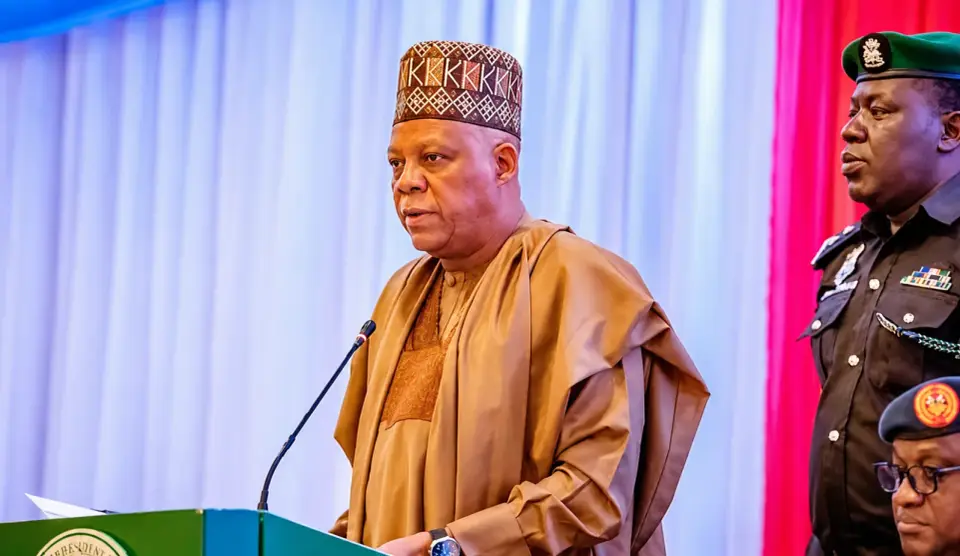
Shettima: Only Six Northern Governors Backed Tinubu in 2023 Election
17 Sept 2026
Politics
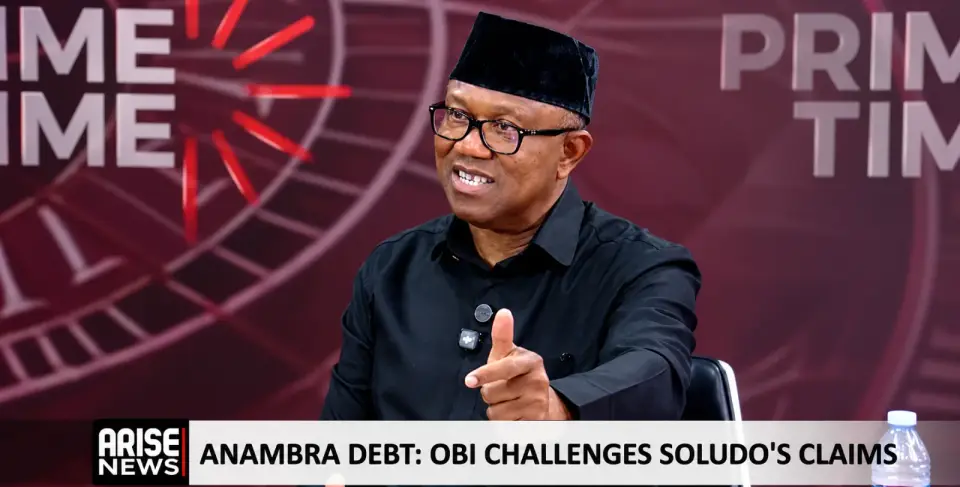
Peter Obi: I Left Anambra Financially Strong, Debt Claims Are Wrong Public Accounting
25 Sept 2026
Politics
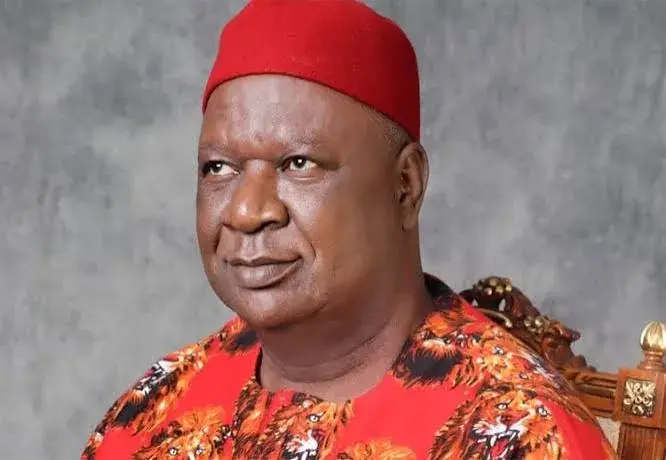
Anyim: I Believe Presidency Will Go North After Tinubu’s Second Term, Then Return to South-East
22 Sept 2026
Politics
Brazil Votes in Pivotal Election as Lula and Bolsonaro Rival Vie for Presidency
4 Oct 2026
You may also like
Politics
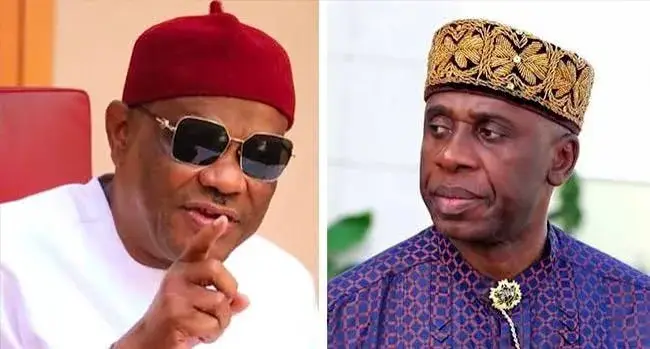
Wike-Amaechi Rivalry Escalates as FCT Minister Demands Answers on Rivers Projects
4 Oct 2026
Politics
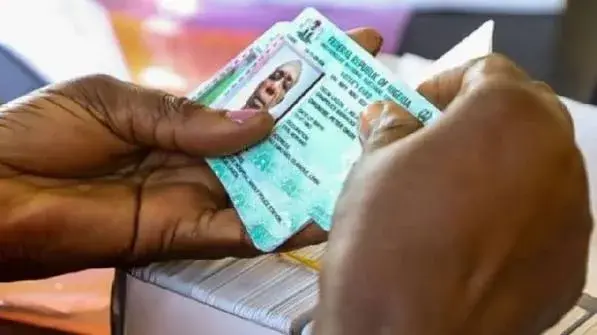
2027 Elections: 9.3 Million Young Nigerians Join The Register
2 Oct 2026
Politics
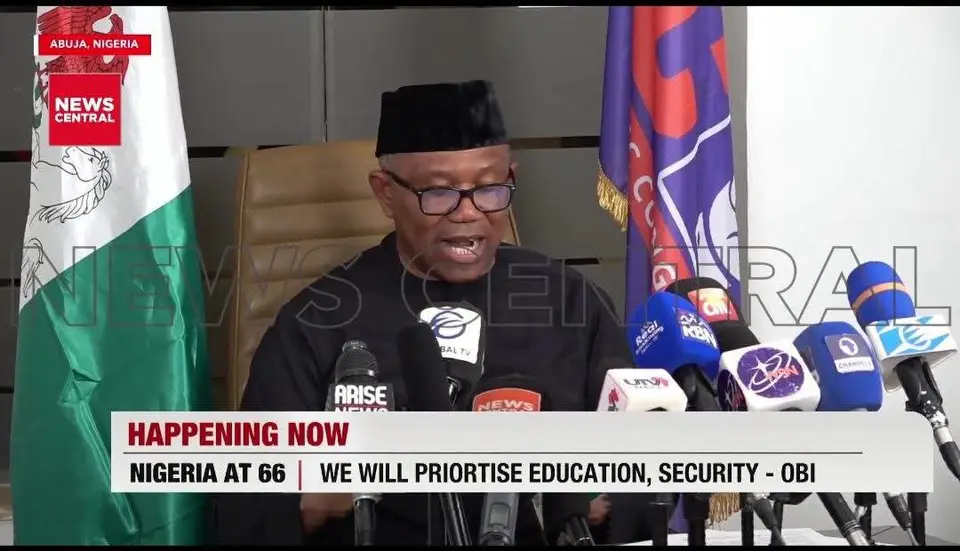
Nigeria at 66: Peter Obi Calls for Leadership Reset, Jobs and Security
1 Oct 2026
Politics
Brazil Suspends Sports Betting to Protect Election Integrity
28 Sept 2026
Politics
UK Foreign Secretary’s Handshake With Iranian Minister Sparks Backlash
26 Sept 2026
Politics
Kwankwaso Says NDC Will Reintroduce Fuel Subsidy if Obi Wins 2027 Election
23 Sept 2026