
Brazil Suspends Sports Betting to Protect Election Integrity
Brazilian President Luiz Inácio Lula da Silva has approved a temporary nationwide ban on sports betting ahead of the country’s elections, citing concerns over disinformation, voter manipulation and the growing influence of digital gambling platforms.
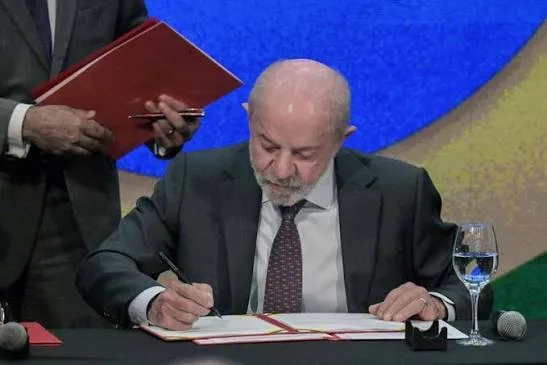
Brazilian President Luiz Inácio Lula da Silva has signed off on a temporary suspension of sports betting operations ahead of the country’s upcoming elections, marking one of the government’s most sweeping interventions yet in the rapidly expanding online gambling industry. The measure is intended to reduce the risk of electoral manipulation, curb the misuse of betting platforms during the campaign period and strengthen the integrity of the democratic process.
The decision follows months of debate within Brazil over the explosive growth of online betting, which has attracted millions of users and generated billions of reais in wagers since the market was partially regulated. Government officials argue that the election period requires additional safeguards because digital betting platforms can be exploited for misinformation campaigns, illicit financial flows and coordinated influence operations.
Under the new policy, licensed operators will be required to suspend sports betting services during the designated electoral window, while regulators will monitor compliance across domestic and international platforms serving Brazilian users. Authorities said the restriction is temporary and applies specifically to election-related risk management rather than representing a permanent prohibition on the industry.
Officials in Brasília say the measure forms part of a broader strategy to protect elections from digital interference. Alongside tighter oversight of online advertising and social media campaigning, the betting suspension is designed to prevent gambling markets from being used to spread false narratives, manipulate public sentiment or facilitate illegal campaign financing.
The government has stressed that the policy is not aimed at ordinary bettors but at preserving confidence in electoral institutions during a politically sensitive period. Electoral authorities are expected to work alongside financial regulators and technology agencies to enforce the restrictions throughout the campaign.
The suspension has drawn criticism from segments of Brazil’s betting and technology sector, where operators argue that licensed companies are already subject to strict compliance, identity verification and anti-money laundering rules. Some industry groups have warned that temporarily shutting regulated platforms could unintentionally drive users towards unlicensed offshore services that are harder to supervise.
Legal experts also note that the decision could face judicial scrutiny, particularly over its impact on commercial activity and contractual obligations. However, supporters of the measure contend that Brazil’s electoral authorities possess broad powers to introduce temporary restrictions when national democratic interests are at stake.
Brazil has emerged as one of the world’s fastest-growing online betting markets, with international operators investing heavily in sports sponsorships, football partnerships and digital entertainment. The rapid expansion has prompted lawmakers to introduce stronger consumer protection rules covering advertising, responsible gambling and financial transparency.
Lula’s decision reflects a wider global conversation about how governments should regulate technology-driven gambling platforms during elections. As betting, fintech and digital media become increasingly interconnected, the challenge is no longer simply about gambling regulation, it is about balancing innovation, commercial freedom and the protection of democratic institutions in an increasingly digital political landscape.
More on Politics
Politics
Brazil Cuts Fuel Taxes as Lula Faces Crucial Presidential Runoff
13 Oct 2026
Politics
Brazil Election Shock: Flávio Bolsonaro Beats Lula in First Round
5 Oct 2026
Politics
Atiku Urges Nigerians to Collect PVCs, Pledges Economic Relief if Elected
15 Oct 2026
Politics
Brazil Votes in Pivotal Election as Lula and Bolsonaro Rival Vie for Presidency
4 Oct 2026
Politics
2027 Elections: 9.3 Million Young Nigerians Join The Register
2 Oct 2026
Partner with Follow Global Trends
Display banners, sponsored stories and founder spotlights.
You may also like
Politics
Trump Endorses Netanyahu Nine Days Before Israeli Elections
18 Oct 2026
Politics
Tinubu Says He Won’t Tour Every Campaign Ground, Cites Governance Duties
15 Oct 2026
Politics
“I Respect Peter Obi,” Shettima Declares at APC Campaign Council Inauguration
14 Oct 2026
Politics
Elon Musk Donates $276 Million to Boost Republicans Chances Ahead of US Midterms
13 Oct 2026
Politics
Enugu Govt, NDC Trade Blame After Airport Clash and Secretariat Shooting
12 Oct 2026
Politics
Romania Names Luca Niculescu as PM Nominee in Fourth Bid to End Crisis
6 Oct 2026