
Brazil Cuts Fuel Taxes as Lula Faces Crucial Presidential Runoff
Brazil has scrapped federal gasoline taxes for 30 days and expanded fuel subsidies as President Luiz Inácio Lula da Silva prepares for a high-stakes election runoff.
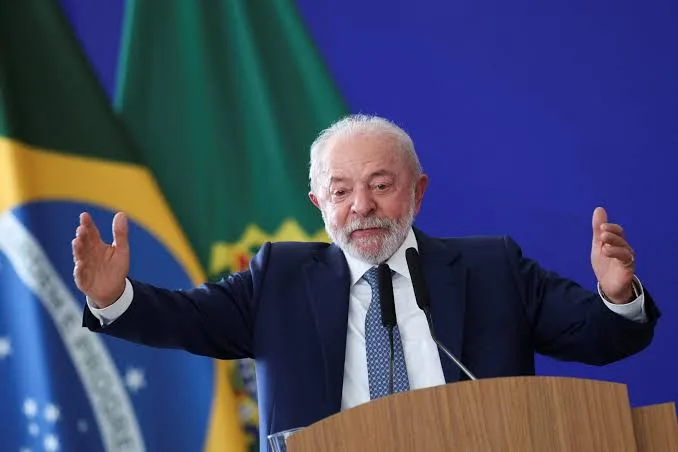
Brazil’s government has announced fresh fuel-tax cuts and expanded subsidies to help contain rising petrol and diesel costs, just over two weeks before President Luiz Inácio Lula da Silva faces Senator Flávio Bolsonaro in the October 25 presidential runoff.
Announced on October 9, the measures seek to cushion households and businesses from higher international oil prices amid geopolitical instability. Their timing also places fuel affordability firmly in the political spotlight as Lula tries to secure another term after failing to win an outright majority in the first round.
Under the new decree, federal taxes on gasoline imports and sales are suspended for 30 days, with the possibility of an extension. The government says the change reduces the tax burden by 0.89 reais per litre. Existing tax relief for hydrated ethanol has also been extended, while diesel importers will receive an additional subsidy of 1.40 reais per litre for 30 days, on top of an existing 2.12-reais subsidy.
The administration has presented the package as a response to international oil-market pressure and a measure to protect domestic fuel supplies. Officials say revenues from the government’s oil assets will help offset the fiscal impact. Reuters reported that the gasoline and ethanol measures are expected to cost about 3.6 billion reais in 2026, while the additional diesel-import subsidy is projected to cost a further 1.6 billion reais over 30 days.
The measures arrive as Lula faces a difficult contest. In the October 4 first round, Flávio Bolsonaro secured about 47% of valid votes against Lula’s 45%, leaving the incumbent with ground to recover before the decisive vote. Fuel costs matter beyond motorists: diesel prices can feed into freight charges, food distribution and the wider cost of living.
The opposition has questioned the timing and sustainability of the relief. Flávio Bolsonaro warned that diesel prices could rise after election day if existing support expires, arguing that consumers could face a sharp increase. That is his campaign’s warning, rather than a confirmed forecast. Finance Minister Dario Durigan rejected the suggestion that the measures were driven by the election calendar, saying the government had been responding to international oil-market pressures.
There is also a gap between announcing tax relief and ensuring drivers actually feel it at the pump. The government expects the reductions and subsidies to be passed through to consumers, while authorities have said they will monitor prices and investigate unjustified increases. The final effect will depend on how fuel distributors and retailers respond, alongside global oil prices and refining costs.
The policy presents Lula with a familiar balancing act: protect households from a global price shock without creating a costly measure that is difficult to sustain. Temporary tax cuts may ease immediate pressure, but they cannot guarantee lasting price stability if international energy costs remain high. With voters preparing to choose between Lula and Bolsonaro, the impact on everyday expenses could shape how the government’s economic record is judged, and whether short-term relief is seen as effective crisis management or election-season intervention.
More on Politics
Politics
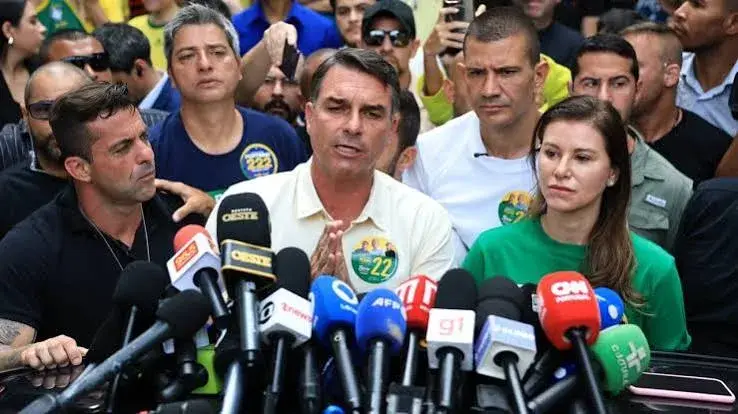
Brazil Election Shock: Flávio Bolsonaro Beats Lula in First Round
5 Oct 2026
Politics
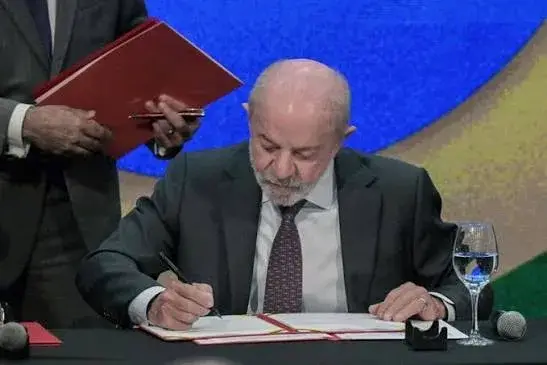
Brazil Suspends Sports Betting to Protect Election Integrity
28 Sept 2026
Politics
Brazil Votes in Pivotal Election as Lula and Bolsonaro Rival Vie for Presidency
4 Oct 2026
Politics
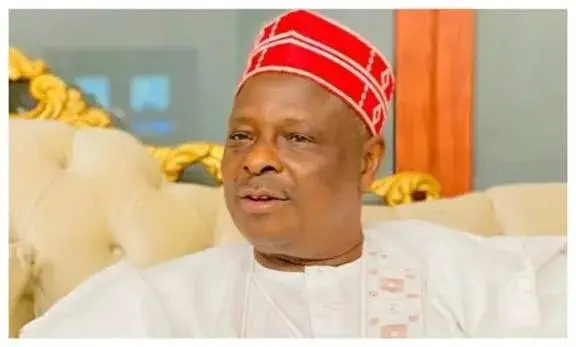
Kwankwaso Says NDC Will Reintroduce Fuel Subsidy if Obi Wins 2027 Election
23 Sept 2026
Politics
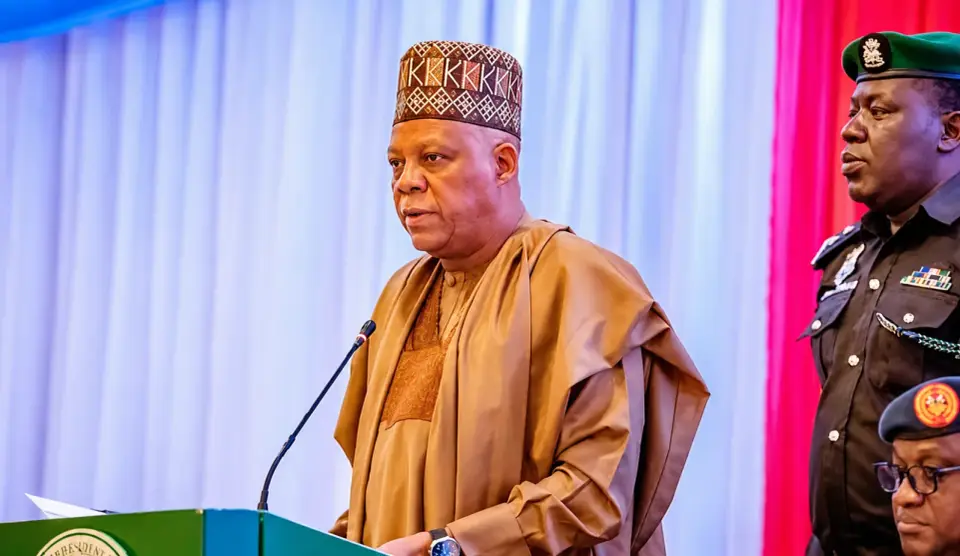
Shettima: Only Six Northern Governors Backed Tinubu in 2023 Election
17 Sept 2026
You may also like
Politics
Atiku Slams Tinubu’s 30-Day Fuel Discount as a ‘Publicity Stunt’
9 Oct 2026
Politics
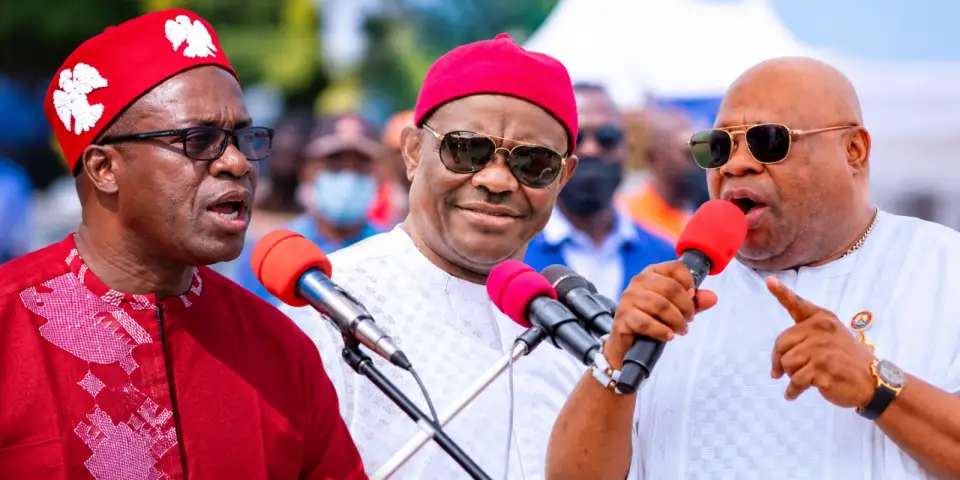
Wike, Soludo, Adeleke Join APC Campaign Council Despite Belonging to Other Parties
13 Oct 2026
Politics
Atiku Challenges Tinubu on 30 Day Petrol Discount, Demands Answers on Day 31 Plan
10 Oct 2026
Politics
Wike: We Allowed Peter Obi to Win South-South to Reduce Atiku’s Votes
22 Sept 2026
Politics
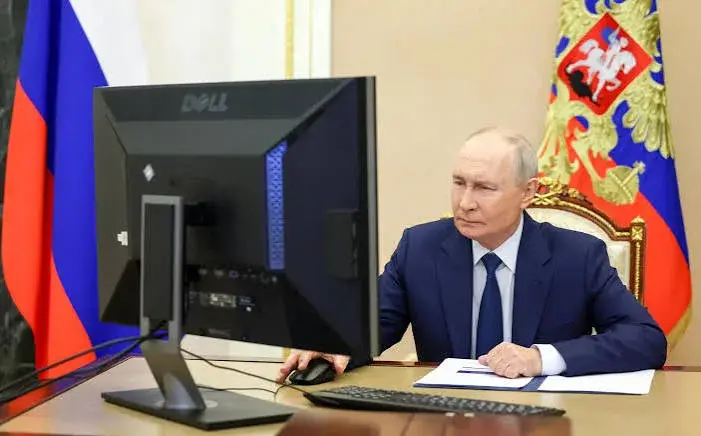
Russia Begins Three-Day Parliamentary Election as Putin Seeks Wartime Mandate
19 Sept 2026
Politics
Elon Musk Donates $276 Million to Boost Republicans Chances Ahead of US Midterms
13 Oct 2026