
Atiku Slams Tinubu’s 30-Day Fuel Discount as a ‘Publicity Stunt’
Former Vice-President Atiku Abubakar has criticised the Federal Government’s 30-day petrol discount, questioning its timing, limited reach and ability to ease Nigeria’s cost-of-living pressures.
Former Vice-President and African Democratic Congress (ADC) presidential candidate Atiku Abubakar has described President Bola Tinubu’s proposed 30-day petrol discount as a “panic-driven publicity stunt,” arguing that the temporary intervention will do little to address the deeper pressures facing Nigerian households and businesses. His criticism centres on what happens after the discount expires, how much motorists will actually save and whether any savings will translate into lower transport fares.
Atiku’s position was conveyed in a statement issued on Thursday by Phrank Shaibu, director of strategic communication for the ADC Presidential Campaign Council. He accused the administration of offering short-term relief after Nigerians had endured prolonged increases in fuel, transport and food costs, suggesting that the initiative was also politically timed ahead of the 2027 general election. These are Atiku’s allegations; the government has presented the measure as an economic response to rising fuel costs.
The Federal Government announced the intervention on October 8, saying Nigerian National Petroleum Company Limited (NNPC) would forgo its retail profit margin and sell petrol at cost for an initial 30 days. Public transport operators are to receive priority. Finance Minister and Coordinating Minister of the Economy Taiwo Oyedele said the arrangement was intended to cushion the impact of global crude-oil price increases without reinstating the blanket petrol subsidy removed in May 2023.
The government has also announced a proposed ceiling of ₦1,350 per litre on petrol’s ex-gantry or landing cost, subject to negotiations and monthly reviews. Under the proposed arrangement, refiners and importers would initially absorb costs above the ceiling and recover the difference when market conditions improve. The figure is not a guaranteed nationwide pump price: distribution, transport and other costs can affect what consumers pay at individual filling stations.
Atiku questioned why the discount is limited to NNPC stations and argued that the government has not adequately explained the amount consumers will save per litre. He also raised concerns about whether commercial transport operators would pass any reduction in fuel expenses on to passengers, rather than retaining the savings while fares remain high. Without clear implementation details and a mechanism for tracking the benefits, he argued, the initiative risks offering limited relief to the wider public.
The former vice-president also used the announcement to restate his alternative proposal: capped and budgeted production support tied to petrol refined in Nigeria, with safeguards intended to ensure that the benefits reach consumers while supporting domestic refining. He argued that the government’s willingness to intervene temporarily demonstrates that measures to moderate fuel costs are possible, although the long-term affordability and fiscal implications of his proposed approach would need to be assessed.
The Tinubu administration, meanwhile, says the discount is one element of a broader response to volatile energy prices. Other announced measures include forward sales of crude oil to domestic refineries, increased funding for cash transfers to vulnerable households, subsidized credit and a faster rollout of compressed natural gas vehicles. The government says it wants to reduce the effects of fuel-price shocks without returning to the previous subsidy system, which it argues imposed substantial costs on public finances.
The debate comes as rising petrol prices continue to affect transport costs, food distribution and household budgets. Because fuel is used throughout Nigeria’s supply chains, changes in its price can influence the cost of moving goods between farms, markets and cities. Even a temporary discount could therefore offer some relief if it reduces operating costs and those savings reach consumers, but its actual impact will depend on the discount’s implementation, availability and duration.
Atiku’s criticism also places the policy within the emerging political debate ahead of the 2027 election, with the ADC candidate questioning whether a month-long intervention can deliver meaningful economic relief. The government has not accepted his characterization of the measure as election-driven and maintains that it is responding to global market volatility. The central questions are consequently practical as well as political: what will motorists save, how will the government measure the results, and what happens when the 30 days end?
The broader significance is that Nigeria is testing ways to cushion consumers from fuel-price volatility while maintaining its post-subsidy policy. The discount may provide short-term breathing room, particularly for public transport operators, but it cannot by itself resolve the wider pressures affecting household incomes, food prices and transport fares. Whether the initiative becomes meaningful relief or a temporary reprieve will depend on transparent implementation and whether the government’s accompanying measures can deliver more durable price stability.
More on Politics
Politics
Atiku Challenges Tinubu on 30 Day Petrol Discount, Demands Answers on Day 31 Plan
10 Oct 2026
Politics
Mambilla Dispute: APC Questions Atiku’s 2027 Ambition Over ICC Arbitration
19 Sept 2026
Politics
Shettima: Only Six Northern Governors Backed Tinubu in 2023 Election
17 Sept 2026
Politics
Anyim: I Believe Presidency Will Go North After Tinubu’s Second Term, Then Return to South-East
22 Sept 2026
Politics
2027: Wike Blasts APC Governors as “Politically Lazy”, Says Tinubu Knows About Rainbow Coalition
16 Sept 2026
You may also like
Politics
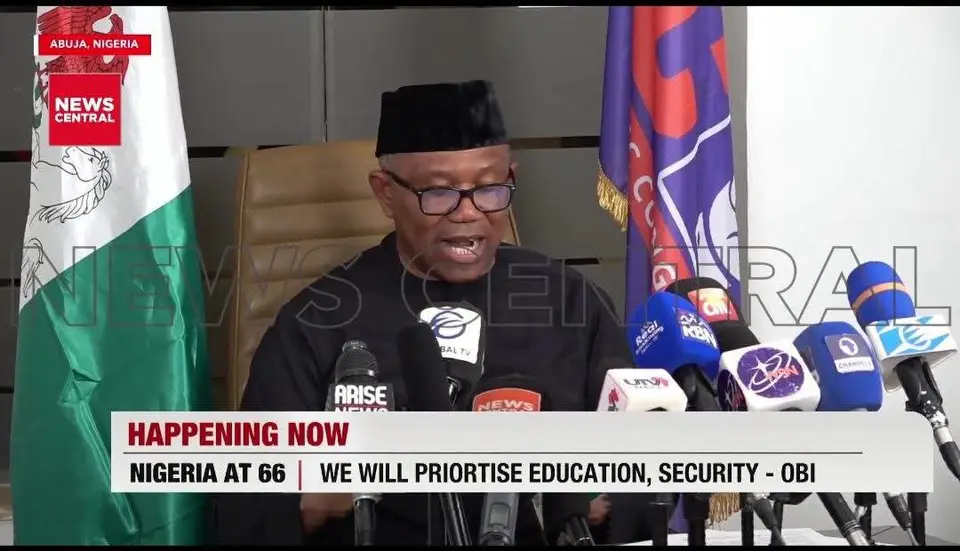
Nigeria at 66: Peter Obi Calls for Leadership Reset, Jobs and Security
1 Oct 2026
Politics
Kwankwaso Says NDC Will Reintroduce Fuel Subsidy if Obi Wins 2027 Election
23 Sept 2026
Politics
Wike: We Allowed Peter Obi to Win South-South to Reduce Atiku’s Votes
22 Sept 2026

Politics
Anambra Escalates Peter Obi Fight, Tells APGA Supporters to Resist NDC
5 Oct 2026
Politics
Ex-SGF Babachir Lawal Joins NDC, Endorses Obi–Kwankwaso Ticket
23 Sept 2026
Politics
Romania Names Luca Niculescu as PM Nominee in Fourth Bid to End Crisis
6 Oct 2026