Atiku Challenges Tinubu on 30 Day Petrol Discount, Demands Answers on Day 31 Plan
Former Vice President Atiku Abubakar has questioned the durability of the federal government petrol price intervention, asking what relief awaits citizens once the 30 day measure expires.
A sharp political confrontation has broken out over the federal government short term petroleum relief scheme, with the presidential candidate of the African Democratic Congress, Atiku Abubakar, accusing President Bola Tinubu of plagiarising his fuel pricing framework while discarding the structural safeguards needed to sustain it. Speaking at the inauguration of the African Democratic Congress Presidential Campaign Council ahead of the 2027 general election, the former vice president challenged the administration to explain what will happen on Day 31 after the temporary reduction in pump prices at state run filling stations ends.
The controversy centres on a 30 day relief initiative announced by the Minister of Finance and Coordinating Minister of the Economy, Taiwo Oyedele. Under the arrangement, Nigerian National Petroleum Company Limited Retail outlets will provide a price reduction of between N60 and N66 per litre, lowering pump prices to approximately N1,350 per litre compared to prevailing Abuja market rates that hover between N1,370 and N1,410. Oyedele defended the policy as a commercial decision rather than a return to the fiscal subsidy regime scrapped in May 2023, explaining that the state oil firm chose to temporarily forgo its retail profit margin to cushion households, commuters and transport operators against international oil price spikes triggered by Middle East tensions.
Atiku and his campaign team firmly rejected that explanation, alleging that the administration borrowed his policy prescription after publicly mocking it for months. According to details reported by Arise News and TheCable, Atiku maintained that his own proposal was a transparent, production based subsidy designed to discount crude supplied to local refineries under strict audit standards, domestic supply obligations and clear fiscal limits. By contrast, he argued that the presidency reduced the concept to a promotional campaign stunt.
Atiku criticised the administration record, stating: "Tinubu has had more than three years to improve our lives. What has he given us? A bag of food that costs more each time we go to the market. A journey to work that eats up our salaries. A business that cannot keep its lights on. A farm we may be too afraid to visit." He added: "You have demanded painful sacrifices from the people while you, your family, and friends are junketing all over the place. You told Nigerians to be patient as the price of petrol has pushed up the price of almost everything else. But now that an election is approaching, you have suddenly discovered their pain."
Further amplifying the criticism, Atiku spokesperson Phrank Shaibu issued a weekend statement reported by Daily Post, accusing President Tinubu of treating the state oil firm as an election war chest. Shaibu argued that the Petroleum Industry Act legally established NNPC Limited as an independent commercial enterprise rather than a political cashier. Shaibu asked: "Tinubu wants Nigerians to cheer for N66 off a litre before they ask who ordered NNPC to surrender the money. He wants credit for the discount without showing the board approval, the cost or the account that will carry it. Nigerians are not so desperate for relief that they have forgotten how to ask a simple question: who pays for Tinubu's applause?"
The opposition also drew attention to severe logistical constraints in delivering the discount. Data highlighted in a commentary by Atiku media adviser Paul Ibe showed that NNPC Retail operates around 920 filling stations nationwide, representing barely four per cent of Nigeria estimated 22,681 registered stations, with company records from July 2026 showing petrol availability at just 52 per cent across its network. Opposition aides pointed out that millions of rural residents across the 774 local government areas have no access to NNPC outlets, meaning motorists would burn valuable fuel queuing or travelling long distances just to secure marginal savings.
The presidency and its political allies pushed back against Atiku assertions. The Minister of Aviation and Aerospace Development, Festus Keyamo, dismissed the criticism, accusing the former vice president of launching bitter verbal attacks on Tinubu because of past electoral defeat. Concurrently, the Tinubu Support Group faulted Atiku, insisting that the administration remains squarely focused on mitigating economic pressures and providing immediate welfare cushions for vulnerable citizens.
The clash illustrates how volatile energy pricing and cost of living challenges continue to dominate national discourse as parties prepare for the 2027 polls. With the federal government presenting the price cut as a targeted corporate buffer and the opposition portraying it as an unsustainable campaign gimmick, the real test of the intervention will arrive when the 30 day window closes, forcing policymakers to confront the structural economic realities governing petrol supply.
More on Politics
Politics
Atiku Slams Tinubu’s 30-Day Fuel Discount as a ‘Publicity Stunt’
9 Oct 2026
Politics
Mambilla Dispute: APC Questions Atiku’s 2027 Ambition Over ICC Arbitration
19 Sept 2026
Politics
Shettima: Only Six Northern Governors Backed Tinubu in 2023 Election
17 Sept 2026
Politics
Wike-Amaechi Rivalry Escalates as FCT Minister Demands Answers on Rivers Projects
4 Oct 2026
Politics
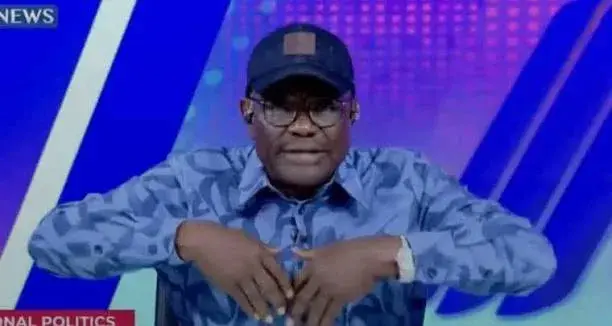
Wike: We Allowed Peter Obi to Win South-South to Reduce Atiku’s Votes
22 Sept 2026
You may also like
Politics
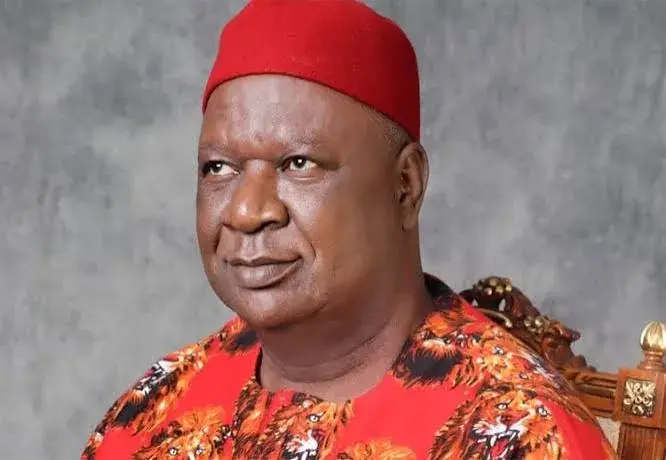
Anyim: I Believe Presidency Will Go North After Tinubu’s Second Term, Then Return to South-East
22 Sept 2026
Politics
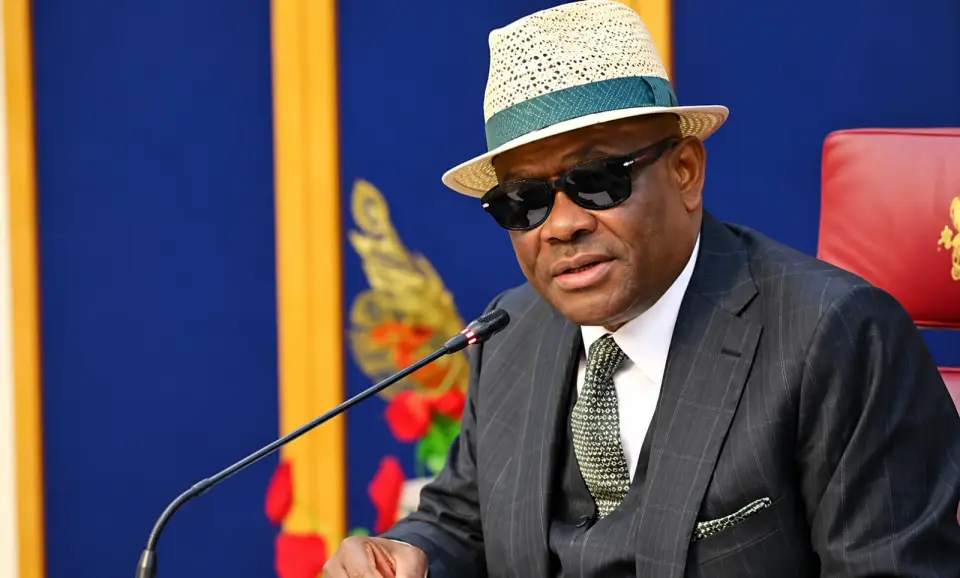
2027: Wike Blasts APC Governors as “Politically Lazy”, Says Tinubu Knows About Rainbow Coalition
16 Sept 2026
Politics
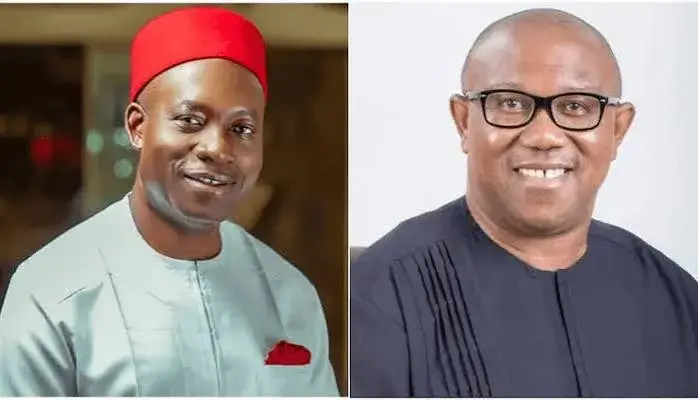
Anambra Escalates Peter Obi Fight, Tells APGA Supporters to Resist NDC
5 Oct 2026
Politics
Romania Names Luca Niculescu as PM Nominee in Fourth Bid to End Crisis
6 Oct 2026
Politics
Nigeria at 66: Peter Obi Calls for Leadership Reset, Jobs and Security
1 Oct 2026
Politics
Brazil Suspends Sports Betting to Protect Election Integrity
28 Sept 2026