Wike: We Allowed Peter Obi to Win South-South to Reduce Atiku’s Votes
The FCT Minister says the strategy was designed to weaken Atiku Abubakar’s support during the 2023 presidential election.
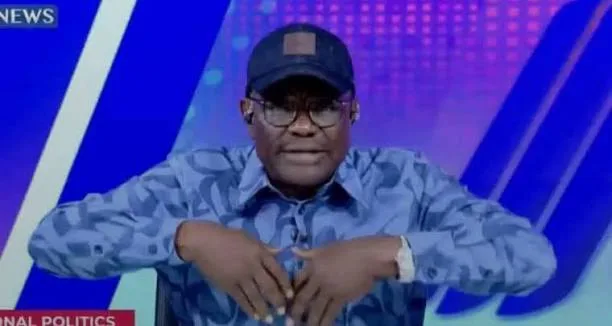
Federal Capital Territory Minister Nyesom Wike has claimed that his political camp deliberately allowed Peter Obi of the Labour Party to win in parts of Nigeria’s South-South during the 2023 presidential election as part of a strategy to reduce the votes of the Peoples Democratic Party (PDP) candidate, Atiku Abubakar.
He made the remarks during an interview on TVC’s Journalists’ Hangout, offering one of his clearest accounts yet of the political calculations behind the 2023 contest. Wike said the decision was tactical rather than ideological, arguing that weakening Atiku’s electoral strength became the priority after the PDP’s internal crisis.
“We allowed Peter Obi to win in the South-South in 2023 as our strategy to reduce Atiku’s votes. In Rivers State we said no, Obi will not win here because if he wins it will send a signal somewhere. So I stopped it. But now it’s no longer the same scenario as 2023. Right now from what we know, Obi no longer has it in the South East; if you like abuse me… the truth of the matter is that… for this election, leave it for Tinubu and prepare for 2031, and that’s the truth of the matter,” Wike said.
The former Rivers State governor has remained one of the central figures in the PDP’s post-election divisions. After losing the party’s 2022 presidential primary to Atiku, Wike led the influential G5 governors in demanding reforms within the PDP, insisting that the party’s leadership failed to reflect its own principle of regional balance. That disagreement eventually saw the group distance itself from Atiku’s presidential campaign.
Wike’s latest comments add a new layer to the political narrative surrounding the 2023 election by suggesting that voting outcomes in parts of the South-South were influenced by deliberate elite strategy. His account represents his own explanation of the events and has not been independently verified as the determining reason for how millions of voters across the region cast their ballots.
Official results released by the Independent National Electoral Commission showed that the 2023 presidential election produced an unusually fragmented political landscape. Bola Ahmed Tinubu of the All Progressives Congress emerged president, while Peter Obi recorded strong performances across several southern states and Atiku retained significant support in other parts of the country.
Perhaps the most politically consequential part of Wike’s interview was not his reflection on 2023, but his assessment of the next election. By arguing that “leave it for Tinubu and prepare for 2031,” the FCT Minister signalled his belief that the current political terrain has shifted substantially, while also claiming that Obi’s influence in the South East has weakened, a view that remains his personal political assessment rather than an established electoral fact.
The remarks are likely to deepen debates over loyalty, strategy and coalition politics within Nigeria’s opposition. More than three years after the last presidential election, the competing stories about how 2023 was won and lost continue to shape relationships, ambitions and the road toward 2027, underscoring how internal party conflicts can become as decisive as contests between rival parties.
More on Politics
Politics
Shettima: Only Six Northern Governors Backed Tinubu in 2023 Election
17 Sept 2026
Politics
Wike-Amaechi Rivalry Escalates as FCT Minister Demands Answers on Rivers Projects
4 Oct 2026
Politics
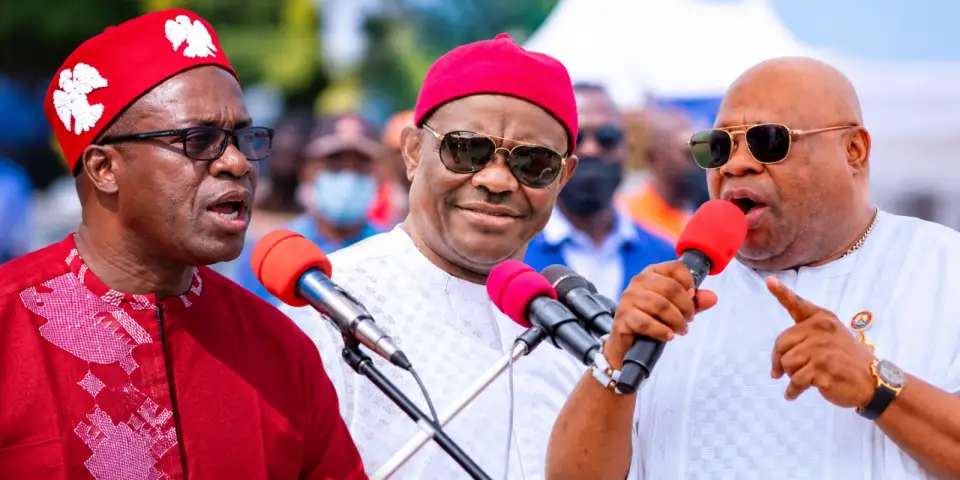
Wike, Soludo, Adeleke Join APC Campaign Council Despite Belonging to Other Parties
13 Oct 2026
Politics
Atiku Challenges Tinubu on 30 Day Petrol Discount, Demands Answers on Day 31 Plan
10 Oct 2026
Politics
Atiku Slams Tinubu’s 30-Day Fuel Discount as a ‘Publicity Stunt’
9 Oct 2026
You may also like
Politics
Brazil Votes in Pivotal Election as Lula and Bolsonaro Rival Vie for Presidency
4 Oct 2026
Politics
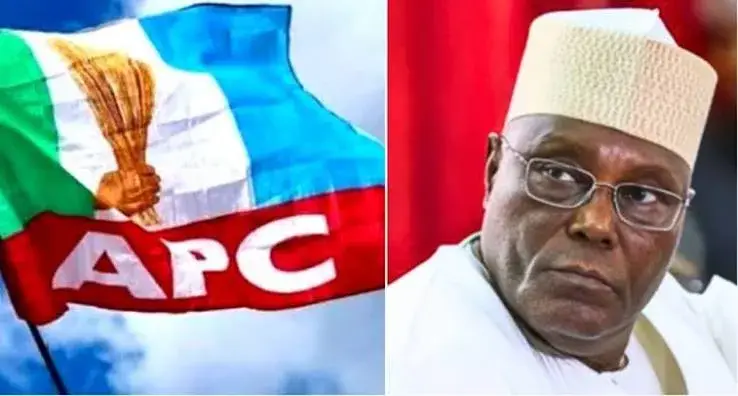
Mambilla Dispute: APC Questions Atiku’s 2027 Ambition Over ICC Arbitration
19 Sept 2026
Politics
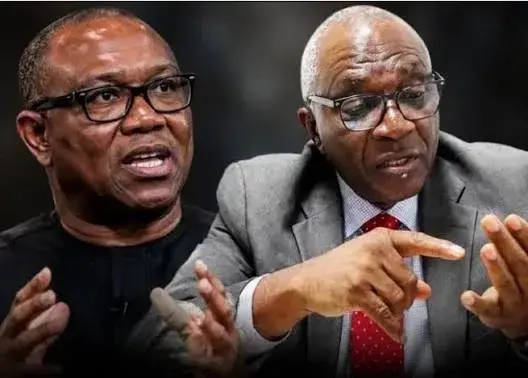
Presidency Dares Peter Obi to Quit 2027 Race Over Anambra Debt Controversy
17 Sept 2026
Politics
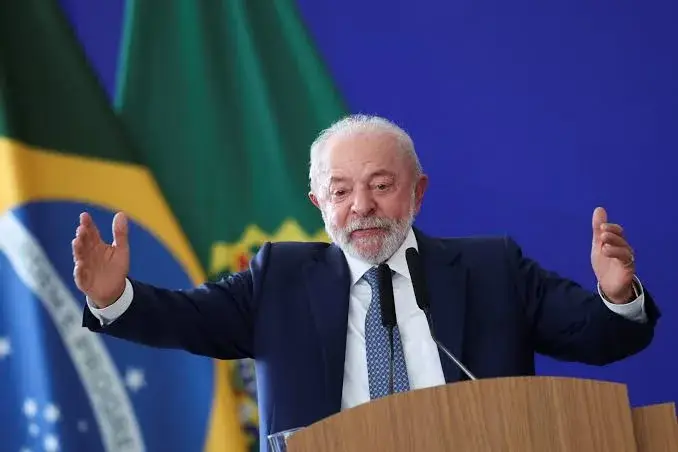
Brazil Cuts Fuel Taxes as Lula Faces Crucial Presidential Runoff
13 Oct 2026
Politics
Anambra Escalates Peter Obi Fight, Tells APGA Supporters to Resist NDC
5 Oct 2026
Politics
Nigeria at 66: Peter Obi Calls for Leadership Reset, Jobs and Security
1 Oct 2026