
Presidency Dares Peter Obi to Quit 2027 Race Over Anambra Debt Controversy
The Presidency has challenged Peter Obi to withdraw from the presidential race if allegations about Anambra’s debt profile under his administration are proven true.
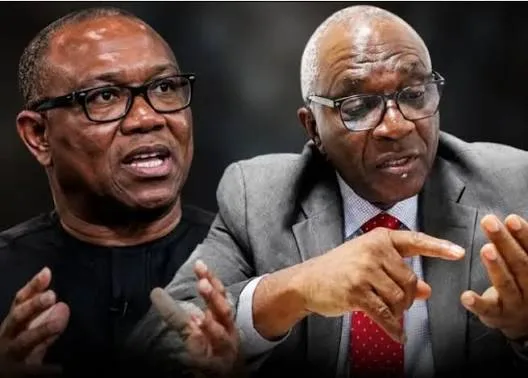
The Presidency has intensified its war of words with former Labour Party presidential candidate Peter Obi, daring him to abandon his 2027 presidential ambition if claims that he left Anambra State with a substantial debt burden are established. The latest exchange has reignited debate over Obi’s record as governor and the role of economic stewardship in Nigeria’s political discourse.
The challenge was issued by presidential spokesman Bayo Onanuga, who accused Obi of repeatedly presenting what he described as a misleading account of Anambra’s finances during his eight-year tenure as governor. Onanuga argued that official financial records contradict Obi’s long-standing assertion that he left the state with significant savings and little or no debt.
According to the Presidency, Obi should publicly withdraw from the 2027 presidential contest if documentary evidence confirms that his administration accumulated the liabilities being cited. The statement framed the controversy as a matter of credibility, insisting that public office holders must be accountable for their economic records.
Peter Obi has consistently defended his legacy in Anambra, maintaining that his administration prioritized fiscal discipline, prudent spending and strategic savings. The former governor has repeatedly argued that he left behind healthy financial reserves alongside investments in education, healthcare and infrastructure, while insisting that his government managed public resources responsibly.
The disagreement centres on differing interpretations of Anambra’s financial position at the end of Obi’s tenure. While the Presidency relies on debt figures and official records to question his narrative, Obi and his supporters contend that liabilities must be assessed alongside cash reserves, assets and inherited financial obligations rather than in isolation. Neither side has presented new independently audited evidence in the latest exchange, leaving the dispute rooted in competing interpretations of historical financial data.
The renewed confrontation comes as political alignments ahead of the 2027 general election continue to take shape. Although campaigns have not formally begun, leading political figures have increasingly returned to debates over governance records, economic performance and public accountability as they seek to shape public perception ahead of the next electoral cycle.
For Nigerian voters, the Anambra debt controversy is about more than a political challenge between rivals. It underscores the growing importance of verifiable public financial records in evaluating leadership claims and highlights why transparency, audited data and institutional accountability are likely to remain central issues as the country moves toward another presidential election.
More on Politics
Politics
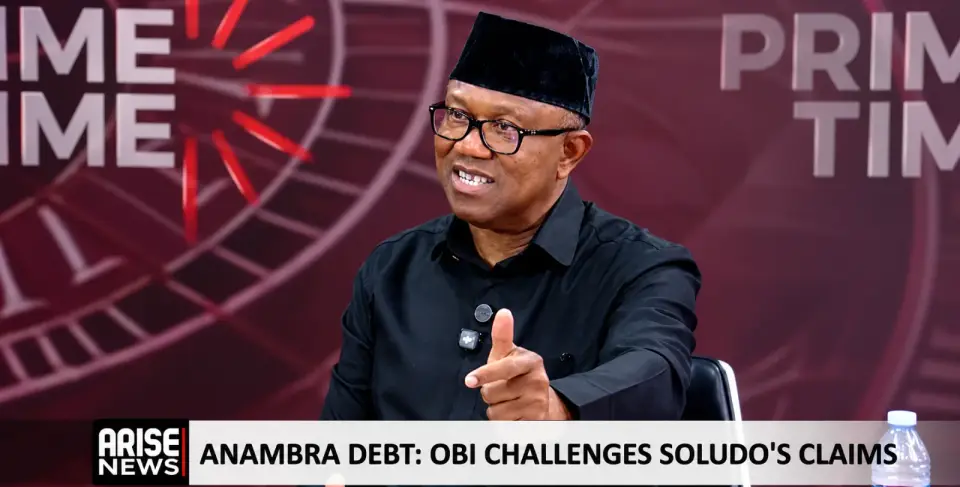
Peter Obi: I Left Anambra Financially Strong, Debt Claims Are Wrong Public Accounting
25 Sept 2026

Politics
Anambra Escalates Peter Obi Fight, Tells APGA Supporters to Resist NDC
5 Oct 2026
Politics
2027 Race: Peter Obi Calls for Credible, Deliverable Manifestos
20 Sept 2026
Politics
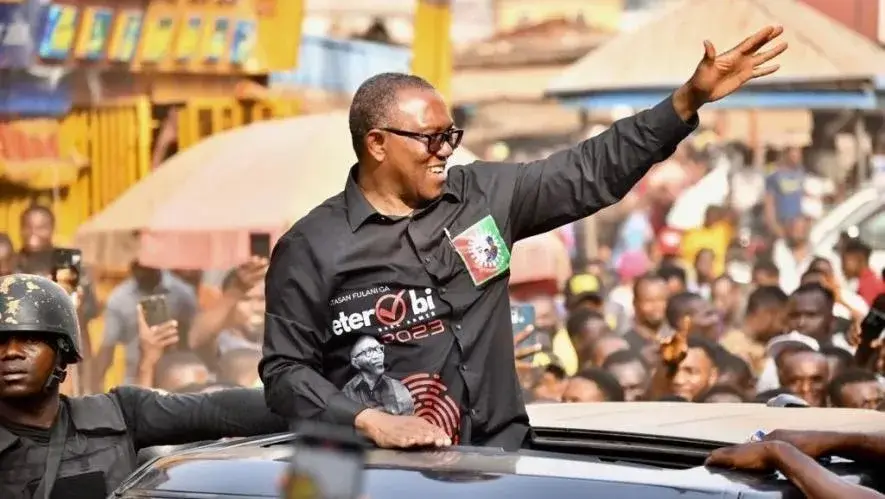
APC Campaign Council Says Obi Must Honour Pledge, Quit 2027 Race Over Anambra Loans
21 Sept 2026
Politics
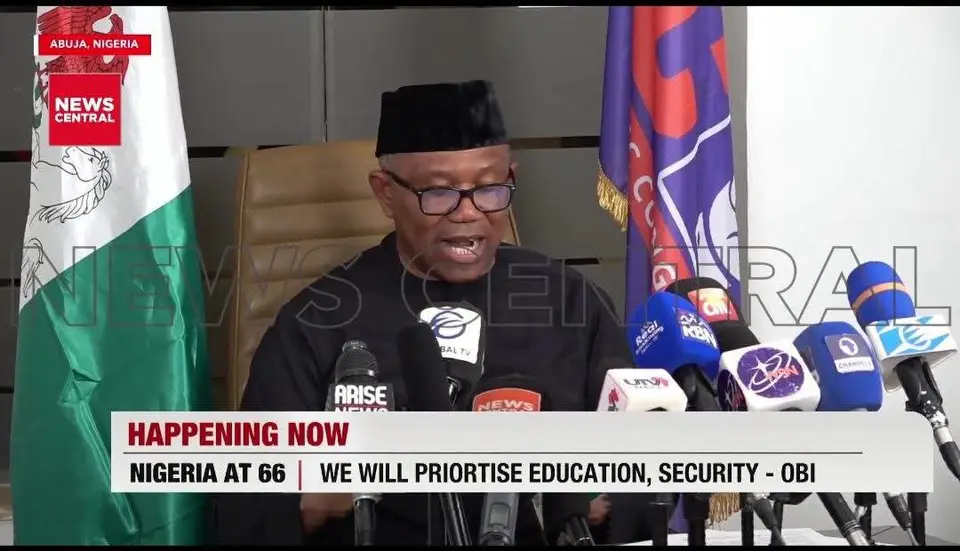
Nigeria at 66: Peter Obi Calls for Leadership Reset, Jobs and Security
1 Oct 2026
You may also like
Politics
Peter Obi Welcomes Scrutiny of Academic Records, Urges UNN to Release Certificates
15 Sept 2026
Politics
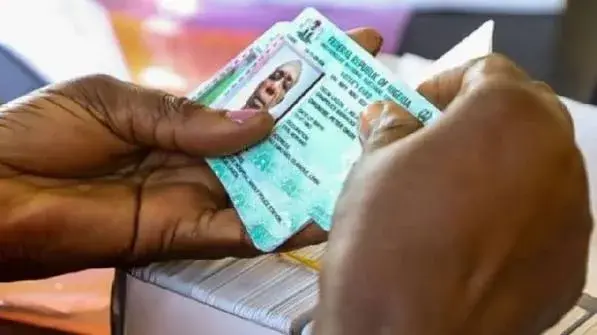
2027 Elections: 9.3 Million Young Nigerians Join The Register
2 Oct 2026
Politics
Kwankwaso Says NDC Will Reintroduce Fuel Subsidy if Obi Wins 2027 Election
23 Sept 2026

Politics
Wike: We Allowed Peter Obi to Win South-South to Reduce Atiku’s Votes
22 Sept 2026
Politics
Anyim: I Believe Presidency Will Go North After Tinubu’s Second Term, Then Return to South-East
22 Sept 2026
Politics
2027: Wike Blasts APC Governors as “Politically Lazy”, Says Tinubu Knows About Rainbow Coalition
16 Sept 2026