
Nigeria at 66: Peter Obi Calls for Leadership Reset, Jobs and Security
Peter Obi used Nigeria’s 66th Independence anniversary to call for a national reset, criticizing insecurity, poverty and weak public services while outlining what he said would be priorities of an NDC government if elected in 2027.
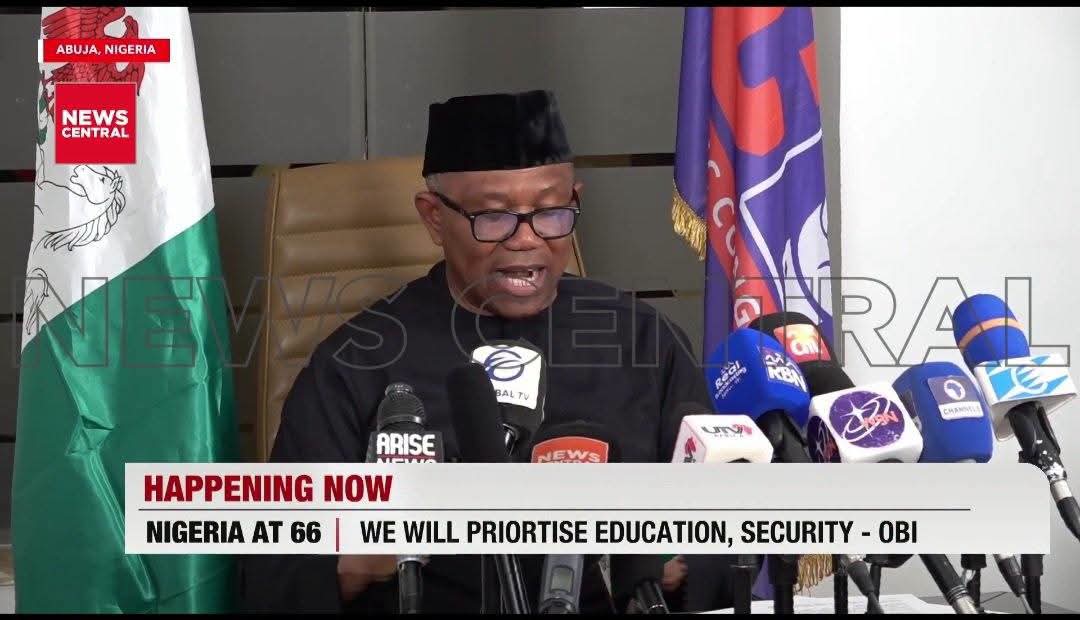
Nigerian Democratic Congress (NDC) presidential candidate Peter Obi has used Nigeria’s 66th Independence anniversary to deliver a sharply critical assessment of the country’s condition, arguing that the nation’s biggest problems are not a lack of resources but failures to translate those resources into security, jobs, education, healthcare and broader prosperity.
In an Independence Day address on Thursday, Obi said the anniversary should be more than a celebration, urging Nigerians to use the occasion to examine where the country stands, where it wants to go and how to get there. His remarks amounted to both a critique of the APC-led government and an outline of the priorities he says he would pursue if elected president in 2027.
Obi pointed to poverty, insecurity, hunger, unemployment, drug abuse, poor health outcomes and the number of children outside school as evidence of what he described as a widening gap between Nigeria’s potential and the reality experienced by many citizens.
He claimed that more than 140 million Nigerians are living in poverty or severe hardship and that more than 18 million children are out of school. The 18 million figure is also widely cited in Nigerian public debate, although UNICEF’s current education data gives a lower figure of about 10.5 million children aged five to 14 who are out of school, while government officials have questioned the methodology behind the higher 18.3 million estimate.
On food insecurity, Obi said more than 40 million Nigerians could face extreme hunger by the end of 2026. Independent estimates also point to severe food insecurity, although the figures vary according to the definition and period used. The regional Cadre Harmonisé assessment projected about 34.7 million Nigerians, including internally displaced people, would be in Crisis or worse between June and August 2026. The IMF separately estimated that 27 million Nigerians faced food insecurity in late 2025.
Obi also criticised the country's security situation, citing terrorism, banditry and kidnapping and referring to the recent deaths of 37 Nigerians. That reference appears to relate to the deaths of 37 suspected illegal miners who died while in the custody of the Nigeria Security and Civil Defence Corps in Niger State. The Federal Government has established an investigative committee to determine the circumstances surrounding the deaths, meaning the cause and responsibility remain subject to investigation.
The NDC candidate said he and his running mate, Senator Rabiu Kwankwaso, had just returned from a two-day visit to Sokoto State, where they met residents and examined issues including insecurity, poverty, youth unemployment and drug abuse.
A visit to the Ramin Kura Internally Displaced Persons camp in Sokoto featured prominently in his address. Obi described conditions at the camp as troubling, saying women and children were living away from their communities without adequate access to education and healthcare. Local reporting has also described overcrowded shelters and gaps in basic facilities at the camp.
For Obi, the conditions he encountered reinforced his argument that displacement caused by insecurity cannot be treated simply as a humanitarian issue. He said Nigerians forced from their communities should ultimately be able to return home safely, resume farming and business activities and rebuild their lives.
His proposed response is centred on what he described as measurable and accountable governance. Obi said that, if elected, his administration would prioritize security, education, healthcare and productive enterprise and would seek to move Nigeria away from what he called a consumption-driven economy towards one focused on production, agriculture, manufacturing, jobs and human capital.
He also promised that Nigerians would begin to see what he called the tangible impact of effective leadership within his first year in office.
On security, Obi said his administration would seek to create conditions for farmers to return safely to their farms, children to return to school and businesses to operate without fear. He also pledged to work towards the safe and dignified return of people displaced by insecurity.
The former Anambra State governor used one particularly personal pledge to illustrate his approach to leadership, saying he would not spend his holidays outside Nigeria during a four-year presidency. Instead, he said, he would spend his holidays travelling around states including Zamfara, Borno, Kwara, Ebonyi, Edo and Ekiti.
“I want to continue to see Nigeria. I want to know Nigeria,” he said, arguing that spending time in different parts of the country would allow him to listen to citizens and better understand their circumstances.
Obi's assessment comes as Nigeria's economy shows some signs of improvement alongside continuing pressure on household living standards. The IMF said in June that economic reforms had strengthened macroeconomic stability, but also reported that poverty remained widespread and that food insecurity and higher living costs continued to pose serious challenges. The World Bank similarly says Nigeria's economy grew in the first half of 2026 but that growth remains insufficient to create enough productive jobs and substantially reduce poverty.
Obi's speech therefore presents a different emphasis from the government's argument that recent economic reforms are laying the foundations for longer-term growth. His message was that macroeconomic improvement must ultimately be judged by whether ordinary Nigerians experience greater security, income, access to education and healthcare.
The 2027 presidential election will give voters an opportunity to assess competing proposals for addressing those challenges. For Obi, the Independence Day address was an attempt to frame the election around governance, productivity and human development, while making the case that Nigeria's enormous resources have not yet translated into the quality of life its citizens deserve.
As Nigeria enters another year of independence, the issues Obi raised, security, poverty, education, healthcare, jobs and the effective use of public resources, remain central to the country's political debate. The significance of his address lies not simply in its criticism of the present administration, but in the challenge it places before the political class: whether the next phase of Nigeria's development can turn the country's considerable resources into measurable improvements in the everyday lives of its people.
More on Politics
Politics
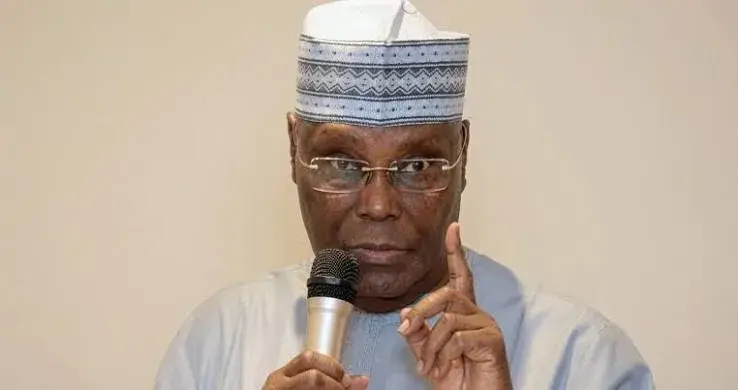
2027 Elections: Atiku Demands Access to Nigeria’s 103m Voters
23 Oct 2026
Politics
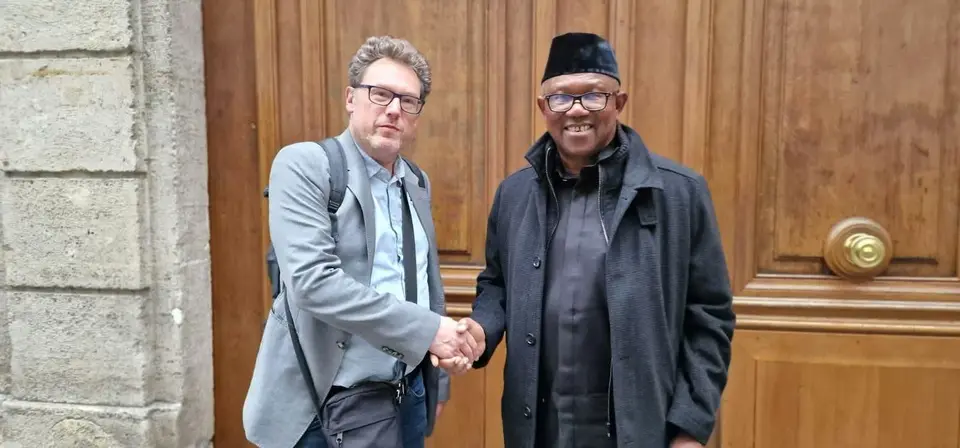
Peter Obi Pushes Production-Driven Economy at ECFR Roundtable in Paris
20 Oct 2026
Politics
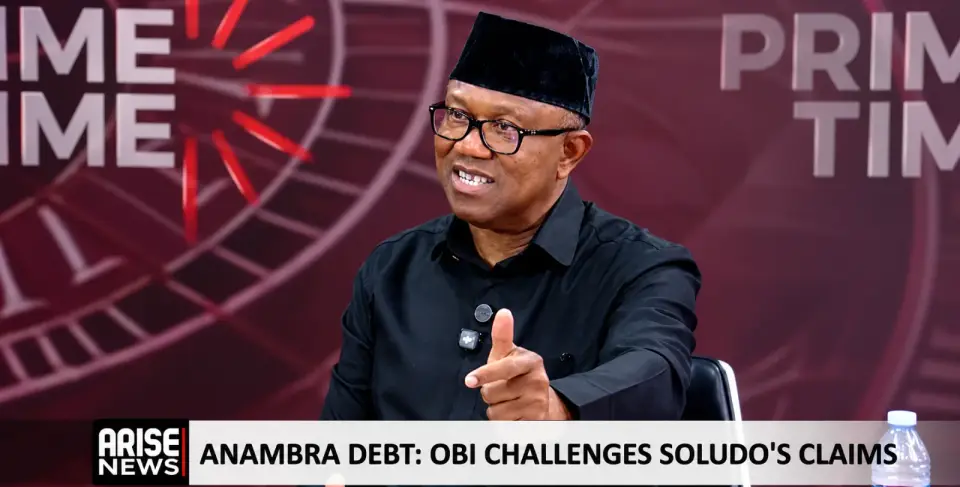
Peter Obi: I Left Anambra Financially Strong, Debt Claims Are Wrong Public Accounting
25 Sept 2026
Politics
Atiku Urges Nigerians to Collect PVCs, Pledges Economic Relief if Elected
15 Oct 2026
Politics
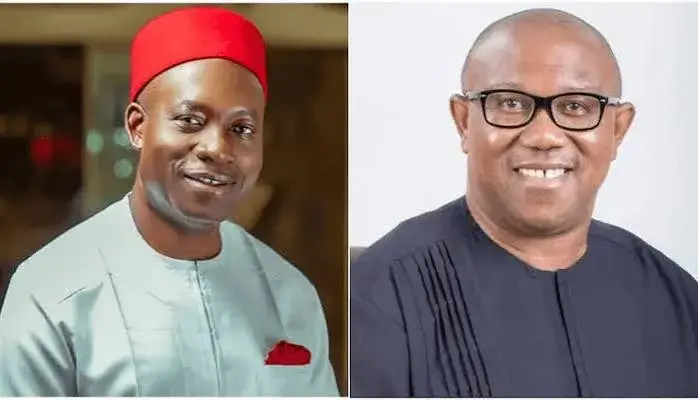
Anambra Escalates Peter Obi Fight, Tells APGA Supporters to Resist NDC
5 Oct 2026
Partner with Follow Global Trends
Display banners, sponsored stories and founder spotlights.
You may also like
Politics
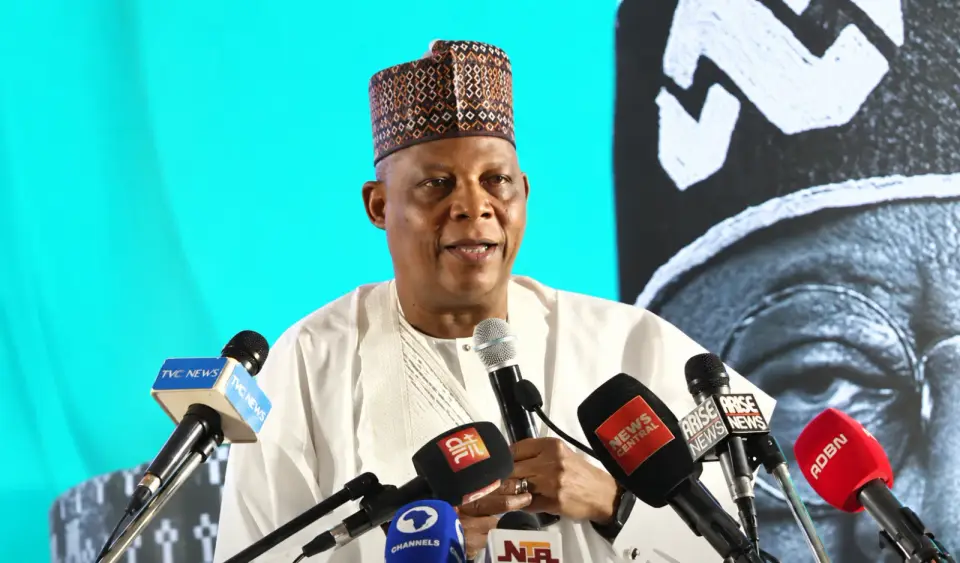
“I Respect Peter Obi,” Shettima Declares at APC Campaign Council Inauguration
14 Oct 2026
Politics
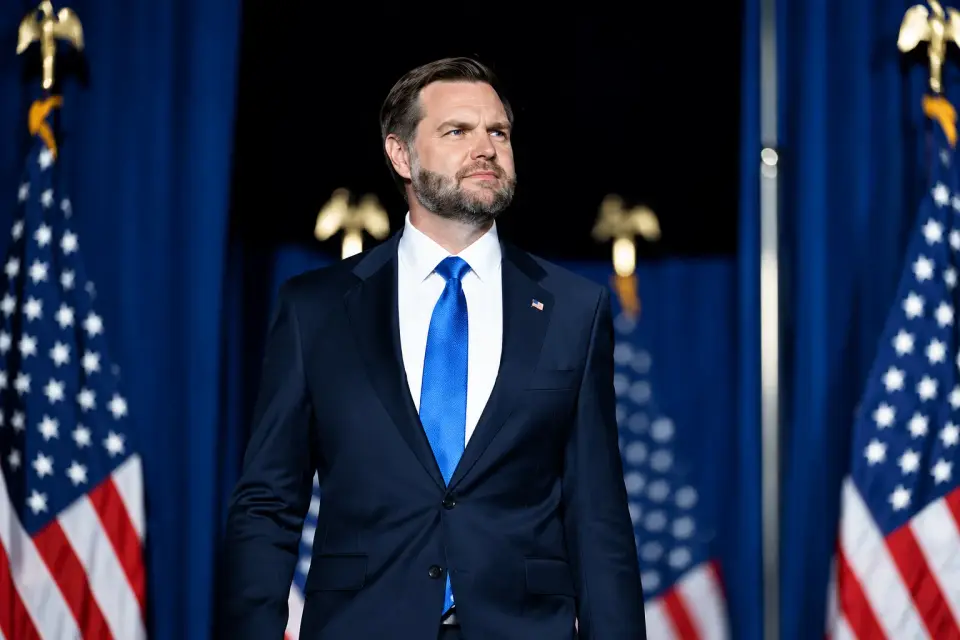
Vance Declines to Endorse Netanyahu Ahead of Israeli Election
21 Oct 2026
Politics
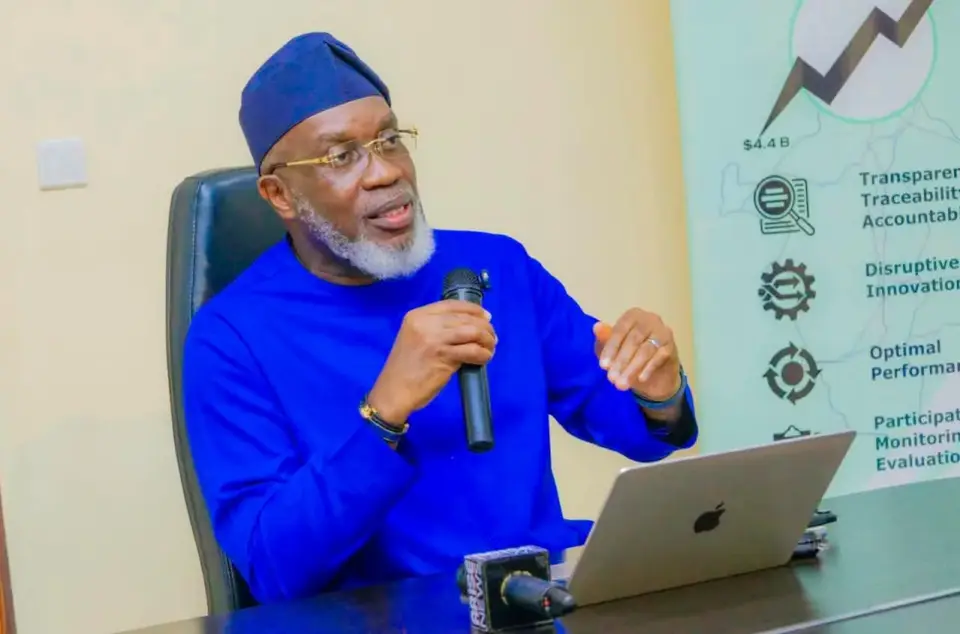
Enugu Govt, NDC Trade Blame After Airport Clash and Secretariat Shooting
12 Oct 2026
Politics
Atiku Slams Tinubu’s 30-Day Fuel Discount as a ‘Publicity Stunt’
9 Oct 2026
Politics
2027 Elections: 9.3 Million Young Nigerians Join The Register
2 Oct 2026
Politics
UK Foreign Secretary’s Handshake With Iranian Minister Sparks Backlash
26 Sept 2026