UK Foreign Secretary’s Handshake With Iranian Minister Sparks Backlash
Britain’s Foreign Secretary has come under political fire after a handshake with Iran’s top diplomat at the UN General Assembly, with critics accusing the government of legitimizing Tehran while ministers defend the meeting as necessary diplomacy.
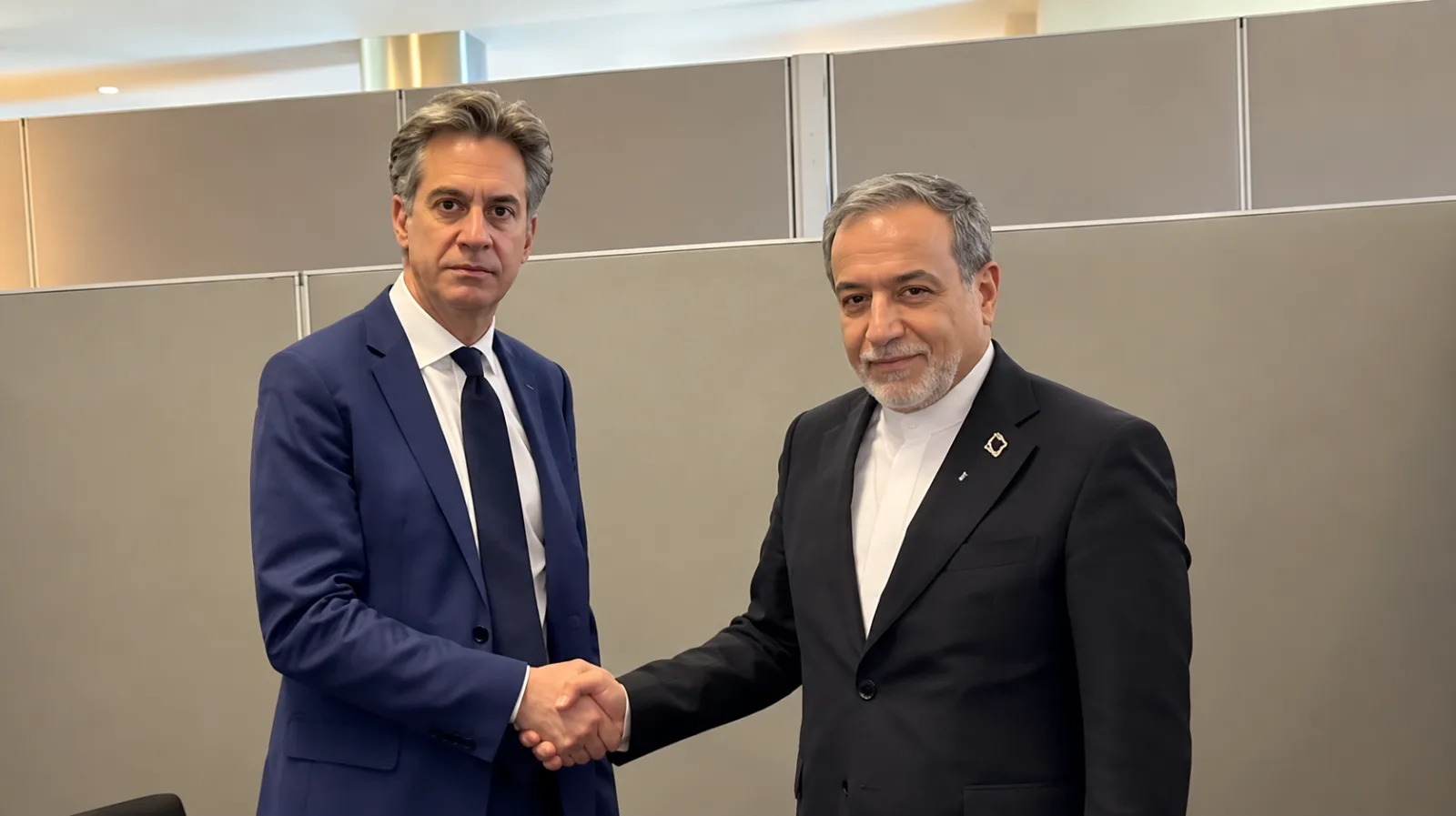
Britain’s Foreign Secretary Ed Miliband is facing mounting criticism after he was photographed shaking hands with Iranian Foreign Minister Abbas Araghchi during a meeting on the sidelines of the 81st United Nations General Assembly in New York, reigniting debate over how Western governments should engage with Iran amid ongoing Middle East tensions.
The meeting took place on Thursday as both diplomats held talks on regional security, the conflict in the Middle East, the reopening of the Strait of Hormuz and what British officials described as threats linked to Iran on UK soil. Although the encounter was part of wider diplomatic discussions taking place during UNGA, images of the handshake quickly circulated online and drew criticism from opposition politicians.
According to British media reports, the discussions centred on reducing regional tensions and maintaining freedom of navigation through the Strait of Hormuz, one of the world’s most strategically important oil shipping routes. The talks came just as Iran was promoting a new proposal to reopen the waterway and revive negotiations with the United States following the collapse of a June memorandum of understanding.
The strongest criticism came from Shadow Foreign Office Secretary Tom Tugendhat, who argued that the public handshake sent the wrong message at a time when Britain continues to accuse Iran of hostile activities affecting UK interests.
“The Iranian regime has done nothing to justify any senior British minister meeting their envoys,” Tugendhat said.
He added that the encounter amounted to “legitimizing a regime that has often tried to harm our people.”
The criticism reflects broader political divisions in the UK over whether direct engagement with Tehran risks weakening Britain’s stance on sanctions, regional security and alleged Iranian-linked activities.
Despite the backlash, UK officials have defended the meeting as a routine diplomatic engagement rather than a shift in policy. Government sources stressed that maintaining direct communication with adversaries is often essential during periods of heightened international tension, particularly when issues involving maritime security, conflict de-escalation and regional stability are under discussion.
They also emphasized that the meeting did not alter Britain’s position on Iran’s regional conduct or existing sanctions, arguing that diplomacy and political disagreement are not mutually exclusive.
The Strait of Hormuz remains central to current diplomatic efforts. Situated between Iran and Oman, the narrow maritime passage carries roughly one-fifth of global oil consumption, making any disruption a direct concern for global energy markets.
Araghchi has spent the week urging Western governments to support Tehran’s proposal to restore normal maritime passage, while insisting that sanctions relief and broader security guarantees remain essential to any lasting agreement. Britain, alongside its allies, has continued to call for freedom of navigation while advocating diplomatic solutions to prevent further escalation in the Gulf.
The controversy surrounding Miliband’s handshake illustrates the increasingly difficult balance facing Western diplomats. At multilateral forums such as the United Nations, engagement with rival governments is often unavoidable, yet symbolic gestures can rapidly become domestic political flashpoints. As tensions across the Middle East continue to shape global security and energy markets, Britain’s challenge will be maintaining open diplomatic channels without appearing to soften its position on issues it regards as matters of national security.
More on Politics
Politics
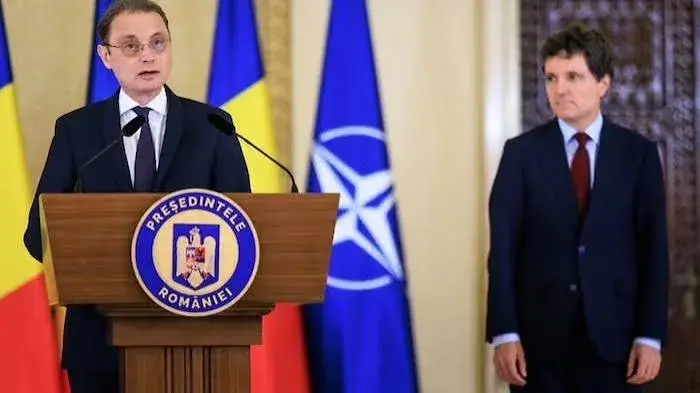
Romania Names Luca Niculescu as PM Nominee in Fourth Bid to End Crisis
6 Oct 2026
Politics
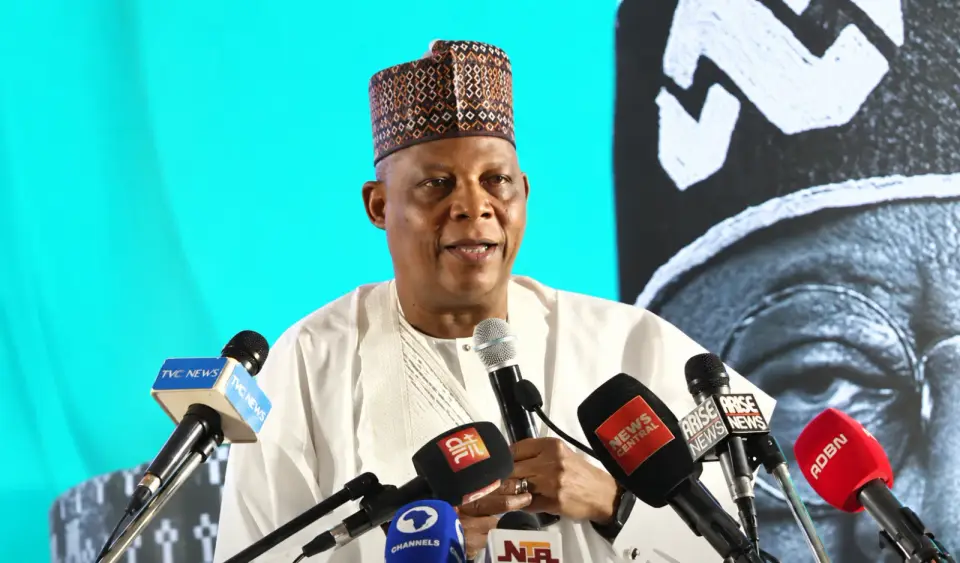
“I Respect Peter Obi,” Shettima Declares at APC Campaign Council Inauguration
14 Oct 2026
Politics
Anambra Escalates Peter Obi Fight, Tells APGA Supporters to Resist NDC
5 Oct 2026
Politics
Wike-Amaechi Rivalry Escalates as FCT Minister Demands Answers on Rivers Projects
4 Oct 2026
Politics
Nigeria at 66: Peter Obi Calls for Leadership Reset, Jobs and Security
1 Oct 2026
Partner with Follow Global Trends
Display banners, sponsored stories and founder spotlights.
You may also like
Politics
Trump Endorses Netanyahu Nine Days Before Israeli Elections
18 Oct 2026
Politics
Ukraine Ends Energy Truce With Russia, Seeks Patriot Missiles From US
16 Oct 2026
Politics
Tinubu Says He Won’t Tour Every Campaign Ground, Cites Governance Duties
15 Oct 2026
Politics
Wike, Soludo, Adeleke Join APC Campaign Council Despite Belonging to Other Parties
13 Oct 2026
Politics
Enugu Govt, NDC Trade Blame After Airport Clash and Secretariat Shooting
12 Oct 2026
Politics
Atiku Challenges Tinubu on 30 Day Petrol Discount, Demands Answers on Day 31 Plan
10 Oct 2026