
Romania Names Luca Niculescu as PM Nominee in Fourth Bid to End Crisis
Romania’s President Nicușor Dan has nominated diplomat Luca Niculescu as prime minister in a fourth attempt to break the country’s prolonged political deadlock.
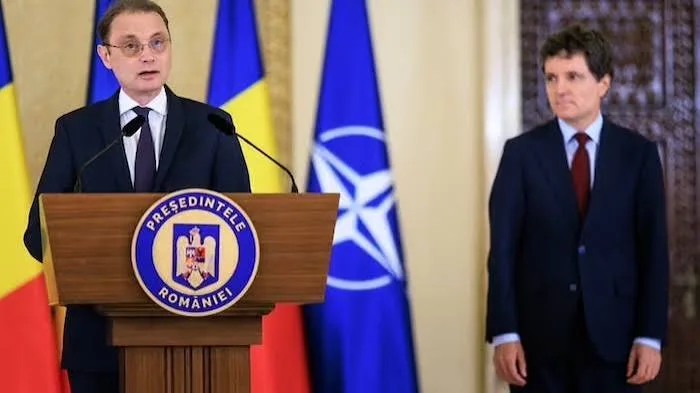
Romanian President Nicușor Dan has nominated diplomat and former journalist Luca Niculescu to become the country’s next prime minister, making him the fourth candidate asked to form a government since Romania’s political crisis began in May.
Niculescu, 55, currently serves as a state secretary at Romania’s Ministry of Foreign Affairs and coordinates the country’s process of joining the Organization for Economic Co-operation and Development (OECD). He previously served as Romania’s ambassador to France and spent more than two decades working as a journalist, including as head of RFI Romania.
Dan announced the nomination after another round of consultations with parliamentary parties. The president said he chose Niculescu because he believed the diplomat had the best prospects of securing a parliamentary majority, while giving him freedom to decide whether the next government should be made up primarily of politicians, technocrats or a combination of both.
The nomination comes after Parliament rejected the proposed government of European Parliament lawmaker Siegfried Mureșan on September 30. Mureșan's failure to win a confidence vote extended a political stalemate that began when Prime Minister Ilie Bolojan's government fell to a no-confidence motion on May 5.
Niculescu now faces the difficult task of assembling a cabinet and winning parliamentary approval. Under Romania's constitutional process, a designated prime minister has 10 days to seek a vote of confidence for the proposed government and its programme.
The response from political parties has so far been mixed. The Social Democratic Party (PSD), one of Parliament's major forces, has criticised the choice, with party leader Sorin Grindeanu arguing that the nomination does not sufficiently reflect the parliamentary balance. PSD is expected to discuss its position formally.
The National Liberal Party (PNL) and the Save Romania Union (USR) have both indicated that they will first examine Niculescu's proposed government programme, ministerial team and the parliamentary support behind it before deciding whether to back the investiture vote. The Democratic Alliance of Hungarians in Romania (UDMR) has indicated that it could support Niculescu, provided the coalition-building process does not involve the far-right AUR or S.O.S. Romania.
AUR leader George Simion has rejected the nomination and said his party will not vote for a Niculescu-led government. S.O.S. Romania has also said it will oppose the proposed government. Those positions make the arithmetic in Parliament particularly important as Niculescu begins negotiations.
Beyond the political negotiations, Romania is facing growing economic pressure. The prolonged uncertainty has weakened the national currency and pushed up borrowing costs, while credit-rating agencies have warned about the consequences of continued political instability and slow progress on fiscal consolidation. S&P Global currently places Romania at the lowest level of investment grade with a negative outlook.
The pressure has become visible in financial markets. Romania's leu fell to a fresh record low against the euro on October 6, with the National Bank setting the exchange rate at 5.3527 lei per euro. The currency had already reached a previous record just days earlier.
The next government will also inherit difficult fiscal decisions, including preparations for the 2027 budget and efforts to reduce Romania's large budget deficit while maintaining investor confidence. President Dan has stressed the need for a government capable of meeting the country's financial commitments and maintaining its pro-Western orientation.
The nomination of Niculescu therefore represents another attempt to move Romania beyond a political impasse that has already lasted several months, but the appointment itself does not resolve the crisis. His success will depend on whether he can translate his diplomatic and technocratic credentials into a workable parliamentary majority. With the economy under increasing pressure and the prospect of early elections still hanging over the country, the coming negotiations will determine whether Romania finally gets a functioning government or enters another round of political uncertainty.
More on Politics
Politics
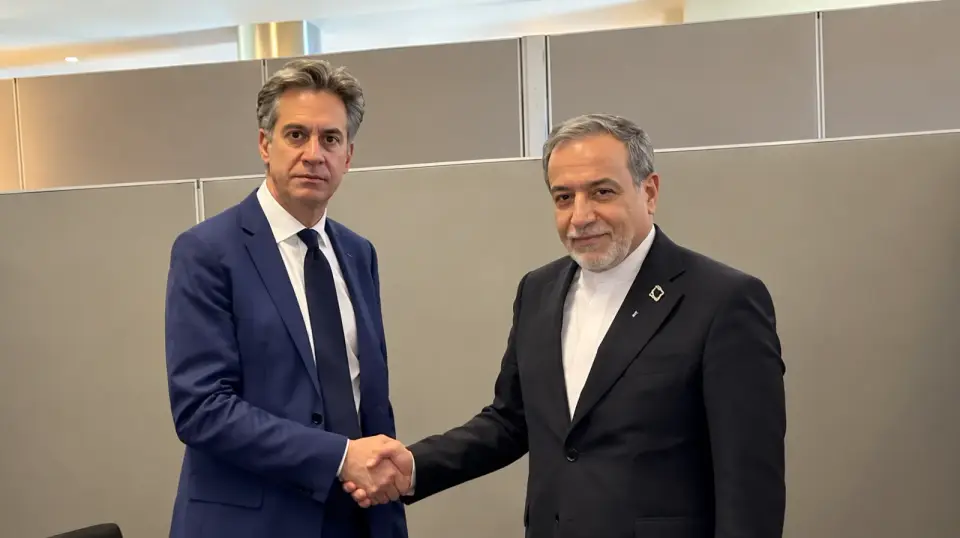
UK Foreign Secretary’s Handshake With Iranian Minister Sparks Backlash
26 Sept 2026
Politics
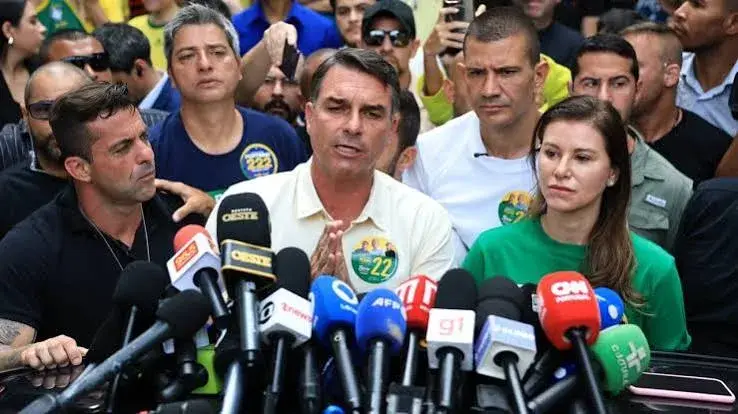
Brazil Election Shock: Flávio Bolsonaro Beats Lula in First Round
5 Oct 2026
Politics
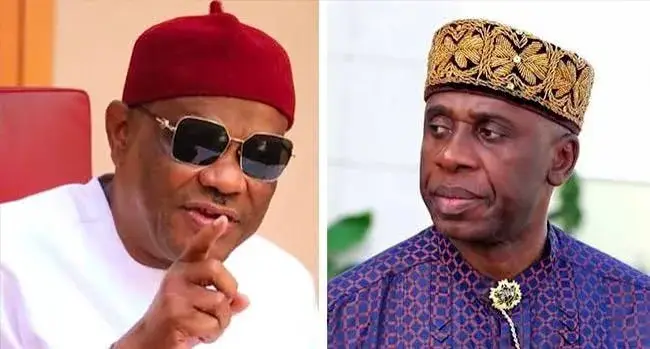
Wike-Amaechi Rivalry Escalates as FCT Minister Demands Answers on Rivers Projects
4 Oct 2026
Politics
Brazil Suspends Sports Betting to Protect Election Integrity
28 Sept 2026
Politics
Shettima: Only Six Northern Governors Backed Tinubu in 2023 Election
17 Sept 2026
You may also like
Politics
2027: Wike Blasts APC Governors as “Politically Lazy”, Says Tinubu Knows About Rainbow Coalition
16 Sept 2026
Politics
Anambra Escalates Peter Obi Fight, Tells APGA Supporters to Resist NDC
5 Oct 2026
Politics
Brazil Votes in Pivotal Election as Lula and Bolsonaro Rival Vie for Presidency
4 Oct 2026
Politics
Ex-SGF Babachir Lawal Joins NDC, Endorses Obi–Kwankwaso Ticket
23 Sept 2026
Politics
Wike: We Allowed Peter Obi to Win South-South to Reduce Atiku’s Votes
22 Sept 2026
Politics
Anyim: I Believe Presidency Will Go North After Tinubu’s Second Term, Then Return to South-East
22 Sept 2026