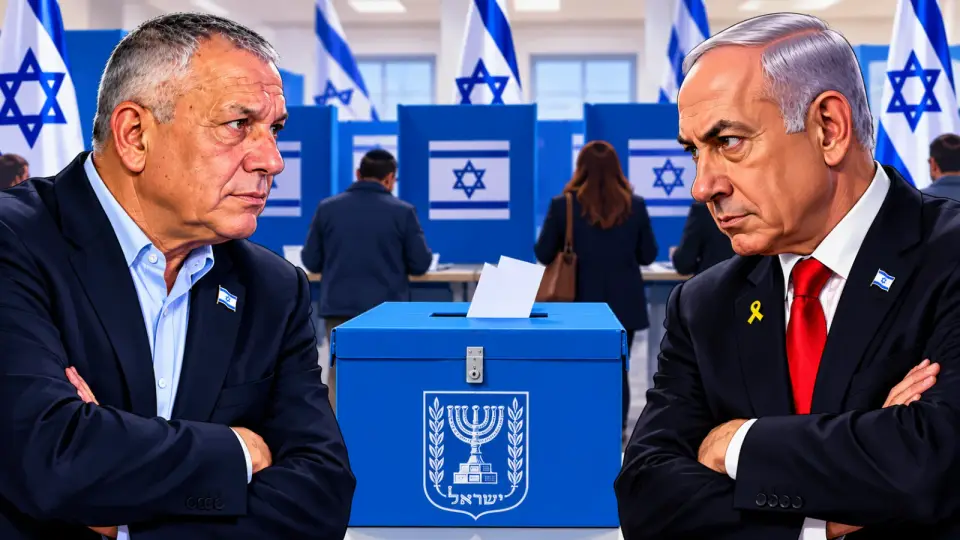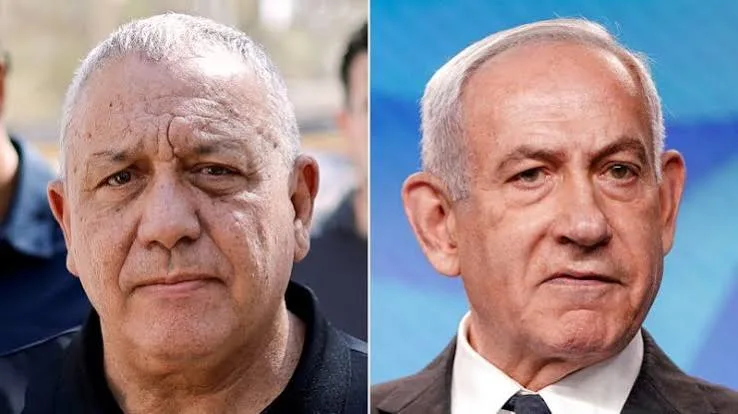
Opposition figure Eisenkot leads Netanyahu in exit polls released late Tuesday night across major Israeli television networks, following the nation's most consequential general election in decades. Television exit projections from Kan 11, Channel 12, and Reshet 13 show Eisenkot’s anti-Netanyahu coalition securing between 52 and 53 seats, compared to approximately 50 seats for Netanyahu’s right-wing bloc in the 120-seat Knesset.
The projections indicate a sharp decline for Netanyahu’s ruling alliance, which held 64 seats following the November 2022 elections. Voter participation reached four-decade highs, with the Central Elections Committee recording turnout surpassing 74 percent by early evening as citizens cast ballots after three years of continuous regional conflict.
While Eisenkot's bloc has taken a narrow lead, both primary alliances remain short of the 61-seat threshold required to form a working majority government.
Coalition Arithmetic and Arab Party Leverage Netanyahu's Likud party is projected to remain the single largest party in parliament with 24 to 25 seats. Eisenkot's newly established Yashar party follows closely behind, with exit surveys forecasting between 21 and 23 seats.
The mathematical deadlock leaves the Knesset divided into three distinct segments. Arab-led factions, including Hadash-Ta'al and Ra'am, are projected to capture a combined 17 to 18 seats, creating a significant challenge for any prime minister-designate attempting to cobble together a sustainable coalition.
Speaking after the polls closed, Eisenkot declared the numbers an unequivocal vote of no confidence against Netanyahu and the government responsible for October 7. He vowed to move swiftly to establish a broad, security-focused administration committed to equitable national military service.
Netanyahu's campaign headquarters in Jerusalem remained quiet following the broadcast of the projections, with senior Likud officials delaying formal remarks pending the tally of real ballots.
Long Road to Coalition Negotiations The election served as a direct public referendum on Netanyahu’s governance, wartime military strategy, and handling of hostage negotiations over the past three years.
Because exit polls have historically fluctuated by crucial margins in Israeli politics, election officials cautioned that official results will take several days to finalize. Envelopes containing military, diplomatic, and absentee ballots often shift final seat tallies by one or two decisive mandates.
Should the projected numbers hold, President Isaac Herzog will invite party leaders for formal consultations before assigning the mandate to assemble a cabinet. Eisenkot would face a challenging task to unite a diverse ideological spectrum spanning right-wing nationalists, center-left liberals, and external legislative arrangements with Arab parties.
Failure to bridge those deep divisions in the weeks ahead could push Israel back toward political paralysis, leaving the country facing extended coalition negotiations or repeat elections.