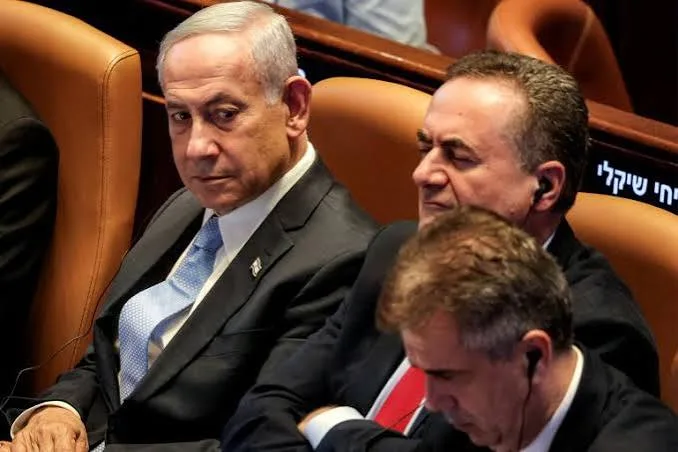
The Knesset, Israel’s 120-member parliament, elected Matan Kahana on Tuesday, November 17. He belongs to the centre-right Yashar party, led by former military chief Gadi Eisenkot.
Kahana secured 66 votes, defeating the candidate backed by Netanyahu’s Likud party. He replaces Amir Ohana, a close Netanyahu ally who previously held the speakership.
The vote followed a lengthy parliamentary effort by Netanyahu’s supporters to delay the change. Lawmakers from his bloc reportedly used a six-hour filibuster before the election proceeded.
Kahana promised to serve as speaker for all Israelis. He also said the Knesset would respect court rulings.
His election marks a significant shift inside parliament. The speaker helps determine which bills receive attention and when lawmakers debate or vote on them.
Why the New Speaker Matters to Netanyahu
The Knesset speaker does more than chair parliamentary sessions. The position carries influence over the legislative timetable and the progress of proposed laws.
That authority gives Kahana’s supporters an opportunity to advance measures Netanyahu’s government had resisted.
Among the proposals facing renewed attention are plans for an independent inquiry into the October 7, 2023 Hamas-led attacks. Other priorities include setting limits on prime ministers’ time in office and reversing controversial judicial changes.
The October 7 attacks triggered the war in Gaza and became a major focus of debate over Israel’s security and political leadership.
The proposed inquiry would examine the failures that allowed the attacks to happen. Netanyahu’s critics have argued that an independent investigation is necessary to establish responsibility.
The new speaker could help bring such proposals forward. However, parliamentary control does not automatically guarantee that they will become law.
Bills must still pass through the required legislative stages. Their success will depend on support from lawmakers across the Knesset.
Netanyahu’s Rivals Have a Parliamentary Majority
The speaker election follows Israel’s October 27 parliamentary election, which left the country without a clear governing majority.
Netanyahu’s Likud-led alliance holds 53 seats in the Knesset. Eisenkot’s Jewish-led political bloc holds 48, while Arab-led parties control another 19 seats.
Together, parties opposed to Netanyahu have the numbers to influence parliamentary decisions. Their support helped Kahana secure the speakership.
However, the opposition is not a single unified political party. Its members have different priorities, and cooperation on one vote does not guarantee agreement on every issue.
President Isaac Herzog has given Eisenkot the first opportunity to form a new government. He has 28 days to reach an agreement, with a possible 14-day extension.
Eisenkot must negotiate with potential partners and secure enough parliamentary support. The role of Arab-led parties could prove important, although cooperation remains politically complicated.
Netanyahu remains caretaker prime minister while the process continues. If Eisenkot fails to form a government, the president may give another candidate an opportunity, potentially leading to another election if no coalition emerges.
What the Knesset Shift Means for Israel
Kahana’s election gives Netanyahu’s opponents a stronger position before a new government takes office. It also creates an opportunity to revisit laws and policies that have shaped Israel’s political system.
The shift could affect debates about judicial oversight, government accountability and the investigation of the October 7 attacks.
But the result does not mean Netanyahu has immediately lost the premiership. He remains caretaker prime minister until a new coalition government is established.
The coming weeks will therefore be important. Eisenkot must show that the parliamentary majority behind Kahana can also support a functioning government.
For Netanyahu, losing the speakership weakens his allies’ influence over parliamentary business. For Israel, the larger question is whether this new balance of power can produce a stable government and meaningful legislative change.