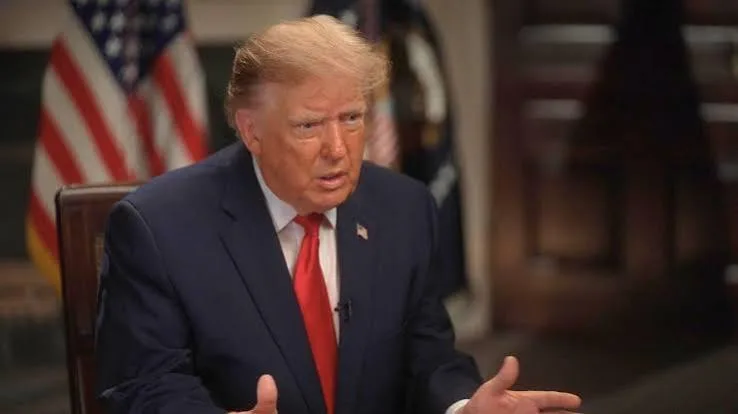
Trump blames Iran war, anti-Israel sentiment for midterm losses as the White House conducts its first comprehensive post-election review following Republican congressional defeats.
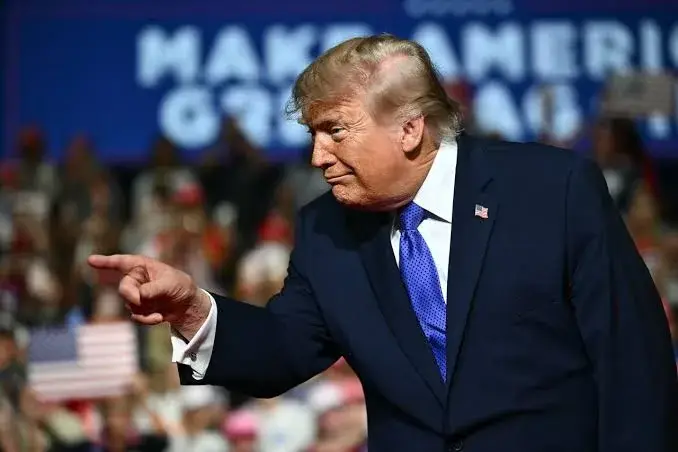
The United States president set out his assessment during a broad interview with CBS News' 60 Minutes broadcast on Sunday evening, November 8, 2026.
The interview marks Trump's most direct public analysis since the midterm elections resulted in the Democratic Party securing majorities in both the House of Representatives and the Senate.
Domestic Friction over Foreign Conflict and Energy Costs
Reflecting on the nationwide voting outcome, Trump contended that foreign military entanglements and consumer inflation severely weakened Republican campaigns across competitive districts.
"They didn't like the war. They didn't like the fact that gasoline went up," Trump told correspondent Ross Douthat during the interview at the White House.
"There's a great dislike, incredibly, for Israel. There seems to be a dislike for Israel. So you have that, you have the war itself, you have the gas prices, and I think those are the primary reasons," he stated.
Trump argued that his personal appeal remains popular with voters, asserting that congressional candidates were unable to convert his rally enthusiasm into local ballot victories.
"Well, number one, I was not on the ballot. But I campaigned hard for some people. And I think if I was on the ballot, it would have been a much different situation because you saw the level of popularity and love," he added.
Firm Defense of Strikes on Iranian Nuclear Sites
Even as Trump blames Iran war, anti-Israel sentiment for midterm losses, he maintained that launching military strikes against Iranian nuclear infrastructure was the correct strategic decision.
Asked whether he would order the strikes again knowing the domestic political fallout, Trump gave an emphatic yes, insisting that preventing Tehran from acquiring an operational nuclear weapon outweighed short-term legislative gains.
The president claimed that American military objectives had been achieved and repeated his statement that Israel would not exist today without United States military intervention.
He also argued that Washington had been close to reaching a diplomatic settlement with Tehran before the election shifted regional calculations, remarking that both sides would have reached an accord if not for the election outcome.
Diplomatic Reality and Bipartisan Scrutiny
Trump signaled that he is not seeking further military escalation against Iran, stating that renewed hostilities remain unlikely unless diplomatic frameworks break down completely.
Foreign policy analysts observed that publicly connecting congressional losses to voter attitudes toward Israel marks an unusual departure from traditional bipartisan messaging in Washington.
The political fallout comes as the White House prepares for major diplomatic engagements, with Trump scheduled to meet Qatari Prime Minister Sheikh Mohammed bin Abdulrahman Al Thani on Monday.