Billionaire Elon Musk has publicly distanced himself from the MAGA movement, saying he considers himself politically moderate.
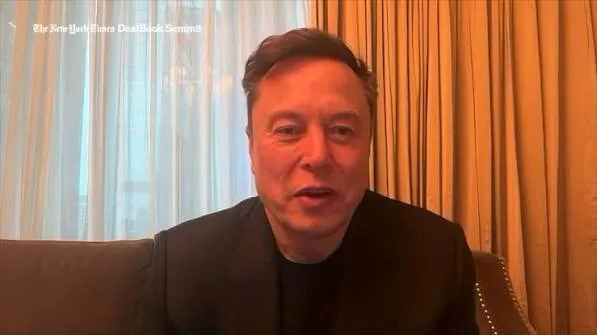
Musk made the remarks on November 18 during the New York Times DealBook Summit. He joined the interview remotely from China, where he was accompanying US President Donald Trump on an Asian trip.
Speaking with journalist Andrew Ross Sorkin, Musk rejected the idea that he blindly supports Republican policies.
“I’m not MAGA,” Musk said, while questioning what the political label means.
He added that if MAGA represents unquestioning support for Republican policies, he does not consider himself part of that group.
Musk also said he sees positives and negatives in both major American political parties.
The comments came after Republicans suffered significant losses during the 2026 midterm elections, with Democrats gaining control of Congress.
Musk says he regrets spending hundreds of millions
Musk also acknowledged that he may have spent too much money supporting Republican candidates during the midterm election campaign.
The billionaire reportedly invested hundreds of millions of dollars in political groups supporting Republican candidates.
During the interview, he said he felt “pretty foolish” about spending so much money without seeing the expected results.
Musk added that he might have spent less if he could make the decision again.
He acknowledged that money alone cannot determine the outcome of American elections.
The comments represent a notable shift in tone following Musk's extensive involvement in Republican political campaigns.
Earlier reporting documented Musk's significant donations to Republican-aligned groups. Follow Global Trends previously reported on his political spending in its article, Elon Musk Donates $276 Million to Boost Republicans Chances Ahead of US Midterms.
Republicans suffered major electoral setbacks
The billionaire's remarks followed a difficult election night for Republicans.
Democrats secured victories across several major races, taking control of both chambers of Congress and winning important statewide contests.
One notable defeat involved Texas Republican Senate candidate Ken Paxton, who lost to Democrat James Talarico.
Musk reportedly spent heavily supporting Republican candidates, including significant funding directed toward the Texas Senate race.
The results have renewed questions about the influence of billionaire donors in American politics.
Despite spending enormous sums, political candidates still depend on voter support, local issues and campaign messaging to win elections.
Musk's political identity has changed over time
Musk's latest comments contrast with his highly visible support for Trump and the MAGA movement during the 2024 presidential campaign.
At a rally in October 2024, Musk famously described himself as “Dark MAGA.”
He subsequently became one of Trump's prominent political supporters and served in the administration in 2025, leading efforts associated with the Department of Government Efficiency.
His political involvement attracted widespread attention because of his influence across technology, business and government.
Musk's companies, including Tesla and SpaceX, also operate in industries affected by federal policy, government contracts and regulation.
His relationship with Trump has experienced periods of tension and reconciliation, particularly over government spending, legislation and political priorities.
What Musk's comments could mean
Musk's statement does not necessarily represent a complete break with Trump or the Republican Party.
He specifically explained that he rejects what he described as blind political loyalty. He did not say that he had abandoned all Republican positions or would stop supporting political candidates.
His comments may instead reflect a broader effort to describe his political identity independently of party labels.
The billionaire's future political spending and endorsements could provide a clearer indication of whether his approach has changed.
For now, his remarks have reopened debate about the role of wealthy technology leaders in American politics and whether political influence purchased through campaign spending can translate into electoral success.