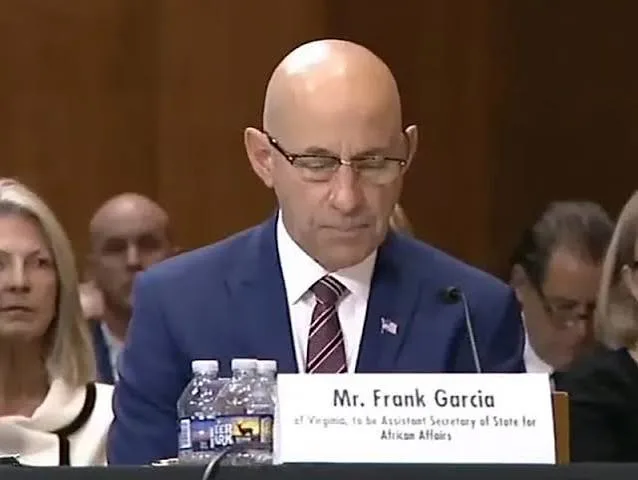
The United States government has warned that heightened political campaigning could worsen violence ahead of Nigeria’s upcoming general elections. Testifying before the U.S. House Foreign Affairs Subcommittee on Africa in Washington, Assistant Secretary of State for African Affairs Frank Garcia identified the upcoming national ballot as a critical flashpoint for stability in West Africa.
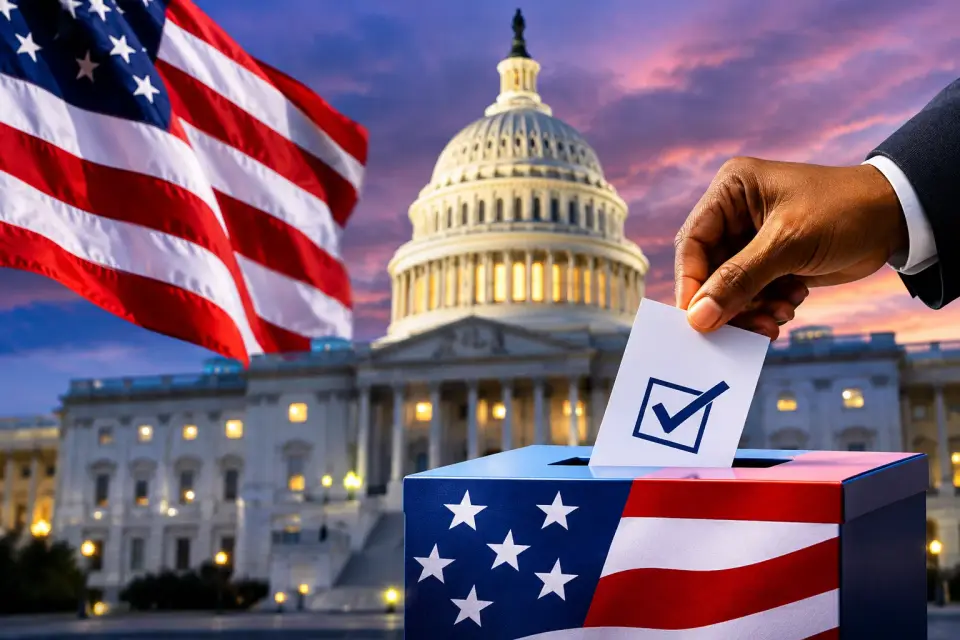
Garcia told lawmakers that Washington is preparing for significant domestic pressures as Nigeria gears up for its presidential and parliamentary elections, scheduled for January 16, 2027. He stressed that political competition often inflames existing grievances in areas already struggling with communal conflict.
"I am realistic about the challenges ahead," Garcia stated in his testimony. "For example, Nigeria will hold presidential elections in January, which could spur violence."
Security Architecture Stretched Thin Across the Middle Belt
The congressional hearing, titled One Year Later: Assessing Nigeria’s Efforts to Protect Christians and Secure the Middle Belt, examined ongoing insecurity, protection of vulnerable farming settlements, and religious freedom issues across northern and central Nigeria.
Garcia explained that several structural deficits hinder effective law enforcement and peacebuilding in Nigeria's interior. He cited an overstretched military and police architecture, inadequate funding, and a lack of judicial courts and prosecutors outside major urban centres as primary obstacles to curbing recurrent attacks.
While acknowledging positive steps by Nigerian authorities—including expanded forest guard patrols and recent arrests of suspected bandits—Garcia noted that these interventions have not yet stopped deadly assaults on rural farming communities. Washington designated Nigeria as a Country of Particular Concern (CPC) under President Donald Trump regarding religious freedom concerns, an executive classification that established a bilateral Joint Working Group between Abuja and Washington.
Bilateral Diplomatic Engagement and Joint Monitoring
The hearing underscored growing bipartisan scrutiny on Capitol Hill regarding Nigeria's electoral preparedness. Representative Riley Moore demanded robust international observation, telling the subcommittee that American authorities must track developments before, during, and after polling day "like a hawk."
In response, Assistant Secretary of State for Democracy, Human Rights, and Labor Riley Barnes confirmed that the State Department operates a specialized team tracking global elections, with Nigeria designated as an urgent priority.
The State Department confirmed it is working closely with the Independent National Electoral Commission (INEC), civil society coalitions, and security agencies through the Joint Working Group. Bilateral discussions currently center on early-warning response systems, rapid troop deployments to rural polling stations, and holding perpetrators of political violence legally accountable.
Nigeria's Roadmap Toward the January 2027 Ballot
The January 2027 election represents one of the largest democratic exercises in Africa, involving tens of millions of registered voters across 36 states and the Federal Capital Territory. As political parties begin primary preparations and coalition discussions, the security of ballot materials and voter turnout in volatile regions remain paramount concerns for domestic observers and international partners alike.
Washington emphasized that its engagement will remain diplomatic, technical, and preventative, focusing on human rights standards, institutional accountability, and transparent vote tabulations to ensure public confidence in the eventual results.