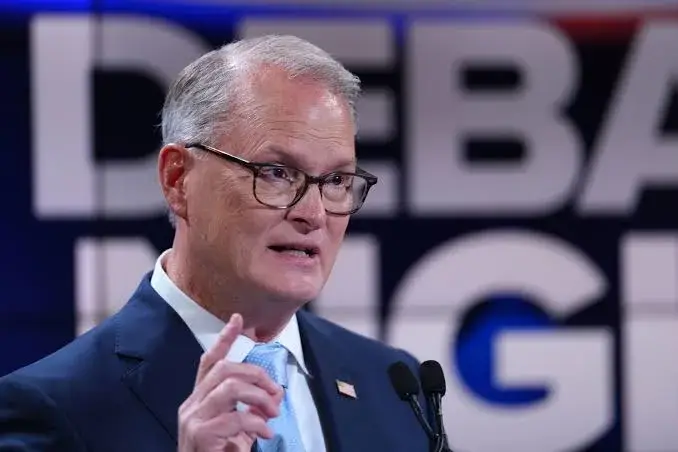
Democrat Abdul El-Sayed has won the high-stakes Michigan Senate race, turning back a determined challenge from Republican Mike Rogers.
The 42-year-old physician and former Detroit health director secured a decisive victory in one of the most closely contested battles of the midterm elections. His triumph preserves Democratic control of the seat left open by retiring Senator Gary Peters and makes El-Sayed the first Muslim American ever elected to the Senate.
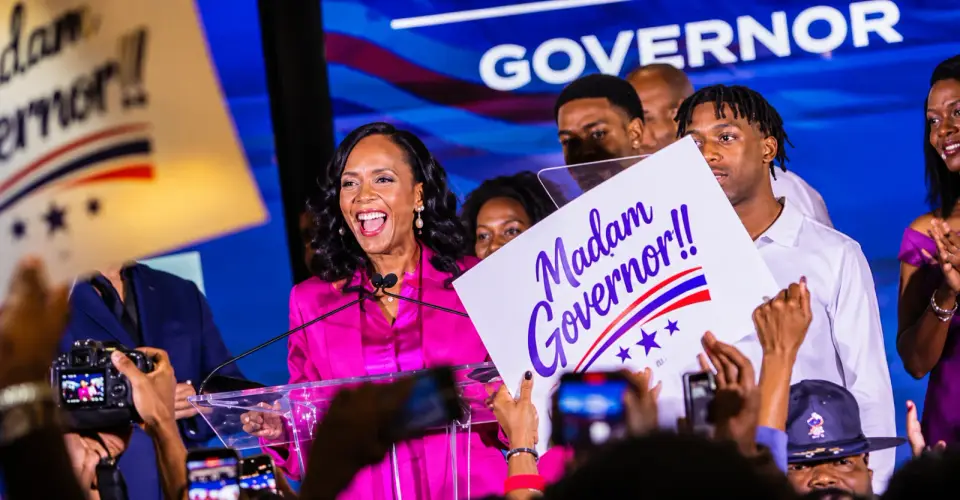
Addressing supporters in Detroit early Wednesday, the senator-elect thanked voters for backing an insurgent campaign that defied conventional political wisdom across the industrial Midwest.
Economic Arguments Shift Midwest Battleground
Throughout the general election campaign, the Michigan Senate race centered on everyday pocketbook pressures, consumer inflation, and manufacturing jobs.
El-Sayed focused heavily on working-class frustration over fuel prices and household grocery costs. He repeatedly linked broader federal policies, including trade tariffs and overseas conflicts, to price spikes hitting Michigan families.
To expand his coalition into suburban and rural counties, El-Sayed campaigned directly on healthcare reform and federal price limits for life-saving prescription drugs. He argued that corporate price-gouging was eroding family budgets and pledged to reject corporate political donations.
Rogers, a former congressman and national security figure, campaigned on conservative economic policies, fiscal restraint, and border enforcement. He sought to portray his rival's progressive platform as out of step with traditional blue-collar voters.
Building a Diverse Coalition Across Michigan
The victory proved that an unapologetically progressive candidate could build a winning statewide coalition in a perennial presidential battleground.
Turnout surged among young voters, union households, and Arab American communities across Wayne and Washtenaw counties. At the same time, strong margins in Grand Rapids and Oakland County helped offset Republican strength in rural northern communities.
National progressive leaders rallied behind the campaign during competitive primary and general election stretches. Organizers highlighted his background in epidemiology, framing his public health record as practical preparation for federal governance.
The result marks the continuation of a long-running Republican drought in Michigan Senate contests, extending a Democratic winning streak that dates back three decades.
High Stakes and National Repercussions
The outcome delivers an essential seat for Senate Democrats as national party leaders navigate a divided capital.
Party strategists viewed Michigan as an indispensable battleground where any slip could shift committee control and derail legislative agendas. By withstanding intense advertising barrages, El-Sayed demonstrated that economic populism remains an effective counter to conservative messaging in industrial states.
As transition plans get underway, the incoming senator will prepare for committee assignments focused on health access, economic development, and Great Lakes environmental protections.