
Brazil Votes in Tight Run-Off Between Lula and Bolsonaro’s Son
Brazilian voters are choosing between left-wing President Luiz Inácio Lula da Silva and right-wing senator Flávio Bolsonaro in a closely contested presidential run-off that could reshape the country’s domestic policies and its relations with the United States.
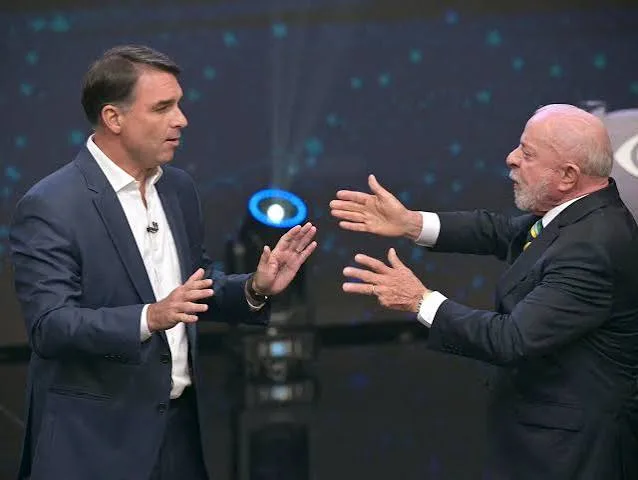
Brazilian voters went to the polls on Sunday, October 25, in a tightly contested presidential run-off between incumbent Luiz Inácio Lula da Silva and Flávio Bolsonaro, the son of imprisoned former president Jair Bolsonaro, in an election that could shift Latin America’s largest economy further to the right or preserve its current left-of-centre leadership.
The contest follows an October 4 first round in which Flávio Bolsonaro finished ahead of Lula by more than 2.2 million votes, sending both candidates into a decisive second round. With neither securing an outright victory, the winner must obtain more than half of valid votes cast in Sunday’s ballot. More than 33 million of Brazil’s nearly 160 million registered voters did not participate in the first round, leaving turnout a significant factor in the final result.
Opinion polls released in the final days of campaigning showed the candidates separated by only a narrow margin. A Datafolha survey conducted on October 23 and 24 put Flávio Bolsonaro at 48% and Lula at 47% of valid votes, while a Quaest poll showed Bolsonaro at 46% and Lula at 45%. Both results were within the surveys’ stated margins of error, indicating that neither candidate had a clear lead.
Lula, 80, is seeking another term after previously serving as president from 2003 to 2010 and returning to office in 2023. His campaign has emphasised social welfare, protection for lower-income households and Brazil’s international role. However, concerns about the cost of living, public security and government performance have complicated his re-election bid, despite initiatives intended to ease household and business debt.
Flávio Bolsonaro, a senator and a prominent figure on Brazil’s political right, has campaigned on tougher action against crime, reducing food costs and closer relations with Washington. His candidacy has also drawn support from voters who want a change in government and from supporters of his father, who is serving a prison sentence over a conviction related to an attempted coup following the 2022 election. Flávio has pledged to pursue an amnesty for his father if elected.
The candidates’ political outlooks extend beyond Brazil’s borders. Flávio Bolsonaro is an ally of US President Donald Trump and has advocated closer cooperation with Washington, including on trade and strategic minerals. Lula, meanwhile, has criticised Trump’s trade measures against Brazil and US actions against Brazilian officials. A Bolsonaro victory could bring a significant change in the country’s diplomatic direction, while Lula’s re-election would maintain a major left-of-centre government in the region.
Both campaigns have faced political controversies. Flávio Bolsonaro has been under investigation in connection with allegations of corruption, money laundering and tax evasion surrounding money he received from former banker Daniel Vorcaro for a film about his father. Lula’s earlier corruption convictions were annulled by Brazil’s Supreme Court, allowing him to return to electoral politics. The legal cases have become part of a wider dispute over accountability and the credibility of the country’s political leadership.
Voting is conducted electronically, and Brazil’s electoral authorities generally publish results within hours of polling stations closing. Polls opened at 8 a.m. and are scheduled to close at 5 p.m. Brasília time in most of the country. Voting is compulsory for literate citizens aged 18 to 70, although eligible voters can be excused through formal procedures or face a small fine for an unjustified absence.
The outcome will determine not only who governs Brazil for the next four years but also the direction of policy in a country central to South American trade, climate diplomacy and regional politics. With the two candidates offering sharply different approaches to welfare, public security, international relations and the judiciary, the result is likely to influence Brazil’s political balance and its relationship with major global partners.
More on Politics
Politics
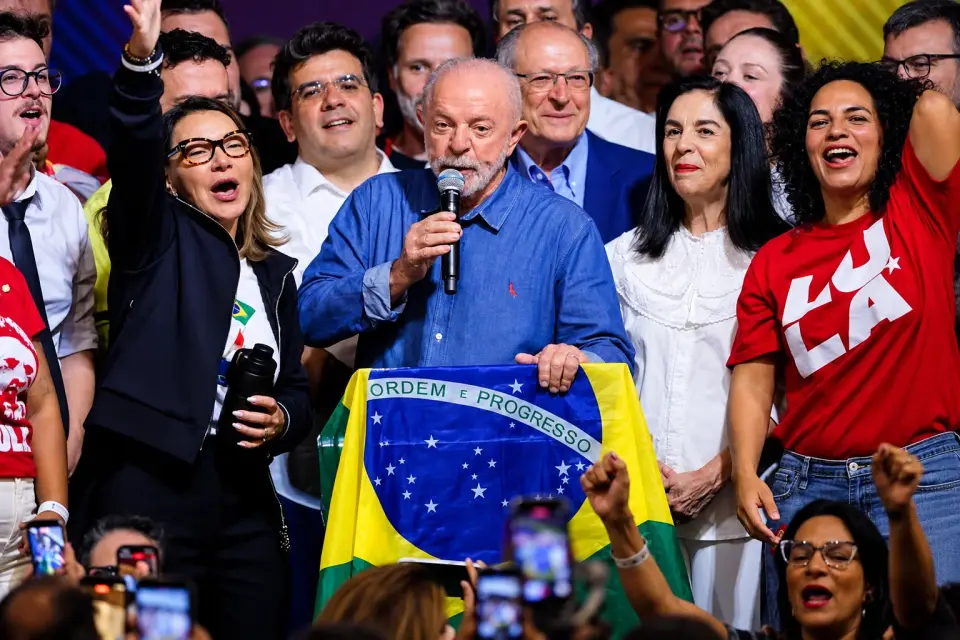
Brazil’s Lula Wins Fourth Term Over Flávio Bolsonaro
26 Oct 2026
Politics
Brazil Votes in Pivotal Election as Lula and Bolsonaro Rival Vie for Presidency
4 Oct 2026
Politics
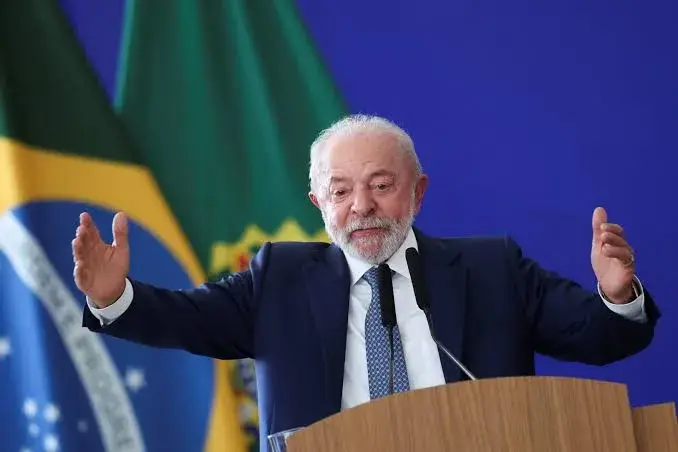
Brazil Cuts Fuel Taxes as Lula Faces Crucial Presidential Runoff
13 Oct 2026
Politics
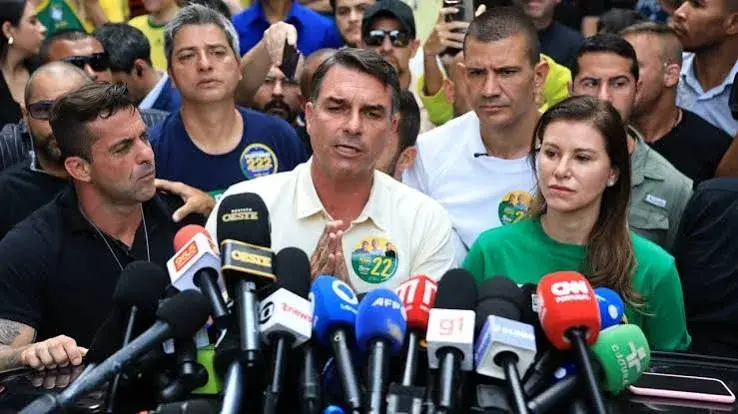
Brazil Election Shock: Flávio Bolsonaro Beats Lula in First Round
5 Oct 2026
Politics
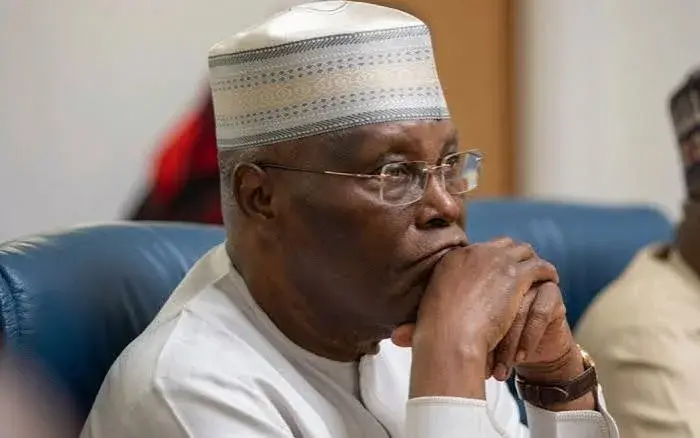
Atiku Calls Tinubu’s 90-Day Relief Plan ‘Election Bait’, Demands Answers
24 Oct 2026
Partner with Follow Global Trends
Display banners, sponsored stories and founder spotlights.
You may also like
Politics
Bus Shortages Disrupt Voting in Salvador and São Paulo on Runoff Day
25 Oct 2026
Politics
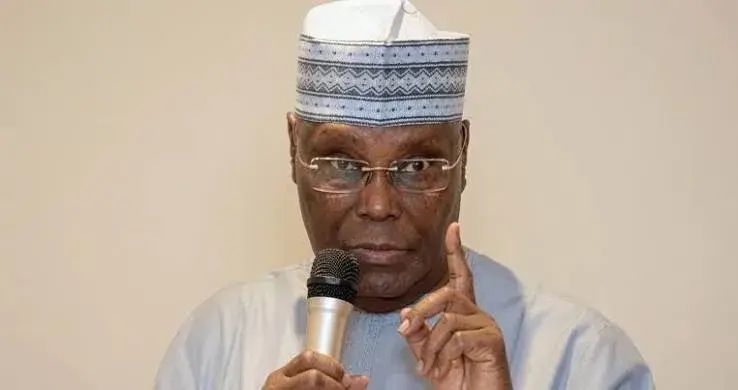
2027 Elections: Atiku Demands Access to Nigeria’s 103m Voters
23 Oct 2026
Politics
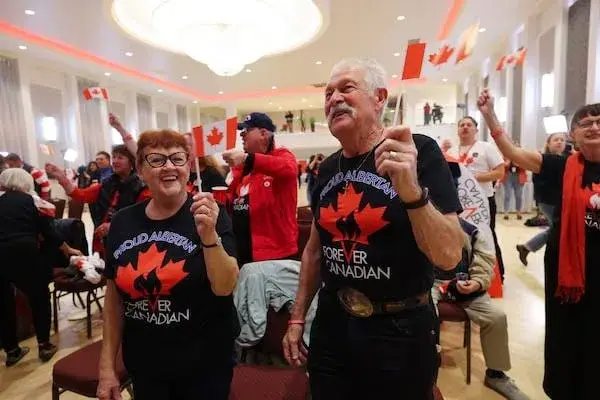
Oil-Rich Alberta Votes to Remain Part of Canada in Key Referendum
20 Oct 2026
Politics
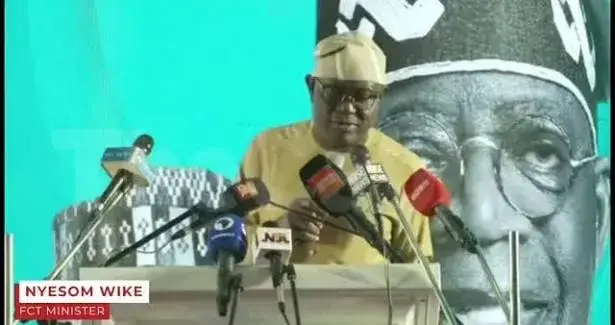
Wike to Tinubu’s Campaign Council : Don’t Claim Victory Without Delivering Your States
15 Oct 2026
Politics
Vance Declines to Endorse Netanyahu Ahead of Israeli Election
21 Oct 2026
Politics
Peter Obi Pushes Production-Driven Economy at ECFR Roundtable in Paris
20 Oct 2026