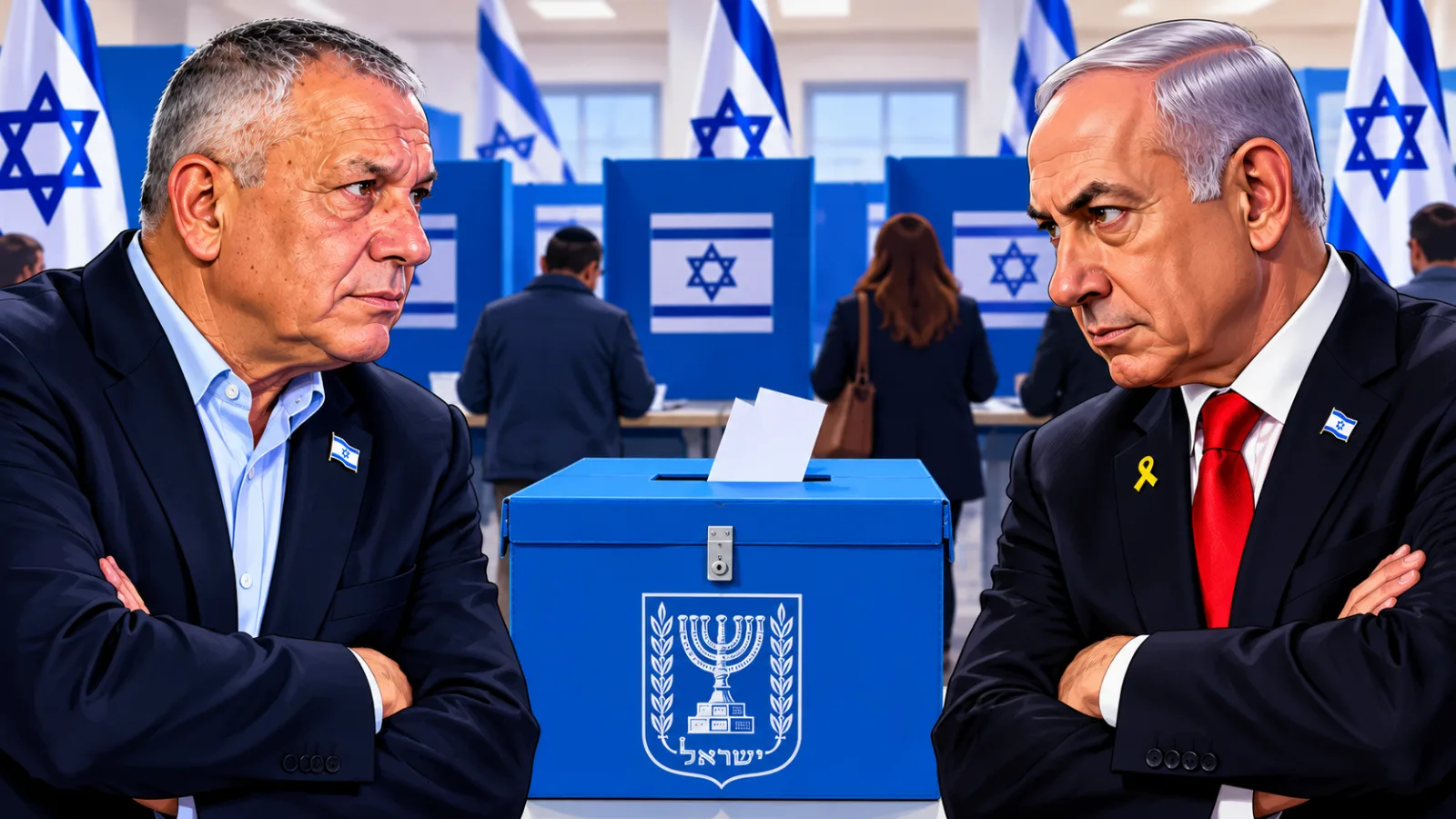
Voting began across polling stations nationwide on Tuesday morning in the first Israeli election since October 7, a ballot widely characterized as a national referendum on Benjamin Netanyahu’s wartime leadership. The historic vote comes after three years of sustained conflict in Gaza and across the wider Middle East.
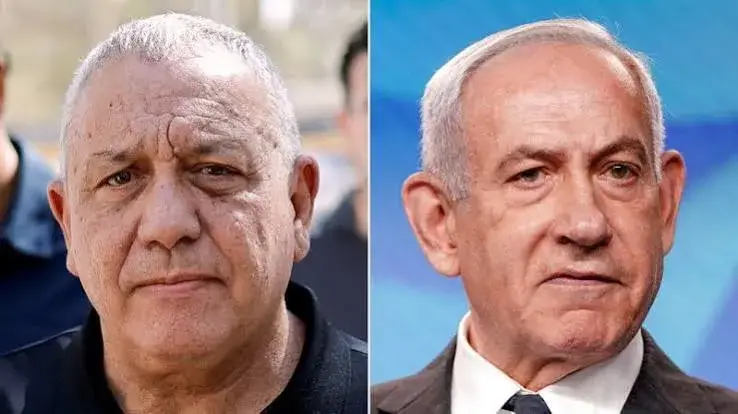
Netanyahu’s right-wing Likud party faces a formidable challenge from a broad opposition coalition fronted by Gadi Eisenkot, former chief of staff of the Israel Defense Forces. Eisenkot, who served in the emergency war cabinet and whose son Gal was killed fighting in Gaza in late 2023, has united diverse political factions behind a platform focused on national accountability and institutional renewal.
Polling stations opened at 7:00 a.m. local time and will close late Tuesday evening, with exit polls expected immediately afterward across major national broadcasters.
Referendum on Wartime Leadership and Security Failures The election campaign has centered almost entirely on national security, government accountability, and the aftermath of the October 7 disaster. Opposition leaders have repeatedly criticized Netanyahu for refusing to establish an independent state commission of inquiry into the catastrophic intelligence and military failures that allowed the assault to happen.
Eisenkot’s campaign emphasized security competence and civic integrity, pledging to restore public trust in state institutions. Early Tuesday morning, Eisenkot cast his ballot alongside former hostage Gadi Mozes in Kibbutz Nir Oz, a southern border community devastated during the 2023 attacks.
Netanyahu, Israel’s longest-serving prime minister, campaigned on his traditional "Mr. Security" persona. The incumbent pointed to decisive regional military strikes, his resistance to international diplomatic pressure, and his close alignment with Washington as critical qualifications for navigating ongoing regional hostilities.
Coalition Arithmetic in a Fractured Knesset Under Israel’s pure proportional representation system, voters cast ballots for party lists rather than individual prime ministerial candidates. To govern, a bloc must assemble a majority of at least 61 seats in the 120-member parliament, the Knesset. No single party has ever captured an outright legislative majority in Israeli history.
Final opinion polls published before the vote indicated a dead heat between the competing political camps. Netanyahu’s governing alliance, comprising Likud, far-right nationalist factions, and ultra-Orthodox parties, remains locked in a tight contest with the opposition "change bloc."
The change alliance features Eisenkot’s Yashar party alongside former prime minister Naftali Bennett and centrist figures. Pre-election surveys indicate that neither major coalition is guaranteed an immediate 61-seat majority, setting up the potential for protracted negotiations over government formation.
Protracted Talks and Regional Repercussions Ahead The outcome of Tuesday’s vote carries far-reaching consequences for domestic judicial policy, the administration of Palestinian territories, and regional normalization diplomacy.
If exit polls confirm a narrow division between the rival camps, President Isaac Herzog will begin consultations with party leaders later this week to designate a candidate tasked with assembling a governing coalition.
Whether the vote extends Netanyahu’s historic hold on power or ushers in a military-led opposition government, the election marks a defining turning point in modern Israeli political history.