
Atiku Calls Tinubu’s 90-Day Relief Plan ‘Election Bait’, Demands Answers
Former Vice-President Atiku Abubakar has accused President Bola Tinubu’s administration of using its 90-day cost-of-living relief plan to woo voters ahead of the 2027 presidential election, demanding clear details on food prices, tax reductions and proposed household assistance.
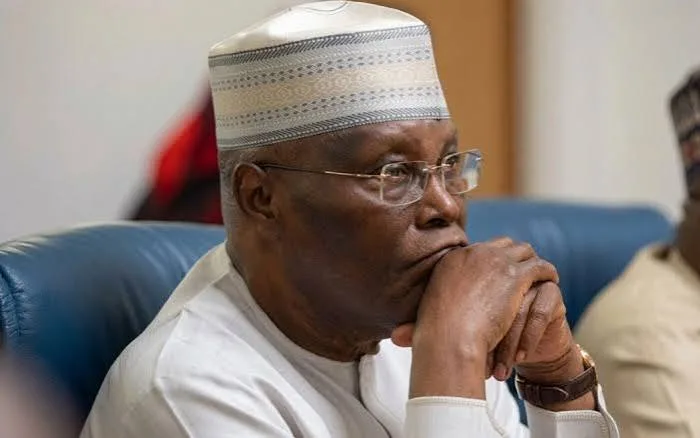
Former Vice-President Atiku Abubakar has accused President Bola Tinubu’s administration of using its newly announced 90-day cost-of-living relief plan to attract voters ahead of the 2027 presidential election, challenging the government to explain how it intends to reduce food prices, harmonize taxes and deliver lasting support to struggling households.
Atiku, the African Democratic Congress (ADC) presidential candidate, made his position known through Phrank Shaibu, Director of Strategic Communication of the ADC Presidential Campaign Council, during a press conference at the party’s secretariat in Abuja on Friday, October 23. He described the initiative as “election bait”, arguing that its timing raised questions about whether Nigerians would experience meaningful relief before going to the polls.
The criticism followed the National Economic Council’s (NEC) endorsement on October 22 of a 90-day economic action plan proposed by the Federal Ministry of Finance. The council, chaired by Vice-President Kashim Shettima, said the initiative was designed to translate the administration’s economic reforms into tangible improvements in living conditions.
According to the government’s announcement, the plan has five priority areas: improving food affordability, harmonizing taxes, completing high-impact infrastructure projects, resolving investment bottlenecks and providing regulated household support. NEC also approved the establishment of a national dashboard to monitor projects across the country and improve accountability in the use of funds, including proceeds from the removal of the petrol subsidy.
Atiku, however, questioned why the government was announcing a time-bound relief initiative so close to the election. The Independent National Electoral Commission’s current election calendar lists January 16, 2027, for the presidential and National Assembly elections, meaning the 90-day period announced by the council would extend beyond polling day if counted from the October 22 endorsement.
“The arithmetic is plain: the plan ends after Nigerians have voted,” Shaibu said, conveying Atiku’s criticism. He argued that families facing years of rising living costs should judge the administration by the economic conditions they have experienced since Tinubu took office in May 2023, rather than by fresh commitments made ahead of the election.
The former vice-president also linked the cost-of-living crisis to the removal of the petrol subsidy, arguing that the effects on transportation, food distribution and production costs were foreseeable and that adequate protection for vulnerable households should have accompanied the policy. He maintained that the government had imposed the immediate burden of its reforms on citizens while asking them to wait for the anticipated benefits.
Beyond the timing of the new plan, Atiku demanded specific details of how the proposed interventions would work. On food affordability, he asked the government to identify the costs it intended to reduce for farmers, transporters and traders, explain when consumers could expect lower market prices, and outline how any improvements would be sustained after the 90-day period.
He also challenged the administration to clarify what tax harmonization would mean for individuals and businesses, including which levies would be removed or consolidated. He called for a comprehensive schedule of the proposed changes, arguing that Nigerians needed to understand whether the promised relief would translate into lower charges or be followed by additional financial burdens.
On infrastructure, Atiku asked the government to identify the projects scheduled for completion within the 90-day window, disclose their outstanding costs and provide expected dates for public use. He also sought details of the investment bottlenecks targeted by the plan, pointing to the importance of electricity, access to affordable financing and transportation costs for manufacturers and other businesses.
The proposed household-support component also came under scrutiny. Atiku demanded clarification on who would qualify for assistance, how much beneficiaries would receive, how the programme would be funded and when payments would begin. He further questioned what arrangements would remain in place once the 90 days had elapsed.
The criticism extended to the Nigerian National Petroleum Company Limited’s petrol discount promotion, introduced on October 1 as part of efforts to ease fuel costs. Shaibu said he had visited NNPC retail outlets and was told that no discount was available, adding that he bought petrol at ₦1,405 per litre. His account was presented as a personal experience and was not independently established as representative of the promotion across the company’s network.
He challenged NNPC to disclose how many motorists had benefited, which stations participated and how many litres of petrol were sold at the discounted rate. He also questioned whether a reported ₦66-per-litre reduction, limited to the company’s retail network, could provide substantial relief to motorists across a country with thousands of fuel outlets.
The ADC campaign argued that the effectiveness of economic interventions should be judged by their impact on household budgets rather than by announcements or implementation deadlines. Atiku said his alternative economic approach would prioritise disciplined public spending, targeted assistance for vulnerable households and measures to reduce the cost of producing and transporting essential goods.
The Federal Government’s stated position is that the new plan is intended to build on its ongoing economic reforms and translate them into practical benefits. At the NEC meeting, Shettima urged state governors and relevant institutions to focus on outcomes such as affordable transportation, employment opportunities, improved healthcare and greater financial security. The government’s published announcement, however, did not provide a detailed breakdown of household payment amounts, individual eligibility rules or specific food-price reduction targets.
The dispute places the implementation of economic relief alongside the competing political messages emerging ahead of the 2027 election. For households contending with food, transport and other essential expenses, the key test will be whether the announced measures produce measurable improvements in affordability and whether those benefits can be sustained beyond the initial 90-day period.
More on Politics
Politics
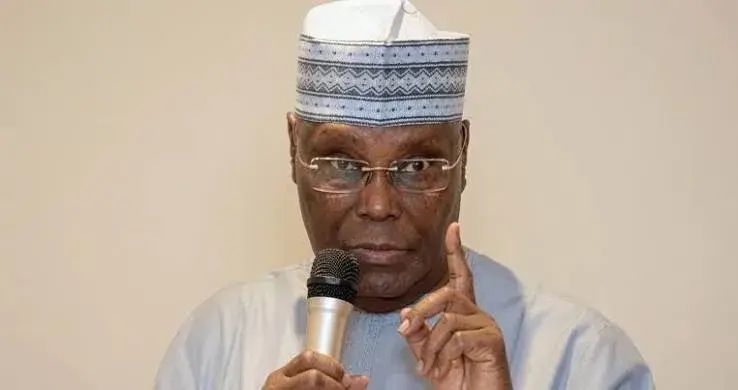
2027 Elections: Atiku Demands Access to Nigeria’s 103m Voters
23 Oct 2026
Politics
Atiku Urges Nigerians to Collect PVCs, Pledges Economic Relief if Elected
15 Oct 2026
Politics
Atiku Challenges Tinubu on 30 Day Petrol Discount, Demands Answers on Day 31 Plan
10 Oct 2026
Politics
Atiku Slams Tinubu’s 30-Day Fuel Discount as a ‘Publicity Stunt’
9 Oct 2026

Politics
Vance Declines to Endorse Netanyahu Ahead of Israeli Election
21 Oct 2026
Partner with Follow Global Trends
Display banners, sponsored stories and founder spotlights.
You may also like
Politics
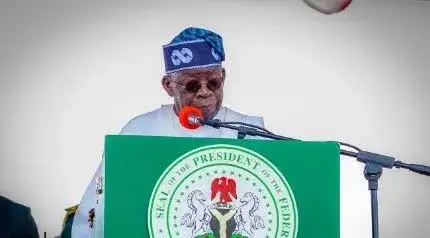
Tinubu Says He Won’t Tour Every Campaign Ground, Cites Governance Duties
15 Oct 2026

Politics
Peter Obi Pushes Production-Driven Economy at ECFR Roundtable in Paris
20 Oct 2026
Politics
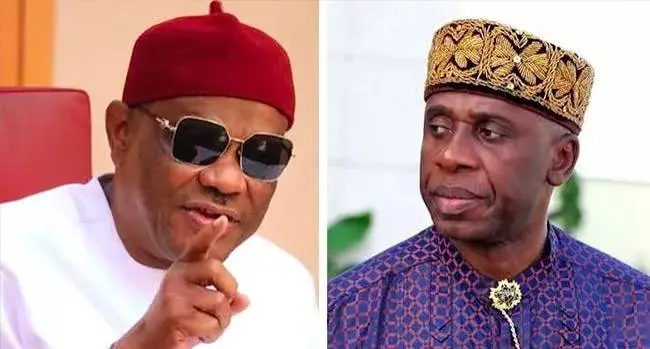
Wike-Amaechi Rivalry Escalates as FCT Minister Demands Answers on Rivers Projects
4 Oct 2026
Politics
Wike to Tinubu’s Campaign Council : Don’t Claim Victory Without Delivering Your States
15 Oct 2026
Politics
“I Respect Peter Obi,” Shettima Declares at APC Campaign Council Inauguration
14 Oct 2026
Politics
Kwankwaso Says NDC Will Reintroduce Fuel Subsidy if Obi Wins 2027 Election
23 Sept 2026