
Wike-Amaechi Rivalry Escalates as FCT Minister Demands Answers on Rivers Projects
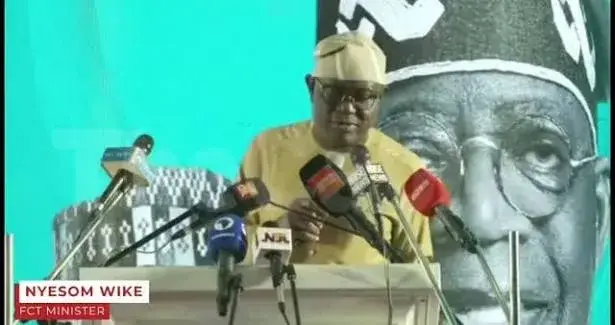
FCT Minister Nyesom Wike has renewed his attack on former Rivers governor Rotimi Amaechi, demanding answers over major projects and spending from his tenure.
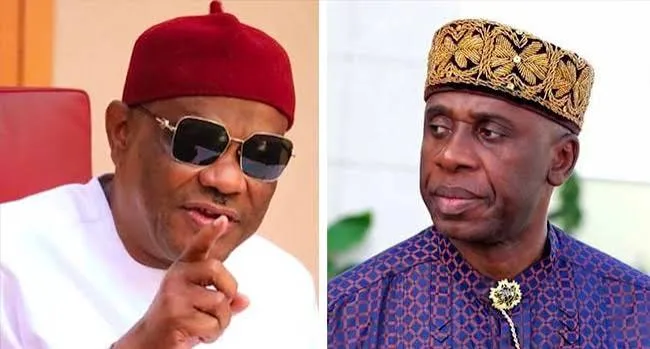
The political battle between Federal Capital Territory Minister Nyesom Wike and former Rivers State governor Rotimi Amaechi has intensified, with Wike challenging his former political ally to explain what happened to billions of naira and millions of dollars committed to projects during Amaechi’s eight-year tenure as governor.
Wike made the challenge on Saturday while addressing the Uzugbani Ekpeye National Executive Council and political stakeholders from Ahoada East and Ahoada West at Ekpeye House in Ahoada, Rivers State. His remarks came a day after Amaechi appeared on Channels Television’s Politics Today, where the former governor criticised the Federal Government’s record and questioned its delivery of major projects.
Rather than respond directly to Amaechi’s assessment of the current administration, Wike turned the spotlight back on his former principal, raising questions over three projects associated with Amaechi’s tenure: the Justice Adolphus Karibi-Whyte Specialist Hospital, the Rivers State monorail and a malaria-control programme carried out with Cuban partners.
At the centre of Wike’s criticism is the specialist hospital. He said about $39.2 million was paid to a contractor for the proposed facility, but the hospital was never completed. Wike asked Amaechi to account for what became of the money and the project.
The dispute over that payment is not new. A judicial commission of inquiry established by the Rivers State Government during Wike’s tenure as governor previously examined the reported payment to the contractor and the failure of the project to materialize. Contemporary reporting from 2015 records the Wike administration's claim that the state had paid $39.2 million for the hospital but that construction did not proceed. Amaechi, however, rejected the commission at the time, describing the probe as politically motivated.
Wike also questioned the fate of the Rivers State monorail, one of the flagship infrastructure projects launched under Amaechi. He put the reported cost at approximately N68 billion and challenged the former governor to explain the project's outcome and the expenditure associated with it. The monorail has remained a politically sensitive symbol of the unfinished infrastructure projects from the period.
The third issue was a malaria-control and fumigation programme involving Cuban personnel. Wike alleged that about $10 million was spent on the initiative and sarcastically questioned whether the programme had achieved its objective of controlling mosquitoes in Rivers State. His reference to the programme was part of a wider argument that projects should be judged by measurable results rather than the amount of money reportedly committed to them.
The figures and characterisations surrounding the projects should, however, be treated as claims made by Wike unless independently established through the relevant government records, contracts, audits or judicial findings. In particular, Wike's description of the malaria initiative as a “scam” is his political characterization, not an established judicial finding presented in the latest reports.
The renewed confrontation is unfolding against the background of a much larger political realignment in Rivers State. Amaechi, who served as governor from 2007 to 2015 before becoming federal transport minister, is now a leading figure in the African Democratic Congress (ADC) and has emerged as one of the opposition politicians positioning himself ahead of the 2027 elections. Wike, meanwhile, remains a senior figure in President Bola Tinubu's administration despite his longstanding political rivalry with Amaechi.
Their relationship has changed dramatically over the years. Wike served as Amaechi's chief of staff before becoming governor himself, but the two eventually became political opponents. Wike used Saturday's address to remind his audience that Amaechi had spent eight years as Speaker of the Rivers State House of Assembly, eight years as governor and another eight years as transport minister, arguing that such a lengthy record should invite scrutiny of what was actually delivered.
The minister also challenged Amaechi's political record in Rivers, asking supporters to identify an election the former governor had won in the state since their political relationship broke down in 2011. That line of attack shows that Wike's criticism is not limited to questions about infrastructure spending; it is also part of an emerging contest over political influence and credibility ahead of the next general election.
Wike's remarks also extended into a separate controversy surrounding Amaechi's recent comments about his late mother. Amaechi has said that economic policies introduced under the Tinubu administration made medicines more expensive and contributed to difficulties in treating his mother before her death. Wike strongly rejected that argument and criticized Amaechi for bringing his mother's death into political debate. Amaechi's mother, Mary Amaechi, died in July 2026 and was buried in September.
There was no substantive response from Amaechi to Wike's latest project-specific demands in the reports reviewed for this story. His earlier opposition to the Rivers judicial inquiry over the hospital payment provides important context, but it does not by itself resolve the current questions over the projects or the expenditure figures cited by Wike.
The renewed clash matters because it puts Rivers State's past development record directly into the emerging 2027 political conversation. Questions over unfinished infrastructure, public expenditure and accountability are legitimate issues for voters and public institutions to examine, but they require documentary evidence and responses from all sides rather than political accusations alone. As Wike and Amaechi move deeper into another phase of their long-running rivalry, the real test will be whether the dispute produces verifiable answers about public money and completed projects, or remains another chapter in Rivers State's increasingly intense political contest.
More on Politics
Politics
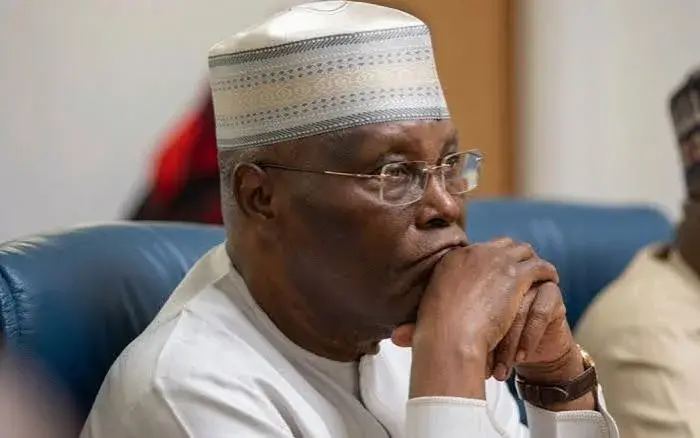
Atiku Calls Tinubu’s 90-Day Relief Plan ‘Election Bait’, Demands Answers
24 Oct 2026
Politics
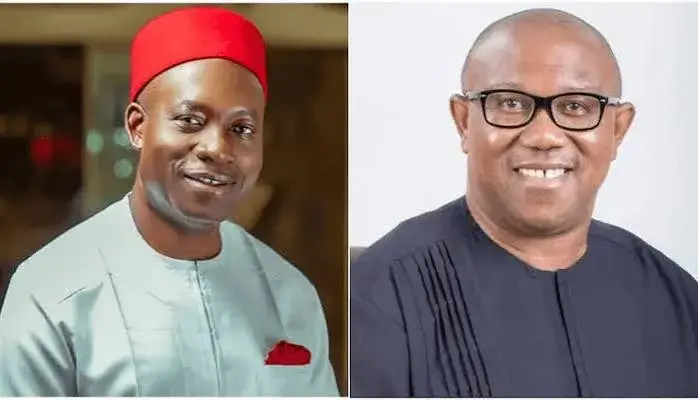
Anambra Escalates Peter Obi Fight, Tells APGA Supporters to Resist NDC
5 Oct 2026
Politics
Atiku Challenges Tinubu on 30 Day Petrol Discount, Demands Answers on Day 31 Plan
10 Oct 2026
Politics
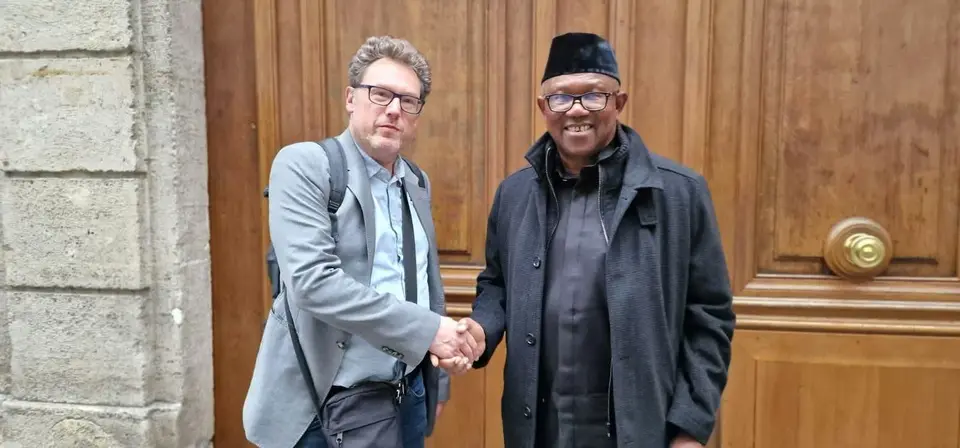
Peter Obi Pushes Production-Driven Economy at ECFR Roundtable in Paris
20 Oct 2026
Politics
Wike to Tinubu’s Campaign Council : Don’t Claim Victory Without Delivering Your States
15 Oct 2026
Partner with Follow Global Trends
Display banners, sponsored stories and founder spotlights.
You may also like
Politics
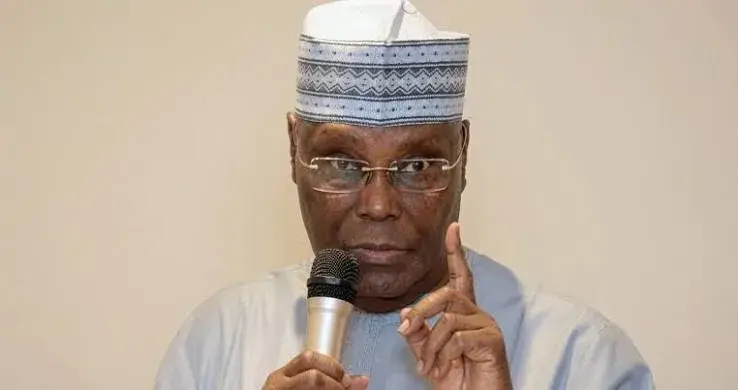
2027 Elections: Atiku Demands Access to Nigeria’s 103m Voters
23 Oct 2026
Politics
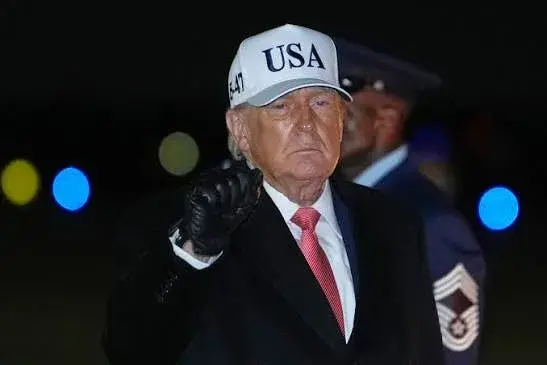
Trump Approval Rating Hits New Low Ahead of US Midterm Elections
22 Oct 2026
Politics
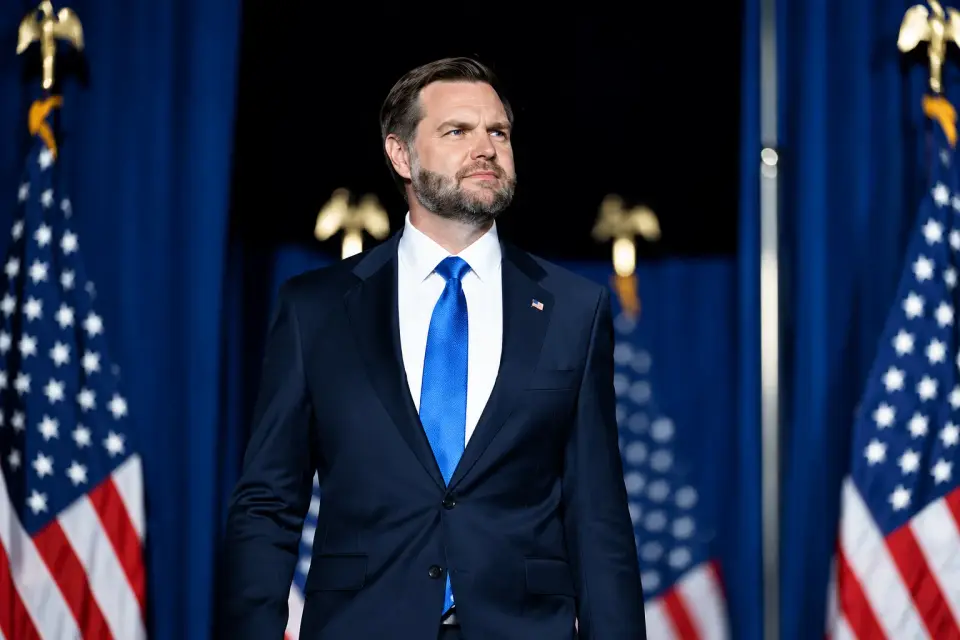
Vance Declines to Endorse Netanyahu Ahead of Israeli Election
21 Oct 2026
Politics
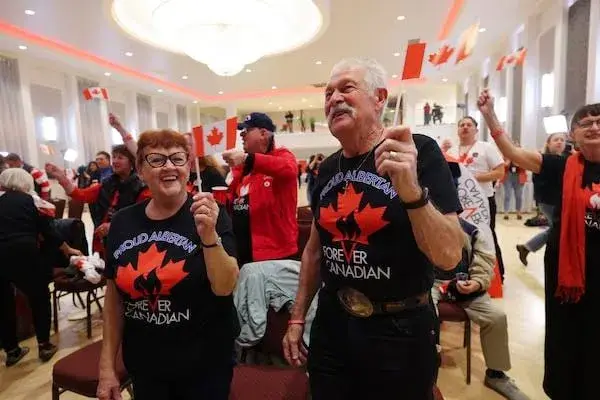
Oil-Rich Alberta Votes to Remain Part of Canada in Key Referendum
20 Oct 2026
Politics
Obi’s Media Office Faults Shettima Over ‘Diminished’ Remark
19 Oct 2026
Politics
Atiku Urges Nigerians to Collect PVCs, Pledges Economic Relief if Elected
15 Oct 2026