
Trump Approval Rating Hits New Low Ahead of US Midterm Elections
US President Donald Trump’s approval rating has fallen to a new low in major national polls less than two weeks before the November 3 midterm elections, with voter concerns about living costs, the economy and the war with Iran weighing on Republicans’ prospects.
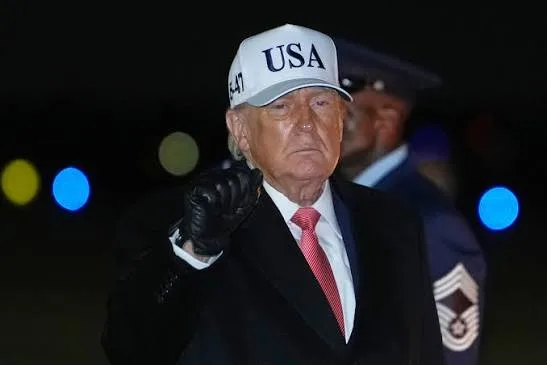
US President Donald Trump is facing fresh political pressure ahead of the November 3 midterm elections after new national polls recorded some of the lowest approval ratings of his presidency and showed Democrats leading in the contest for control of Congress.
A New York Times and Siena University survey of 3,494 likely voters, conducted from October 12 to 19, found that 36 per cent approved of Trump’s performance, while 59 per cent disapproved. The approval figure was the lowest recorded in the poll’s tracking of his presidency, according to the report published on October 21.
The result follows other surveys showing similarly weak public support for the president, although the precise figures vary by pollster and the group surveyed. A Reuters/Ipsos poll reported on October 19 put Trump’s approval at 31 per cent, the lowest level recorded by that survey in either of his presidential terms. A separate Washington Post-ABC News-Ipsos poll published on October 18 found that 33 per cent of US adults approved of his performance, against 66 per cent who disapproved.
The polling points to economic anxiety as a major source of dissatisfaction. In the New York Times/Siena survey, 73 per cent of registered voters disapproved of Trump’s handling of gasoline prices, 69 per cent were unhappy with his handling of the cost of living, and 64 per cent disapproved of his management of the economy. About 65 per cent also disapproved of his handling of the war with Iran, according to the report.
The economic concerns are emerging as a central issue in the final stretch of campaigning. Trump returned to office after promising to address the cost of living, and sustained dissatisfaction over prices could complicate Republican efforts to persuade voters that the administration’s policies are improving household finances. The latest figures, however, measure public opinion at the time of the surveys and do not establish that any single policy or international development alone caused the decline.
The polls also indicate a potential advantage for Democrats in the congressional elections. In the New York Times/Siena survey, Democratic candidates led Republicans by 11 percentage points in voters’ stated preferences for their congressional districts. The Reuters/Ipsos poll found Democrats ahead by 12 points on a similar question among registered voters, with 47 per cent choosing Democrats and 35 per cent Republicans.
A separate Pew Research Center survey, conducted from September 28 to October 4 among 5,062 US adults, found Trump’s approval at 30 per cent, with 68 per cent disapproving. Pew also found that 44 per cent of voters viewed their vote as a way to oppose Trump, compared with 19 per cent who said their vote was in support of him. The findings suggest that the president’s standing is an important factor for many voters as they decide which party should control Congress.
The midterms will determine the balance of power in Washington for the remainder of Trump’s term. All 435 seats in the House of Representatives and roughly one-third of the Senate seats are due to be contested. A shift in control of either chamber could affect the administration’s ability to advance legislation and would give the party in the majority greater influence over congressional investigations and oversight.
Despite the polling headwinds, the results do not guarantee a Democratic victory. National surveys capture broad voter sentiment but cannot reliably predict every district or Senate race, where local candidates, campaign resources and turnout can influence the outcome. The Washington Post’s analysis also noted that Republicans retain substantial financial resources for advertising, while the balance in closely contested Senate races remains uncertain.
With Election Day approaching, Trump’s low approval ratings and Democrats’ lead in national congressional preferences place the Republican Party under pressure as it seeks to retain its congressional majorities. The eventual result will depend not only on the president’s popularity but also on whether dissatisfied voters turn out, how those views translate across individual races, and which party can convert its support into seats in Congress.
More on Politics
Politics
Trump Endorses Netanyahu Nine Days Before Israeli Elections
18 Oct 2026
Politics
Atiku Urges Nigerians to Collect PVCs, Pledges Economic Relief if Elected
15 Oct 2026

Politics
Vance Declines to Endorse Netanyahu Ahead of Israeli Election
21 Oct 2026

Politics
Brazil Suspends Sports Betting to Protect Election Integrity
28 Sept 2026

Politics
2027 Elections: 9.3 Million Young Nigerians Join The Register
2 Oct 2026
Partner with Follow Global Trends
Display banners, sponsored stories and founder spotlights.
You may also like

Politics
Peter Obi Pushes Production-Driven Economy at ECFR Roundtable in Paris
20 Oct 2026

Politics
Elon Musk Donates $276 Million to Boost Republicans Chances Ahead of US Midterms
13 Oct 2026

Politics
Enugu Govt, NDC Trade Blame After Airport Clash and Secretariat Shooting
12 Oct 2026
Politics
Atiku Slams Tinubu’s 30-Day Fuel Discount as a ‘Publicity Stunt’
9 Oct 2026

Politics
Brazil Election Shock: Flávio Bolsonaro Beats Lula in First Round
5 Oct 2026

Politics
Obi’s Media Office Faults Shettima Over ‘Diminished’ Remark
19 Oct 2026