
Oil-Rich Alberta Votes to Remain Part of Canada in Key Referendum
Voters in oil-rich Alberta have overwhelmingly backed remaining part of Canada, rejecting a proposal to begin the legal process for a future independence referendum amid renewed tensions between the province and Ottawa.
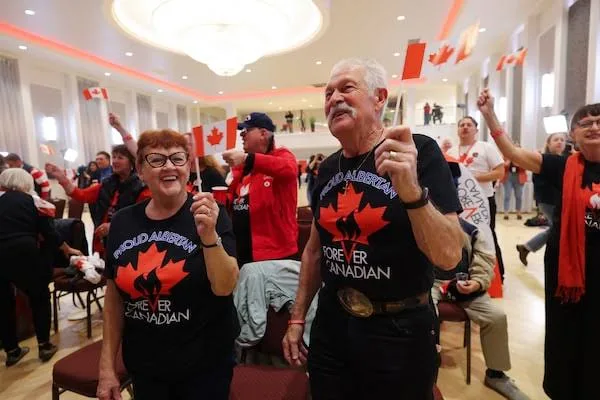
Voters in Alberta have rejected a proposal to begin the process of separating the Canadian province from the rest of the country, with preliminary results showing approximately 76 per cent backing continued membership of Canada in a referendum held on October 19.
The result is a significant setback for Alberta’s independence movement and a political boost for Prime Minister Mark Carney, who has been seeking to strengthen national unity amid disputes over energy policy, federal authority and relations with the United States.
The referendum did not ask Albertans to vote directly on independence. Instead, voters were asked whether the provincial government should begin the constitutional process required to hold a future binding referendum on separation, or whether Alberta should remain a province of Canada. Early results reported by Reuters, the Associated Press and other news organisations showed roughly 76 per cent supporting the status quo and 23 per cent favouring the next steps towards a possible independence vote.
The ballot was part of a wider provincial referendum that included questions on other political and constitutional issues. Elections Alberta said the official announcement of the results was scheduled for October 29, meaning the figures available on Tuesday remained preliminary.
Alberta Premier Danielle Smith, who has opposed separation while facing pressure from independence supporters within her governing United Conservative Party, welcomed the outcome. The vote had placed her in a difficult political position, requiring her government to accommodate demands for a public decision on independence without endorsing the province’s departure from Canada.
Carney, who grew up in Edmonton, Alberta’s capital, had urged residents to remain within Canada. His government has sought to address some of the province’s longstanding complaints, including disagreements over federal environmental rules and the development and export of Alberta’s oil and gas resources.
The referendum took place against a backdrop of heightened tensions between Ottawa and the United States under President Donald Trump, whose trade policies and repeated suggestions about Canada becoming the 51st US state have intensified concerns about the country’s economic and political future. Carney has argued that a united Canada is better placed to withstand external pressure, while supporters of Alberta independence say the province should exercise greater control over its economy and natural resources.
Alberta is one of Canada’s most important energy-producing regions, with a large oil and gas industry that contributes substantially to provincial revenues, employment and national exports. However, disagreements over pipelines, climate policy, taxation and the distribution of federal resources have fuelled resentment among some Albertans, particularly those who believe Ottawa’s decisions disadvantage the province.
The independence movement has gained visibility in recent years, drawing support from people dissatisfied with federal policies and those who believe Alberta should have greater constitutional autonomy. Separatist campaigners have argued that a referendum would give residents a direct say over the province’s future relationship with the federal government. Even before the vote, some leaders of the movement said their campaign would continue regardless of the outcome.
The result reflects a clear preference among participating voters for keeping Alberta within Canada, but it does not resolve the political disagreements that helped bring the question to the ballot. The referendum was also non-binding, and the question concerned whether to initiate a process towards a future vote rather than whether Alberta should immediately become an independent country.
Any attempt to separate Alberta would face substantial constitutional, legal and economic questions, including negotiations with the federal government and other provinces, the future of public finances, trade arrangements, energy infrastructure and the rights of Indigenous peoples whose treaties were made with the Crown. Those issues would require attention beyond a single provincial ballot.
For Carney’s government, the result offers evidence that the independence movement has not secured majority support for taking the next formal step towards separation. For Alberta, however, the vote leaves the underlying debate over provincial autonomy, energy development and federal decision-making in place, making relations between Edmonton and Ottawa an important part of Canada’s political landscape.
More on Politics

Politics
Anambra Escalates Peter Obi Fight, Tells APGA Supporters to Resist NDC
5 Oct 2026
Politics
Brazil Votes in Pivotal Election as Lula and Bolsonaro Rival Vie for Presidency
4 Oct 2026
Politics
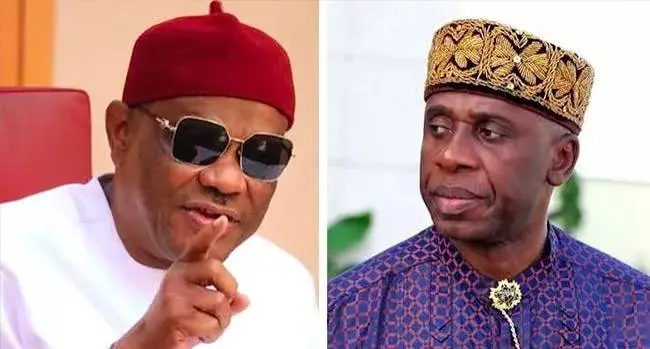
Wike-Amaechi Rivalry Escalates as FCT Minister Demands Answers on Rivers Projects
4 Oct 2026
Politics
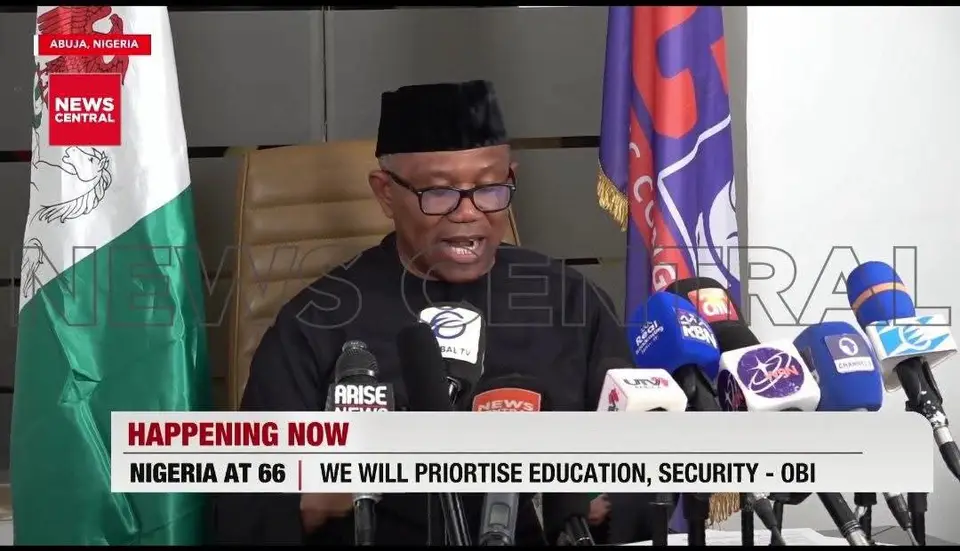
Nigeria at 66: Peter Obi Calls for Leadership Reset, Jobs and Security
1 Oct 2026

Politics
Wike: We Allowed Peter Obi to Win South-South to Reduce Atiku’s Votes
22 Sept 2026
Partner with Follow Global Trends
Display banners, sponsored stories and founder spotlights.
You may also like

Politics
Peter Obi Pushes Production-Driven Economy at ECFR Roundtable in Paris
20 Oct 2026
Politics
Obi’s Media Office Faults Shettima Over ‘Diminished’ Remark
19 Oct 2026
Politics
Trump Endorses Netanyahu Nine Days Before Israeli Elections
18 Oct 2026

Politics
Ukraine Ends Energy Truce With Russia, Seeks Patriot Missiles From US
16 Oct 2026
Politics
Atiku Urges Nigerians to Collect PVCs, Pledges Economic Relief if Elected
15 Oct 2026
Politics
Tinubu Says He Won’t Tour Every Campaign Ground, Cites Governance Duties
15 Oct 2026