
2027 Elections: 9.3 Million Young Nigerians Join The Register
INEC says more than 9.3 million young Nigerians joined the voter register during the 2026 registration exercise ahead of the 2027 elections.
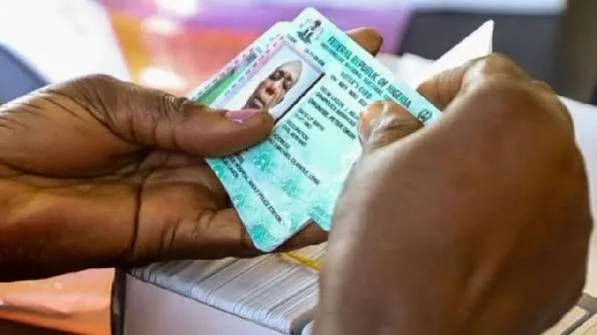
More than 9.3 million young Nigerians have newly registered to vote in the 2026 Continuous Voter Registration exercise, according to the Independent National Electoral Commission (INEC), adding a large new group of potential voters to the register ahead of the 2027 general elections.
INEC Chairman, Professor Joash Amupitan, disclosed the figure on September 30 at the investiture of nine returning and newly appointed INEC Youth Ambassadors in Abuja. He was represented at the event by National Commissioner Professor Rhoda Gumus. INEC said 9,324,349 young Nigerians completed fresh registration during the exercise.
The youth figure forms part of 10,772,421 new registrations recorded across the three phases of the 2026 CVR. INEC has stressed that the wider registration figure is still subject to verification through its Automated Biometric Identification System (ABIS), meaning the final validated register could differ after duplicate or otherwise ineligible records are removed.
The three-phase exercise ran from August 2025 through July 2026. INEC recorded 2,611,266 registrations in the first phase, 4,121,835 in the second and 3,867,997 in the third, bringing the cumulative figure to more than 10.7 million. The final phase also introduced an online registration portal intended to make access easier for eligible Nigerians.
The scale of youth registration is significant because young Nigerians already make up a substantial share of the country's electorate. INEC's official report on the 2023 general elections recorded 37,060,399 registered voters aged 18 to 34, representing 39.65 per cent of the 93.47 million voters on the register at the time.
The 2023 election cycle also demonstrated the strong interest of younger Nigerians in voter registration. The European Union Election Observation Mission reported that people aged 18 to 34 accounted for 76.6 per cent of new registrants during the registration exercise preceding that election. The large number of young Nigerians registering again in the latest exercise therefore adds to an already substantial youth presence on the electoral roll.
INEC is attempting to convert that registration interest into sustained participation through its Youth Ambassador initiative. The commission said the nine ambassadors are expected to help strengthen its engagement with young Nigerians and make electoral information more accessible through trusted voices and youth networks. Amupitan said active youth participation was important to strengthening democracy and public confidence in the electoral process.
But registration alone does not guarantee participation on election day. INEC itself has identified voter apathy, declining public trust and misinformation and disinformation as significant challenges ahead of the 2027 elections. The commission has also acknowledged the importance of ensuring that newly registered voters can actually obtain their voting credentials and are not lost to administrative or logistical problems.
That issue is already moving into the next stage. INEC has announced that nationwide collection of newly issued Permanent Voter Cards will begin on October 9, 2026, while instructing its officials to address distribution problems, particularly at the local-government level. The commission has said the success of the registration exercise will ultimately depend on whether eligible citizens can complete the process and participate without unnecessary barriers.
The new registrations come as INEC prepares for a 2027 election cycle that will require nationwide coordination across the 36 states and the Federal Capital Territory. The commission says its national voter register is approaching the 100-million mark, although the final size will depend on the completion of biometric checks and the cleaning of the register.
The 9.3 million young registrants therefore represent both a demographic development and an operational challenge for Nigeria's electoral system. Their registration expands the pool of younger citizens eligible to participate, but its democratic significance will ultimately depend on what happens next: whether the records are successfully validated, cards are collected, voters receive reliable information and registered citizens turn out to cast their ballots. As Nigeria moves toward 2027, the size of the youth register will be an important part of the electoral picture, but participation and confidence will determine how much that registration translates into actual votes.
More on Politics

Politics
2027 Elections: Atiku Demands Access to Nigeria’s 103m Voters
23 Oct 2026
Politics
Atiku Urges Nigerians to Collect PVCs, Pledges Economic Relief if Elected
15 Oct 2026

Politics
Trump Approval Rating Hits New Low Ahead of US Midterm Elections
22 Oct 2026

Politics
Elon Musk Donates $276 Million to Boost Republicans Chances Ahead of US Midterms
13 Oct 2026

Politics
Elon Musk Sets US Political Donation Record With $446 Million
25 Oct 2026
Partner with Follow Global Trends
Display banners, sponsored stories and founder spotlights.
You may also like

Politics
Enugu Govt, NDC Trade Blame After Airport Clash and Secretariat Shooting
12 Oct 2026

Politics
Brazil Suspends Sports Betting to Protect Election Integrity
28 Sept 2026

Politics
Atiku Calls Tinubu’s 90-Day Relief Plan ‘Election Bait’, Demands Answers
24 Oct 2026

Politics
Vance Declines to Endorse Netanyahu Ahead of Israeli Election
21 Oct 2026

Politics
Peter Obi Pushes Production-Driven Economy at ECFR Roundtable in Paris
20 Oct 2026
Politics
Wike, Soludo, Adeleke Join APC Campaign Council Despite Belonging to Other Parties
13 Oct 2026