
Elon Musk Donates $276 Million to Boost Republicans Chances Ahead of US Midterms
The tech billionaire has directed more than $276 million to Republican-aligned groups since July, making him the biggest known individual donor in the 2026 US midterm election cycl
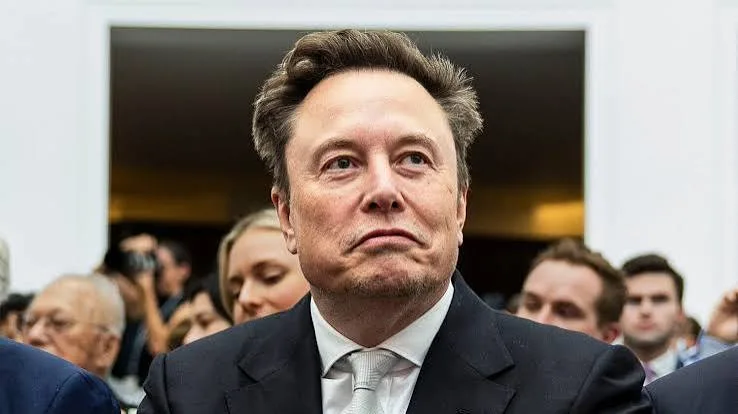
Elon Musk has channelled more than $276 million into Republican political groups since July, giving the party a major financial boost as it fights to retain control of the US Congress in November’s midterm elections.
The contributions form part of approximately $366 million Musk has spent on US politics during the 2025–2026 election cycle, according to campaign finance reporting by Reuters and the Associated Press. A spokesperson for Musk’s America PAC confirmed the figures, which place the billionaire among the most influential financial backers in this year’s congressional contests.
The largest single contribution was $158 million to the Senate Leadership Fund, a super political action committee that supports Republican Senate candidates. Musk also directed $76 million to America PAC, his own political organization, and $20 million to the Congressional Leadership Fund, which backs Republican candidates for the House of Representatives.
Other contributions included $10 million to Lone Star Liberty PAC, which supports Texas Republican Senate candidate Ken Paxton, and $10 million to the Republican Governors Association. The funding is intended to help Republicans mobilize voters and compete in closely contested races as they seek to defend their congressional majorities.
Musk’s spending is particularly significant because control of Congress will shape the second half of President Donald Trump’s term. Republicans are seeking to retain their influence over legislation and congressional oversight, while Democrats are trying to regain ground in both chambers. A change in control could affect the administration’s legislative agenda and increase scrutiny of its decisions.
The scale of the donations marks a return to high-profile political spending for Musk, who said last year that he intended to reduce his involvement in politics after a public falling-out with Trump. The two have since reconciled and appeared together at public events, including an October 8 ceremony at which Trump presented Musk with the National Medal of Science.
Musk became a major political force during the 2024 presidential election, spending heavily through America PAC to support Trump’s campaign. His latest contributions show that, despite his earlier promise to pull back, he remains willing to commit substantial resources to races that could determine the balance of power in Washington.
His political involvement also intersects with his business interests. Musk leads SpaceX and Tesla, companies affected by federal policy, government contracts and regulatory decisions. Democrats in Congress have called for greater scrutiny of Musk’s government-related activities, including his former role in the Department of Government Efficiency under Trump. The donations do not, by themselves, establish that Musk is seeking to influence any particular investigation or policy decision, but they add to debate about the political influence available to wealthy donors.
The contributions have drawn criticism from Democrats, who argue that billionaires should not have such an outsized role in determining the resources available to political campaigns. Musk’s supporters, meanwhile, can point to the legal role of political donations and independent expenditure groups in US elections. Super PACs can raise and spend large sums to support or oppose candidates, provided they operate within campaign finance rules, including restrictions on coordinating their spending with candidates’ campaigns.
The money also arrives against a difficult political backdrop for Republicans, who face voter concerns over the cost of living, the president’s performance and the war with Iran, according to recent reporting. A large campaign budget can pay for advertising, voter outreach and turnout operations, but it does not guarantee that voters will support the candidates receiving the money.
Musk’s donations underline how concentrated private wealth has become a major force in American electoral politics. His funding can help determine which candidates reach voters and how aggressively campaigns compete, but the outcome still rests with the electorate. As the November midterms approach, the central question is not simply how much money one billionaire can deploy, but how that financial advantage interacts with public opinion, candidate quality and the issues voters consider most important.
More on Politics

Politics
2027 Elections: 9.3 Million Young Nigerians Join The Register
2 Oct 2026
Politics
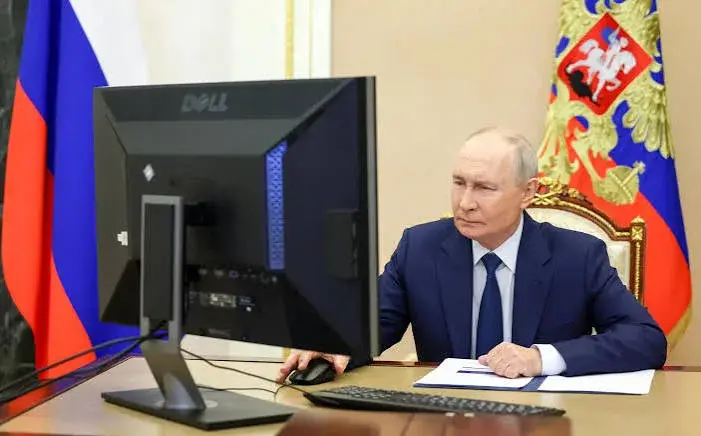
Russia Begins Three-Day Parliamentary Election as Putin Seeks Wartime Mandate
19 Sept 2026
Politics
Brazil Votes in Pivotal Election as Lula and Bolsonaro Rival Vie for Presidency
4 Oct 2026
Politics
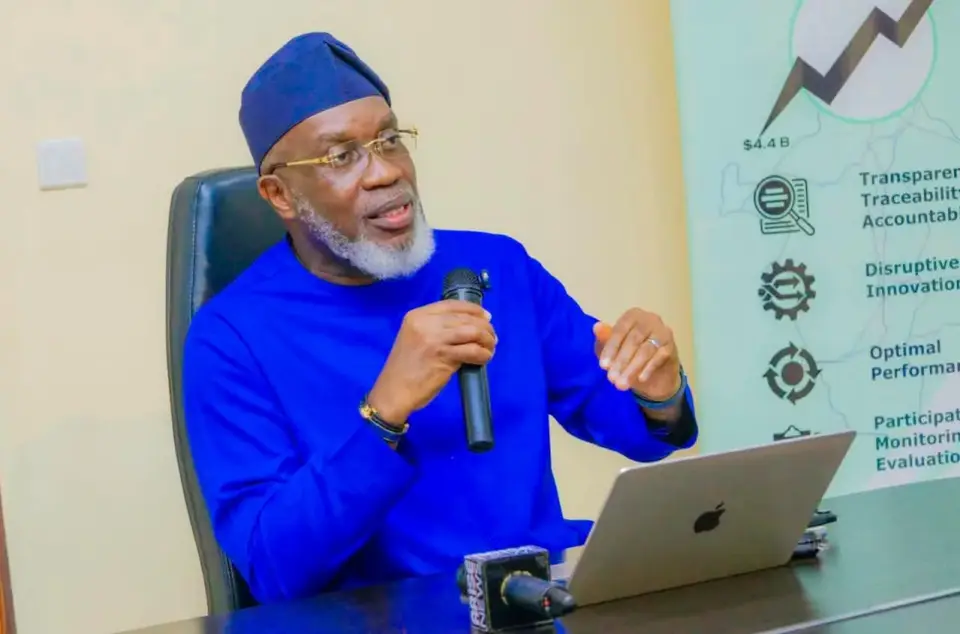
Enugu Govt, NDC Trade Blame After Airport Clash and Secretariat Shooting
12 Oct 2026
Politics
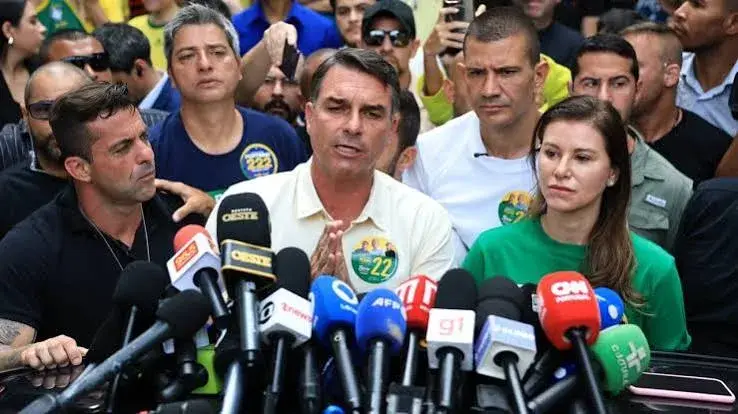
Brazil Election Shock: Flávio Bolsonaro Beats Lula in First Round
5 Oct 2026
You may also like
Politics
Brazil Suspends Sports Betting to Protect Election Integrity
28 Sept 2026
Politics
Brazil Cuts Fuel Taxes as Lula Faces Crucial Presidential Runoff
13 Oct 2026
Politics
Kwankwaso Says NDC Will Reintroduce Fuel Subsidy if Obi Wins 2027 Election
23 Sept 2026
Politics
Ex-SGF Babachir Lawal Joins NDC, Endorses Obi–Kwankwaso Ticket
23 Sept 2026

Politics
Wike: We Allowed Peter Obi to Win South-South to Reduce Atiku’s Votes
22 Sept 2026
Politics
Netanyahu’s Party Tries to Stop US Group Helping Israelis Abroad Return to Vote
17 Sept 2026