Anyim: I Believe Presidency Will Go North After Tinubu’s Second Term, Then Return to South-East
Former Senate President Pius Anyim says Nigeria’s next power shift should eventually favour the South East after another northern presidency.
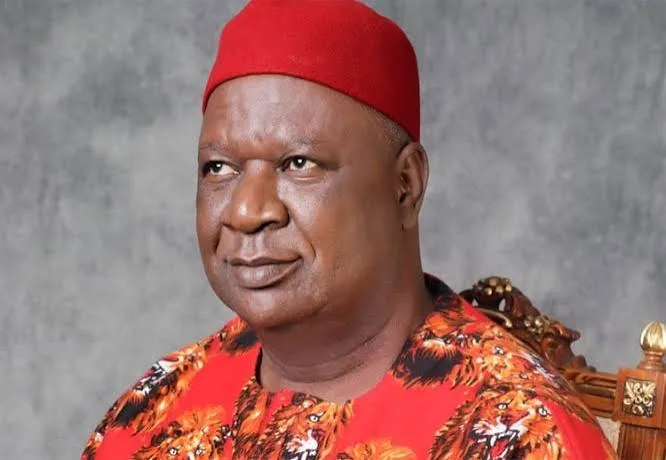
The National Grand Patron of the Renewed Hope for Greater Nigeria, former Secretary to the Government of the Federation and former Senate President, Senator Pius Anyim, has said he believes Nigeria’s presidency should move to the North after President Bola Ahmed Tinubu completes a possible second term before returning to the South East after another eight years. He made the remarks during an interview with ARISE News, reigniting the national conversation around rotational presidency and regional power sharing.
Speaking on the programme, Anyim argued that the sequence would be consistent with Nigeria’s long-established principle of political rotation, stressing that the South East must build genuine alliances across the country rather than pursue the presidency in isolation. “Certainly, the President has taken it from the Southwest and is entitled to a second term. After his second term, I believe in rotation, and it will go to the North. After the North, it will come down to the East after eight years. You need to support others so that they can support you,” he said.
Anyim’s comments come at a time when discussions about succession, zoning and national inclusion are becoming increasingly prominent ahead of the 2027 political season. While he presented the timeline as his personal conviction rather than a formal political agreement, his intervention carries weight given his long career in Nigeria’s democratic institutions.
President Tinubu, elected in 2023, is constitutionally eligible to seek one more four-year term in 2027. Anyim’s position therefore assumes the completion of a second Tinubu administration before another regional shift occurs, making it a reflection of his support for rotational succession rather than a prediction of any election result.
The principle of zoning has remained one of the defining features of Nigeria’s Fourth Republic. Although the 1999 Constitution does not mandate rotational presidency, major political parties have repeatedly adopted informal arrangements designed to distribute leadership across the country’s six geopolitical zones in the interest of stability and national balance.
For many stakeholders in the South East, the argument extends beyond politics to questions of representation. Supporters of a South East presidency maintain that the region remains the only major geopolitical zone yet to produce an elected president under the current democratic dispensation, while others insist that leadership should ultimately be determined by merit and electoral competitiveness rather than regional rotation alone.
Anyim did not announce any presidential ambition or suggest that his remarks reflected the official position of any political party. Instead, he urged politicians from the South East to deepen relationships across Nigeria, arguing that durable national partnerships are essential for any future presidential project.
As Nigeria gradually enters another cycle of political realignment, the debate over zoning continues to shape coalition-building as much as campaign rhetoric. Whether rotational presidency continues through party consensus or evolves through open electoral competition, the conversation remains central to the country’s ongoing search for unity, inclusion and democratic stability.
More on Politics
Politics
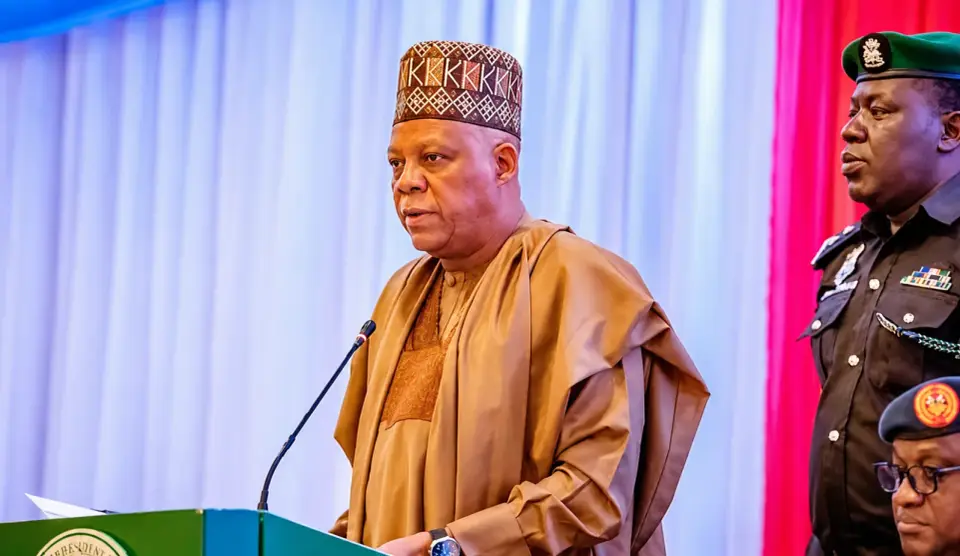
Shettima: Only Six Northern Governors Backed Tinubu in 2023 Election
17 Sept 2026
Politics
Atiku Slams Tinubu’s 30-Day Fuel Discount as a ‘Publicity Stunt’
9 Oct 2026
Politics
Atiku Challenges Tinubu on 30 Day Petrol Discount, Demands Answers on Day 31 Plan
10 Oct 2026
Politics
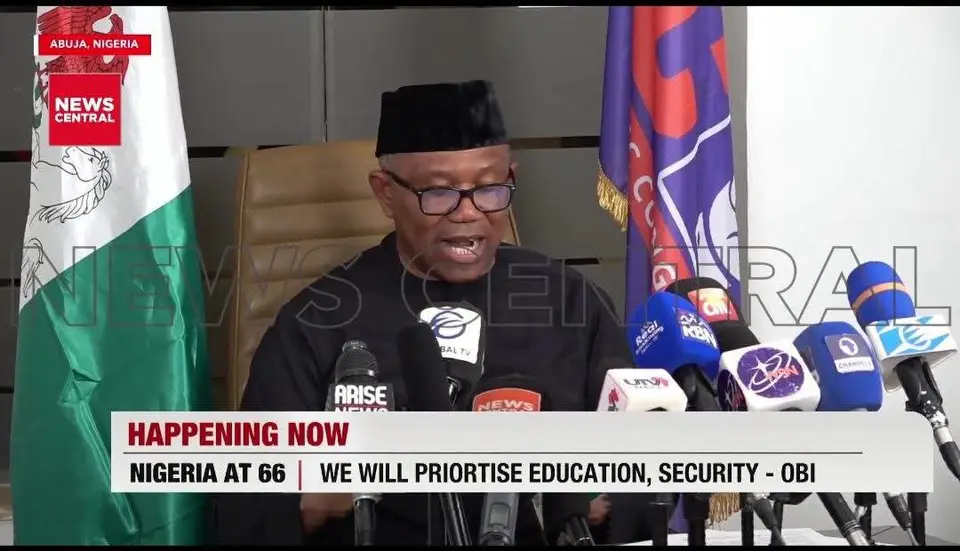
Nigeria at 66: Peter Obi Calls for Leadership Reset, Jobs and Security
1 Oct 2026
Politics
Ex-SGF Babachir Lawal Joins NDC, Endorses Obi–Kwankwaso Ticket
23 Sept 2026
Partner with Follow Global Trends
Display banners, sponsored stories and founder spotlights.
You may also like
Politics
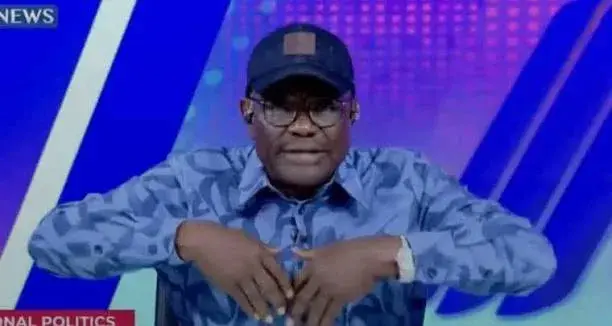
Wike: We Allowed Peter Obi to Win South-South to Reduce Atiku’s Votes
22 Sept 2026
Politics
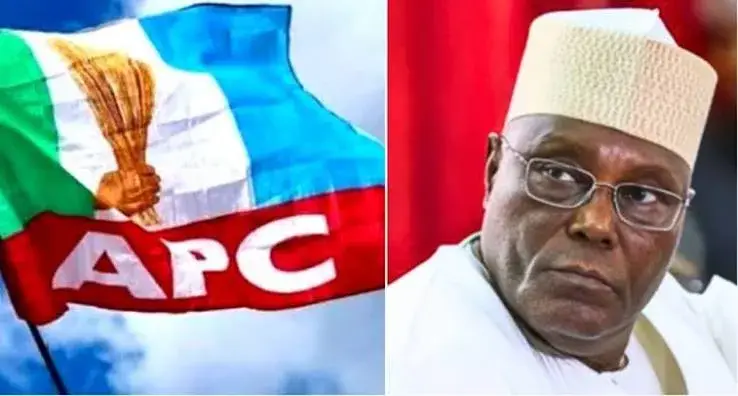
Mambilla Dispute: APC Questions Atiku’s 2027 Ambition Over ICC Arbitration
19 Sept 2026
Politics
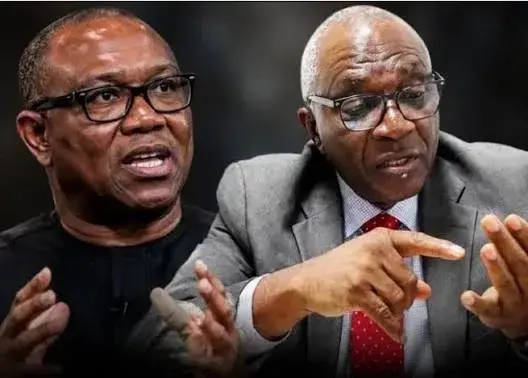
Presidency Dares Peter Obi to Quit 2027 Race Over Anambra Debt Controversy
17 Sept 2026
Politics
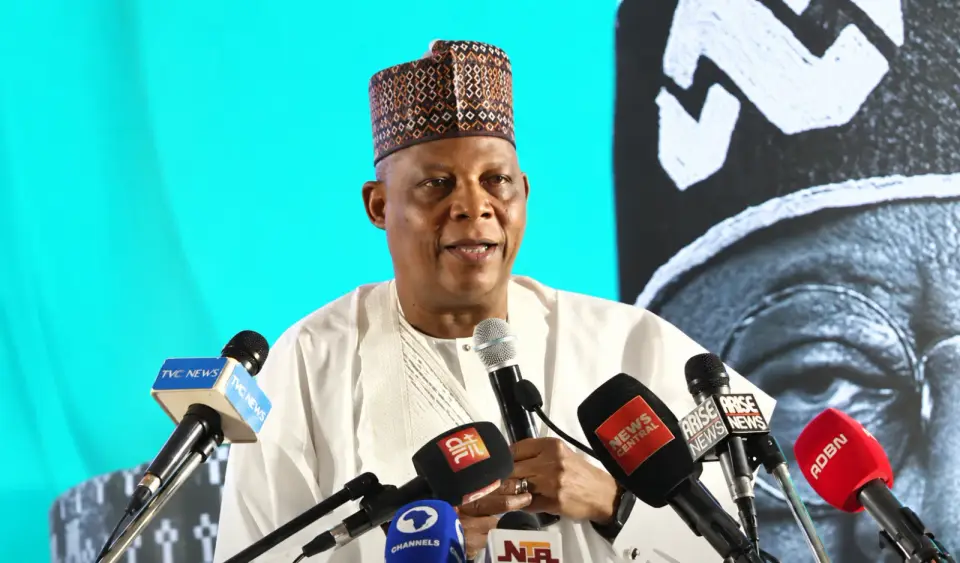
“I Respect Peter Obi,” Shettima Declares at APC Campaign Council Inauguration
14 Oct 2026
Politics
Brazil Cuts Fuel Taxes as Lula Faces Crucial Presidential Runoff
13 Oct 2026
Politics
Enugu Govt, NDC Trade Blame After Airport Clash and Secretariat Shooting
12 Oct 2026